Physical Therapy for Outdoor Athletes in Colorado
There is a particular kind of patient who is common here and rare almost everywhere else.
They ski forty days a season, ride bikes all summer, climb two nights a week, signed up for a 50K in June, and moved to Colorado specifically so they could do all of it. When something hurts, the question is never "how do I get comfortable again." It is "how do I not lose the season."
Generic rehab does not answer that question, because generic rehab is built around restoring normal daily function. For an outdoor athlete in Colorado, normal daily function is a floor, not a goal.
Here is how we think about this population.
What makes Colorado outdoor athletes different
Volume and variety. Most of our patients are not single-sport athletes. They ski, ride, climb, run, and lift, frequently in the same week. That is great for general athleticism and complicated for injury management, because the tissue never gets a true offseason. There is always something in season.
Compressed seasons. Ski season has an opening and a closing. When someone tweaks a knee in December, "rest for eight weeks and reassess" is functionally the same sentence as "your season is over." The rehab plan has to account for that, which usually means modifying rather than stopping.
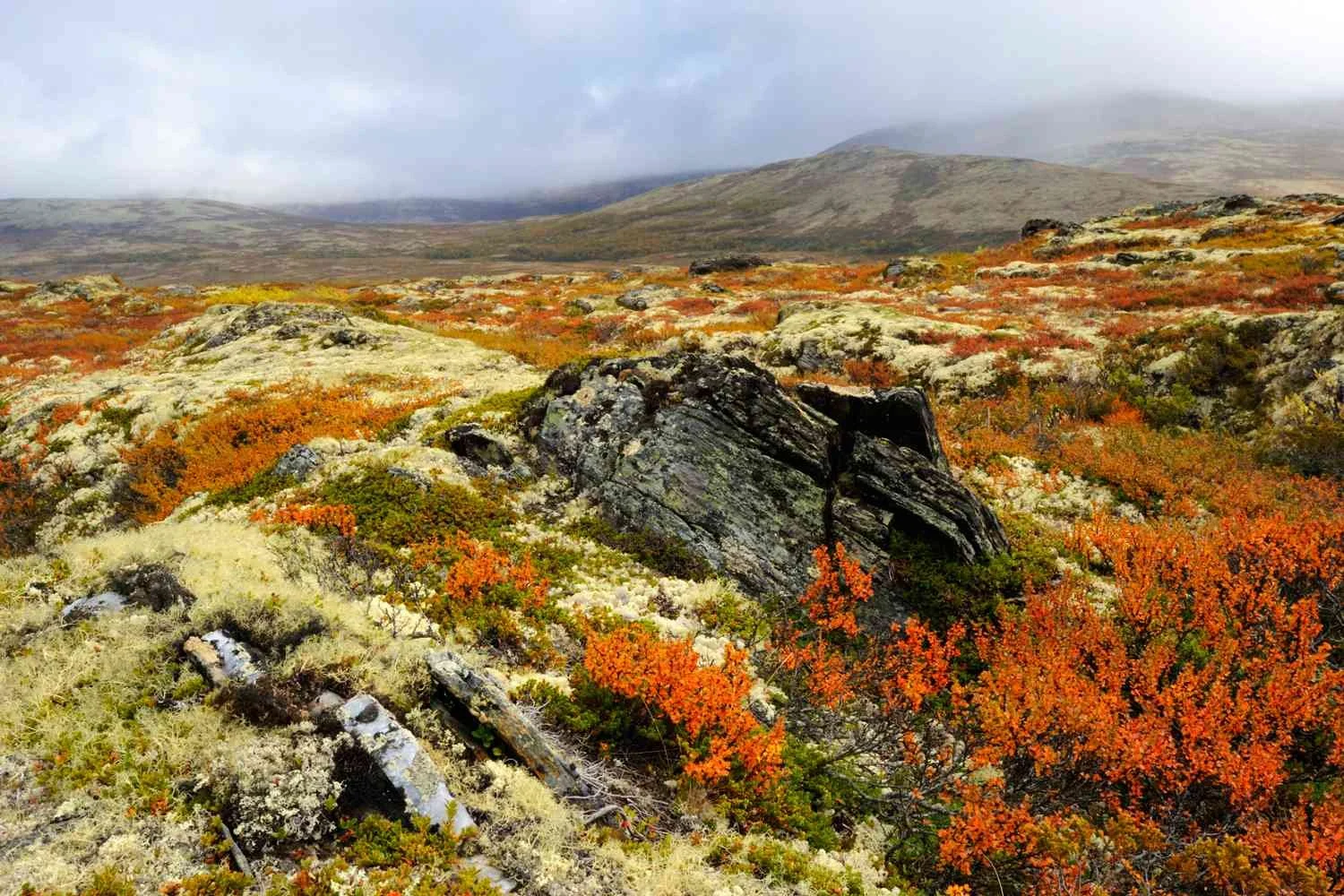
Altitude and terrain. Training at 5,280 feet and playing at 10,000 changes recovery demands, work capacity, and hydration status. Front Range terrain also means sustained descending, which is eccentric loading that a lot of athletes never train for and which drives a disproportionate share of the knee, quad, and calf complaints we see.
High baseline capacity. A person who hikes a fourteener without much trouble can be significantly deconditioned relative to their own sport and still look fine on a standard clinical exam. Testing has to be hard enough to find the deficit. If your evaluation does not challenge you, it is not measuring you.
Weather-driven training spikes. First good powder day, first dry trail in spring, a stretch of bluebird weather in October. Injury rates follow those spikes, because volume jumps overnight after weeks of lower activity.
The injuries we see by sport
Skiing and snowboarding
Knees dominate. ACL injuries are the ones people know about and the ones that reshape a year, but MCL sprains, meniscal injuries, and patellofemoral pain make up more of the total volume. Snowboarders skew differently, with more wrist, shoulder, and ankle injuries from falls.
The underrated issue is quad endurance. Late in a long day, form degrades, positions get sloppy, and that is when things happen. A great deal of ski injury prevention is really just building enough capacity that the last run looks like the first one.
Preseason priorities: eccentric quad strength, single-leg control, hip stability, deceleration, and lateral capacity. Start in September or October, not the week before opening day.
Trail running
Loading errors, mostly. Volume climbs too fast in spring, or elevation gain jumps, or a new race distance gets added without a build.
Common presentations include Achilles tendinopathy, posterior tibialis tendinopathy, plantar fasciitis, patellofemoral pain, IT band syndrome, and stress reactions. We have written detailed pieces on posterior tibialis tendinitis and plantar fasciitis.
The descending problem deserves attention. Front Range trail running involves a lot of downhill, and downhill is eccentric loading that most runners do not train deliberately. Bombing descents on legs that have not been prepared for them is a reliable way to end up with a knee complaint.
Priorities: progressive volume management, calf and foot capacity, hip strength, and deliberate downhill exposure.
Rock climbing
Fingers, elbows, and shoulders. Pulley strains, flexor tendinopathy, medial elbow pain, and shoulder impingement or labral irritation from repetitive overhead loading in end-range positions.
Climbers as a group are exceptional at pulling and frequently underdeveloped at pushing, and that imbalance shows up at the shoulder over time. The other pattern is climbers who train grip intensity aggressively while doing no dedicated tissue capacity work for the fingers, which finger tendons and pulleys do not tolerate indefinitely.
Priorities: antagonist and pressing strength, scapular control, graded finger loading, and honest volume management on the board.
Mountain biking
Crashes produce the acute stuff: shoulder separations and dislocations, clavicle fractures, wrist injuries. Overuse produces the rest: low back pain from sustained flexed positions, knee pain from position and cadence issues, and neck and shoulder complaints on long descents.
Priorities: posterior chain strength, thoracic mobility, trunk endurance in the riding position, and grip and forearm capacity for long descents.
Hiking and backpacking
Underestimated because it looks gentle. Loaded descending over long durations is significant eccentric work, and multi-day trips with a pack expose any weakness in trunk endurance, hip strength, or foot capacity.
Priorities: loaded carries, step-downs, calf and foot work, and pack-specific conditioning before the trip rather than during it.
Should you stop your sport while in physical therapy?
Usually not, and this is the question we get most.
There are situations where genuine rest is the right call: acute fractures, certain post-surgical phases, concussions, and some acutely irritable presentations. Those are less common than the advice suggests.
For most overuse injuries and many acute ones, complete rest solves the pain problem and creates a bigger one. Tissue capacity falls, general fitness falls, and you return to your sport weaker than you left it and into the same load that caused the problem, with less ability to tolerate it.
The better approach is usually modification. Reduce the provocative variable, keep training everything else, and load the injured tissue progressively at an intensity it can handle. A runner with an irritable Achilles might shift volume to the bike while doing graded calf loading. A skier with patellofemoral pain might change terrain selection and day length while building quad capacity.
We covered this in full: Being in PT Shouldn't Stop You From Training.
Preseason preparation calendar
Roughly how we think about the Colorado year:
September to November. Ski and snowboard preparation. Eccentric quad loading, single-leg strength, deceleration and lateral work. Twelve weeks is a real preparation block. Two weeks is a warmup.
December to March. In-season maintenance. Enough strength work to hold capacity through the season, managed around ski days. This is also peak season for acute knee injuries and the start of the post-op ACL population.
March to May. Transition. Running volume ramps, trails dry out, climbing moves outdoors. Highest-risk window for loading-error injuries because everything increases at once after a winter of different demands.
June to August. Peak volume across running, riding, climbing, and alpine objectives. Management rather than building. This is where accumulated fatigue turns small issues into real ones.
Why sport-specific rehab matters
A general outpatient clinic can absolutely reduce your knee pain. What is harder to find is a clinic that will test whether your knee tolerates two thousand vertical feet of descending on tired legs, because that is the actual demand.
The endpoint has to match the sport. That means the plan includes the loading, the volume, and the positions your activity requires, and the discharge decision is made against those criteria rather than against whether you feel okay walking around.
Our therapists ski, ride, climb, run, and lift. Not as a credential, but because it means that when you describe what happened on the third lap of a descent, we know what you are describing.
Get back out there
Whether you are managing something nagging, building for a season, or rebuilding after surgery, we work with Colorado athletes specifically.
Book a free 15-minute consultation or call (720) 619-0512. Learn more about our outdoor athlete physical therapy.
FAQ section
-
Ideally 8 to 12 weeks before opening day, so September or October for most Colorado skiers. That window allows for progressive eccentric quad loading, single-leg strength, and deceleration work, which is more than a couple of weeks can deliver.
-
Often not. Complete rest is appropriate for certain acute injuries and post-surgical phases, but most overuse injuries respond better to modifying volume and intensity while progressively loading the injured tissue.
-
Descending is heavily eccentric loading on the quadriceps, and most athletes do not train it deliberately. Front Range terrain involves sustained descending, which is why downhill-related knee and quad complaints are common here.
-
Altitude affects work capacity, recovery demands, and hydration status, which influence training load tolerance. It does not change tissue healing timelines, but it does change how much training stress you can absorb during rehabilitation.
-
One who tests you against the demands of your sport rather than general daily function, uses objective strength measurement, and builds a plan that includes the loading and volume your activity actually requires.
Helping athletes RESOLVE THEIR PAIN by CLEARLY DEFINING THE PROBLEM and IMPLEMENTING EFFECTIVE SOLUTIONS to get them back doing the activities they love!
If you are currently struggling with an injury or unable to perform in the activities you enjoy. Please follow the link to schedule a consultation call to discuss how we can help you.