

Expert Insights on Performance & Recovery
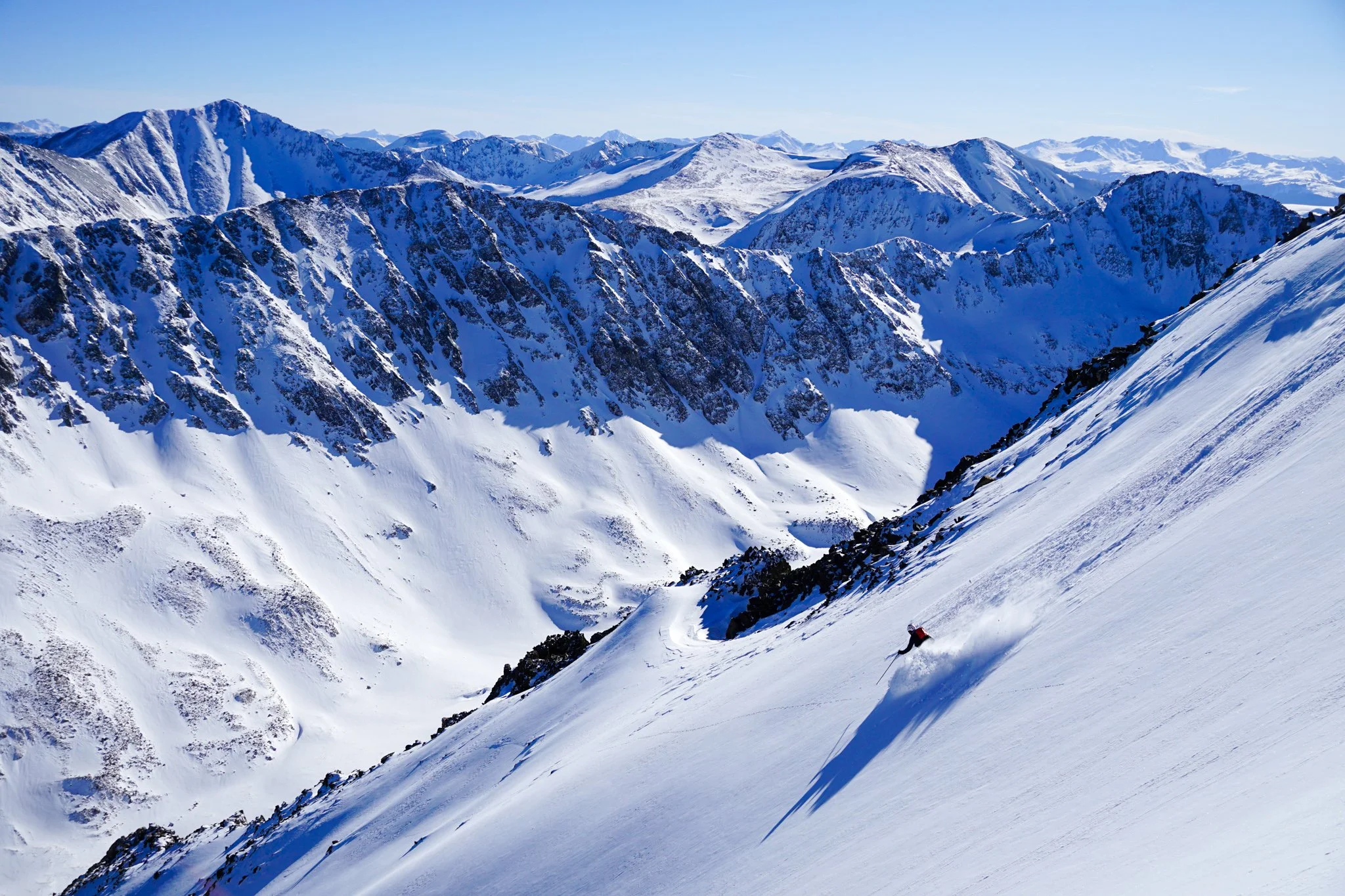
Colorado Ski Prep Guide: How to Strengthen Your Legs for Skiing and Snowboarding
Ski and snowboard season is beckoning upon us. Last year's snowfall was disappointing but how can you not enter this season with a new found optimism and enthusiasm. Hopes and dreams for 12+ inches of powder, freshies in the afternoon, and a banging apres party after a hard day on the slopes. This is the year you get stuck behind Vail pass, no way of getting home, get hit with a fresh snowstorm and you're stuck riding the best powder you’ve seen in 10 years.
You need to be ready for all of it and now is the time to start prepping for it.
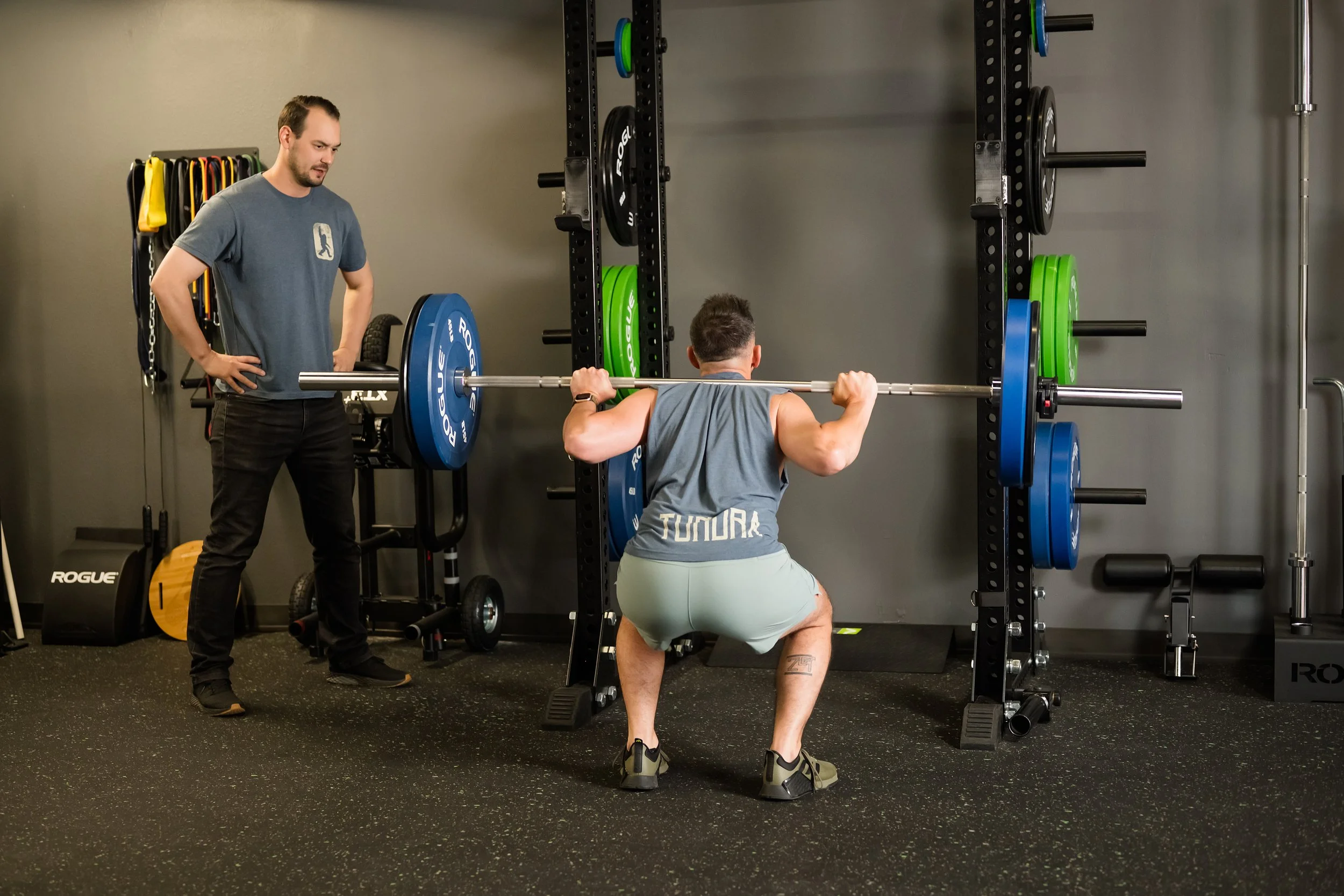
Inside the OR: What Two ACL Reconstructions Taught Us
We spend months with ACL patients after surgery. We rarely get to see the 90 minutes that set the rehab in motion.
This past week we had the opportunity to scrub in and participate in surgery with Dr. Mitchel Robinson, a local orthopedic surgeon from Panorama Orthopedics in Golden, and his team. During our day in the OR, we were able to observe 2 different ACL-reconstructions and discuss not only the surgery itself but the considerations that went into them.
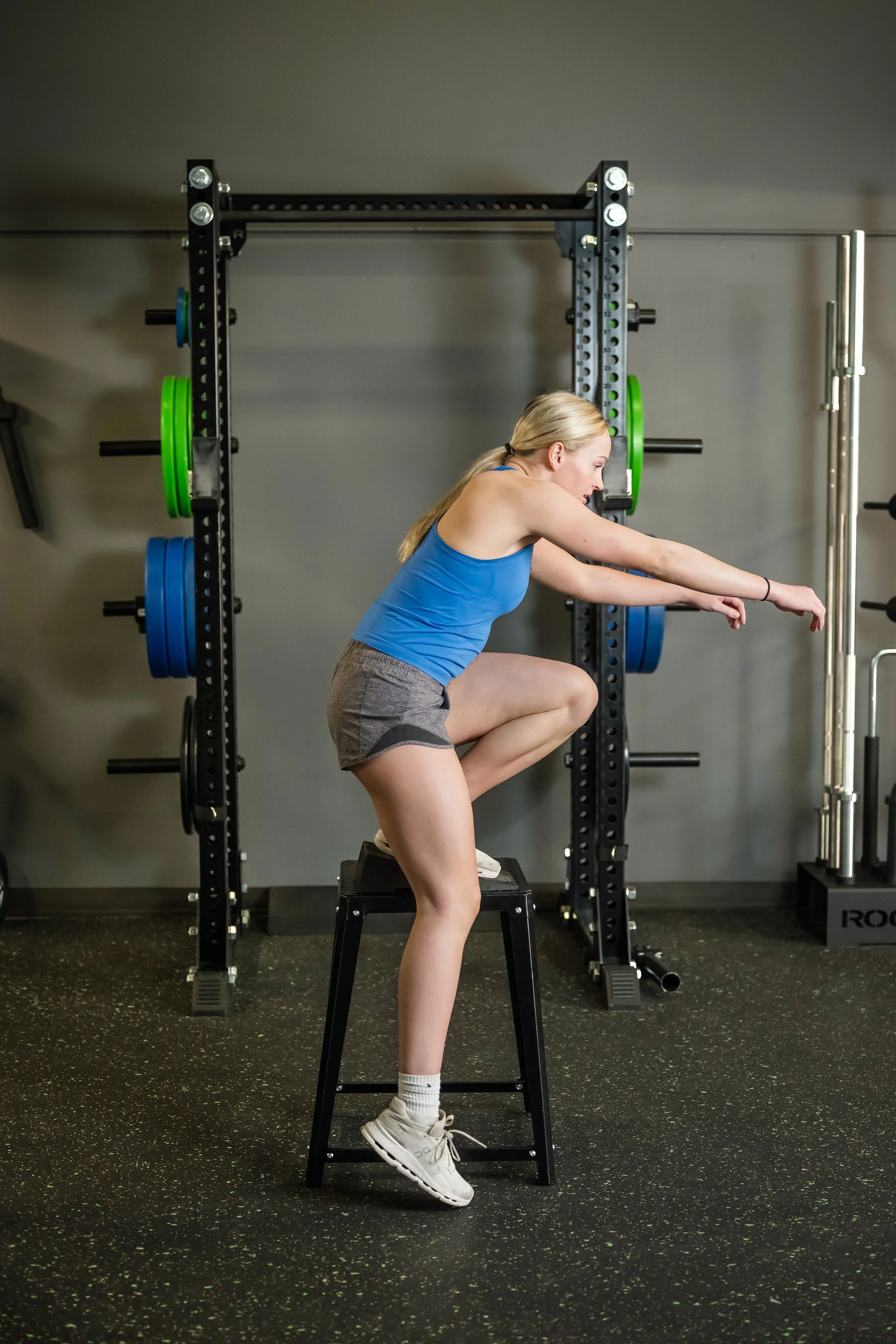
Meniscus Tear or Anatomical Gray Hairs?
Maybe you’ve had nagging shoulder, hip, or knee pain for a while that hasn’t completely gone away. Eventually, you decide to see a doctor and get some imaging to figure out what’s going on.
Then you get the MRI report. And you get a diagnosis.
The pain may have been relatively mild and manageable before the MRI. But now you know you have a “torn meniscus.” Suddenly, you’re worried that you need to protect your knee so you don’t make the tear worse. So you start avoiding activity.
Over time, your pain gets worse….. You assume the tear must be getting worse, so you decrease your activity even more.
And the cycle continues.
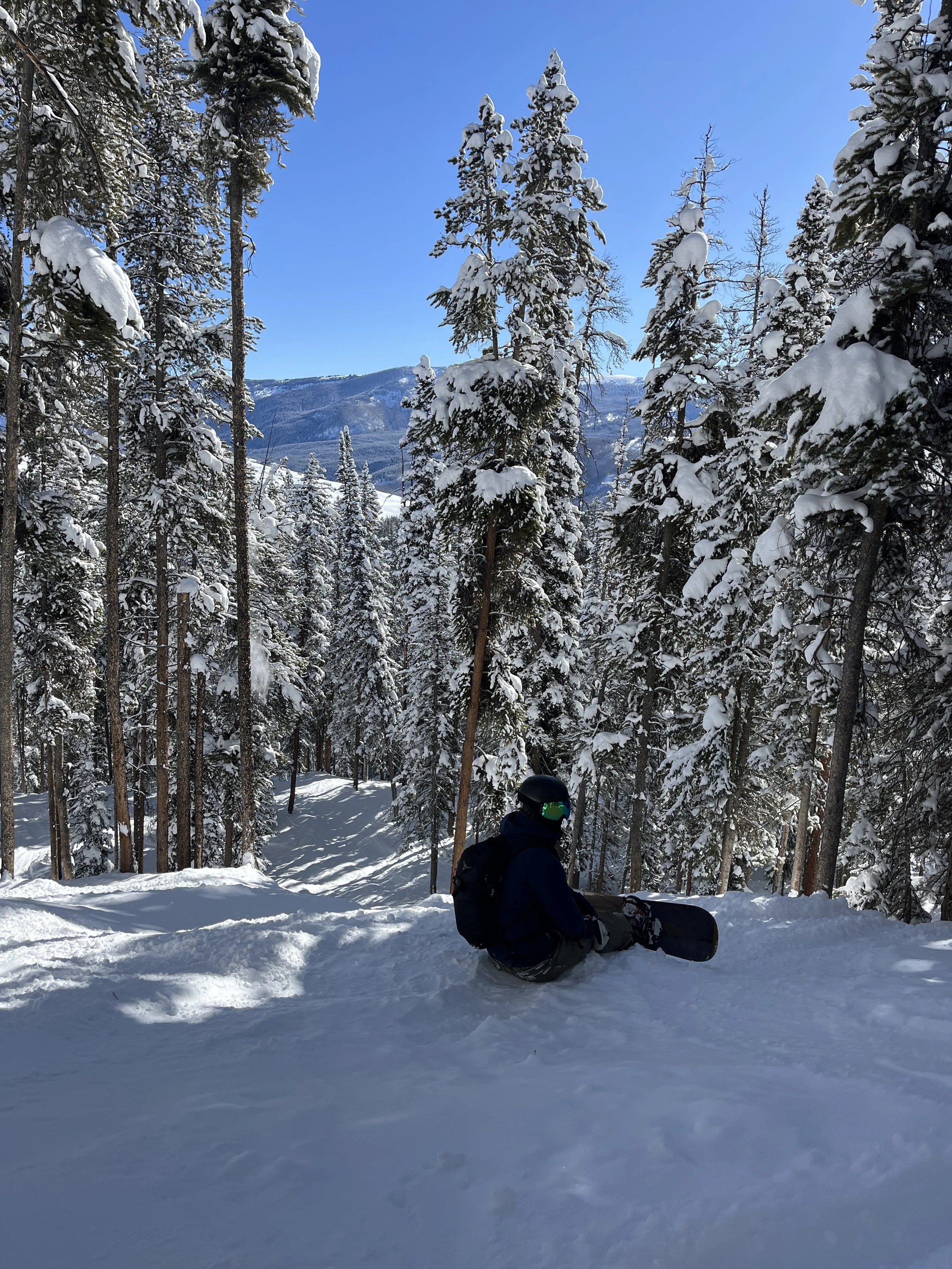
How to Prevent an ACL Tear While Skiing: What the Research Actually Shows
Every ski season, we hear some version of the same story: "I don't know what happened, I wasn't even going that fast." And that's usually true, because the most common way recreational skiers tear their ACL has almost nothing to do with speed, jumps, or getting caught in a yard sale.
Here's what the research actually shows, and what to do about it.
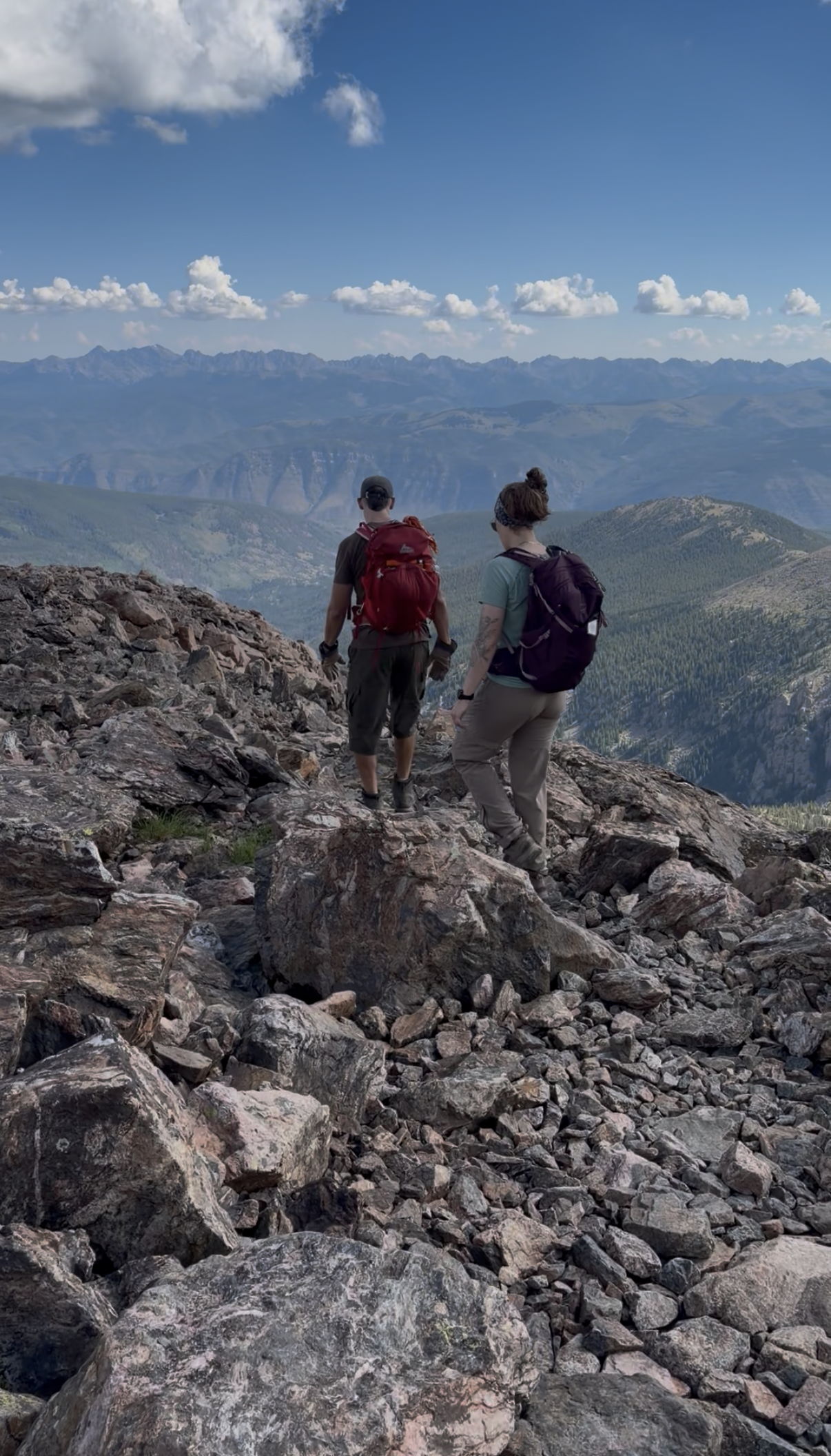
Why Your Knees Hurt on Descents
You crush the climb. Lungs burning, legs on fire.
You summit, you soak in the views you worked so hard for, and you’re feeling good.
You turn around and start heading down. And by the time you're back at the trailhead, your knees are barking and talking with every step. Sound familiar?
What We Measure at Your Physical Therapy Evaluation (And Why It Matters)
"What did I get?"
That's usually the first question we get after dynamometry testing, like we just read their tea leaves and are about to compare it to their zodiac sign.
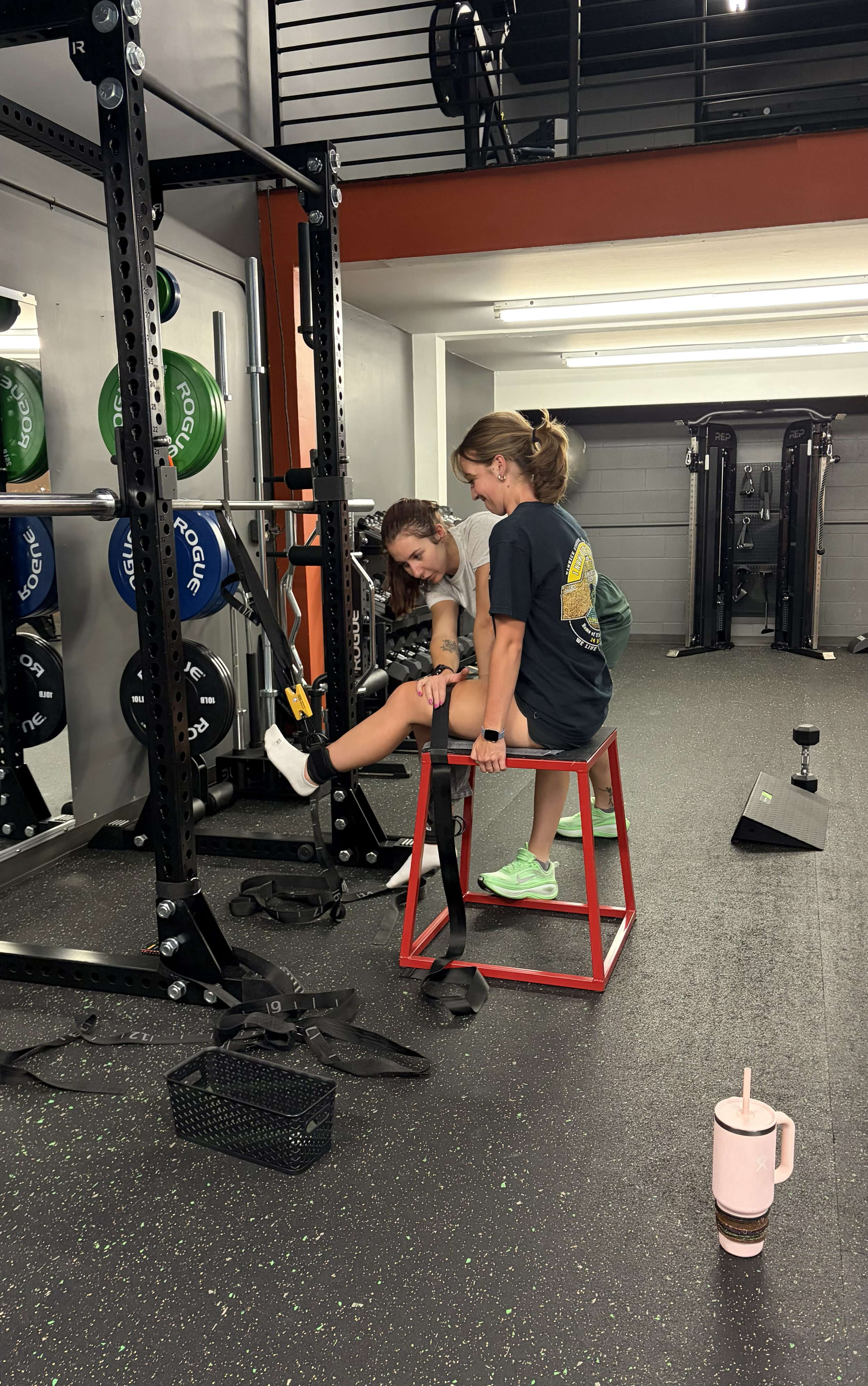
At Tundra Performance and Physical Therapy, when you come in for a physical therapy evaluation, sometimes a huge piece of our patient’s assessment comes from a single test: isometric dynamometer testing. Also seen in our return to play, running, and performance assessments.
Let's pull back the curtain a little bit and dive into what is dynamometry testing and why do the numbers matter?