The Soreness Myth in Weightlifting and Physical Therapy
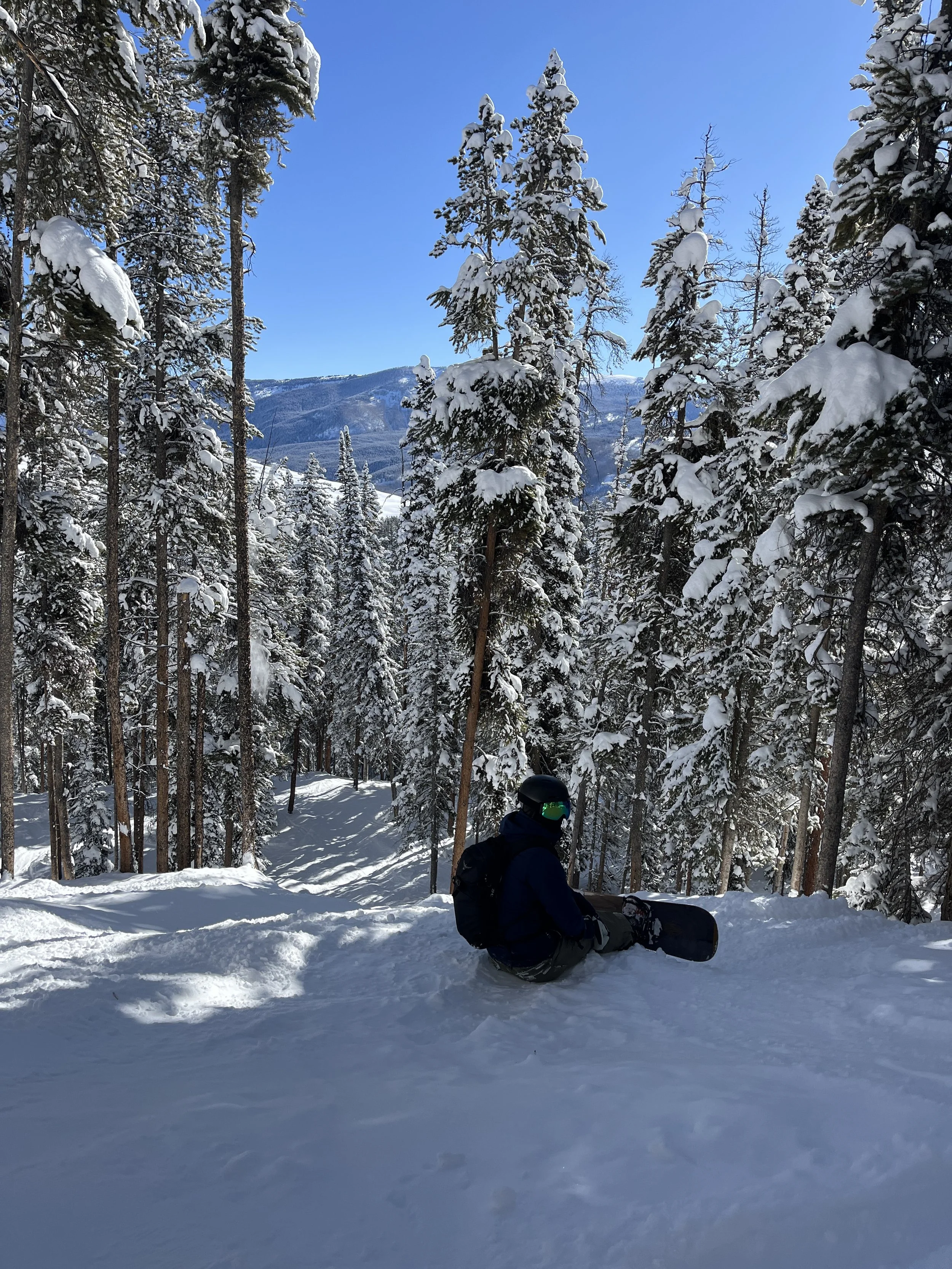
Snow….. I’ve seen it. I’ve touched it. I even had the opportunity to snowboard on it. I didn’t think it existed until this past weekend. We just got back from 4 amazing days in Crested Butte snowboarding and exploring the mountain. Snow falling and fresh powder to start the trip and bluebird skies to finish. Blessed to walk away with an awesome trip and some time to relax.
After 4 straight days of snowboarding, my thighs were certainly sore on the way home. Soreness is something we talk about a lot in the clinic. Primarily in the context of expectation setting to the session. I’m here to tell you soreness doesn’t necessarily equate to getting stronger.
I may be ruffling some feathers with this post today but I want to clarify what soreness actually is and means, and is it a necessary evil to get stronger and achieve your goals.
What actually is soreness?
The stiffness and symptoms you feel after a workout is called Delayed Onset Muscle Soreness or DOMS. Pathophysiologically muscle soreness is the direct result of micro-tears in your muscle fibers, which can lead to strength gains as they repair and grow back stronger. However, it is not a requirement for growth; you can build muscle and strength without being sore.
DOMS is largely the result of the introduction of new or novel movements to a workout, a change in volume or intensity, or increase in time under tension. In other words, it's a response to a new or increased stress, not necessarily proof of effectiveness.
You can both (A) be sore and not necessarily get stronger or (B) get stronger without being that sore.
What actually builds strength?
Strength gains are a consequence of adaptation. Adaptation stems from a line of direct and intentional decision making in the programming and workouts.
Strength improves as a result of:
Progressive overload (gradually increasing load, reps, or difficulty)
Consistent exposure of intensity over time
Proper recovery
Specificity (training that matches your goals)
Simply put, we’re looking for adaptation, not annihilation.
Constantly chasing soreness can sometimes backfire. Chasing soreness can often lead to poor or insufficient recovery, inconsistent training frequencies, excess fatigue, and potential for higher injury risk.
For outdoor and weightlifting athletes especially, you don’t want your training leaving you too wrecked to actually perform the way you want. I say it all the time, the decision making needs to match your goals.
If you’ve been equating soreness with success, my encouragement is to reflect upon are you achieving your strength and performance goals with it?
And if you want help building strength that actually translates to the mountains or training floor, we’re here for it.
Helping athletes RESOLVE THEIR PAIN by CLEARLY DEFINING THE PROBLEM and IMPLEMENTING EFFECTIVE SOLUTIONS to get them back doing the activities they love!
If you are currently struggling with an injury or unable to perform in the activities you enjoy. Please follow the link to schedule a consultation call to discuss how we can help you.