

Expert Insights on Performance & Recovery
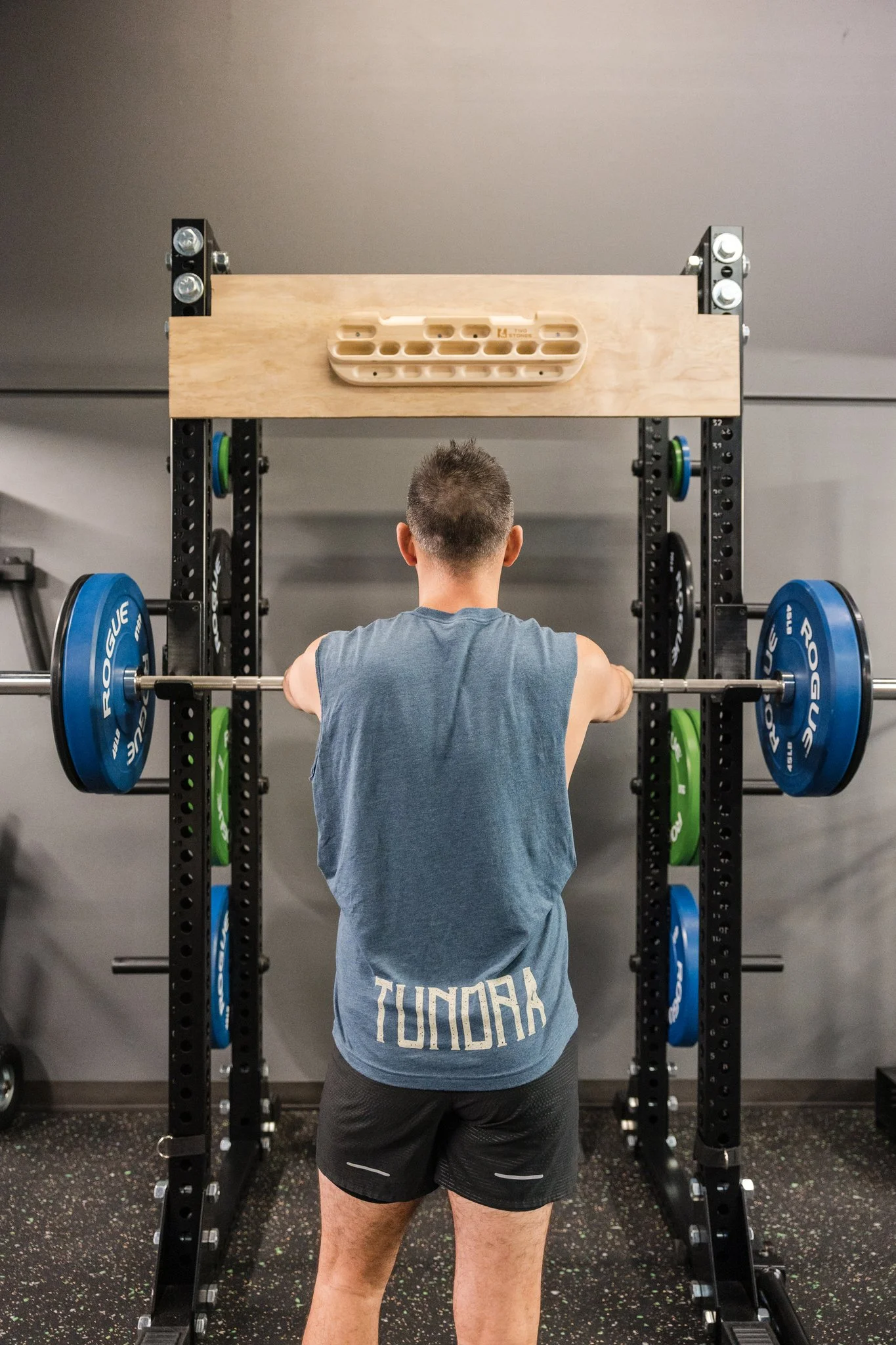
The Hardest Patient to Rehab in Physical Therapy
Let’s talk who actually is the hardest patient to rehab in physical therapy.
In my opinion it’s not an ACL reconstruction working their way back to the field. (although they have their own challenges as well……)
It’s a post-op powerlifter who squats, benches, and overhead presses more than a normal person can fathom.
Let’s talk about it.
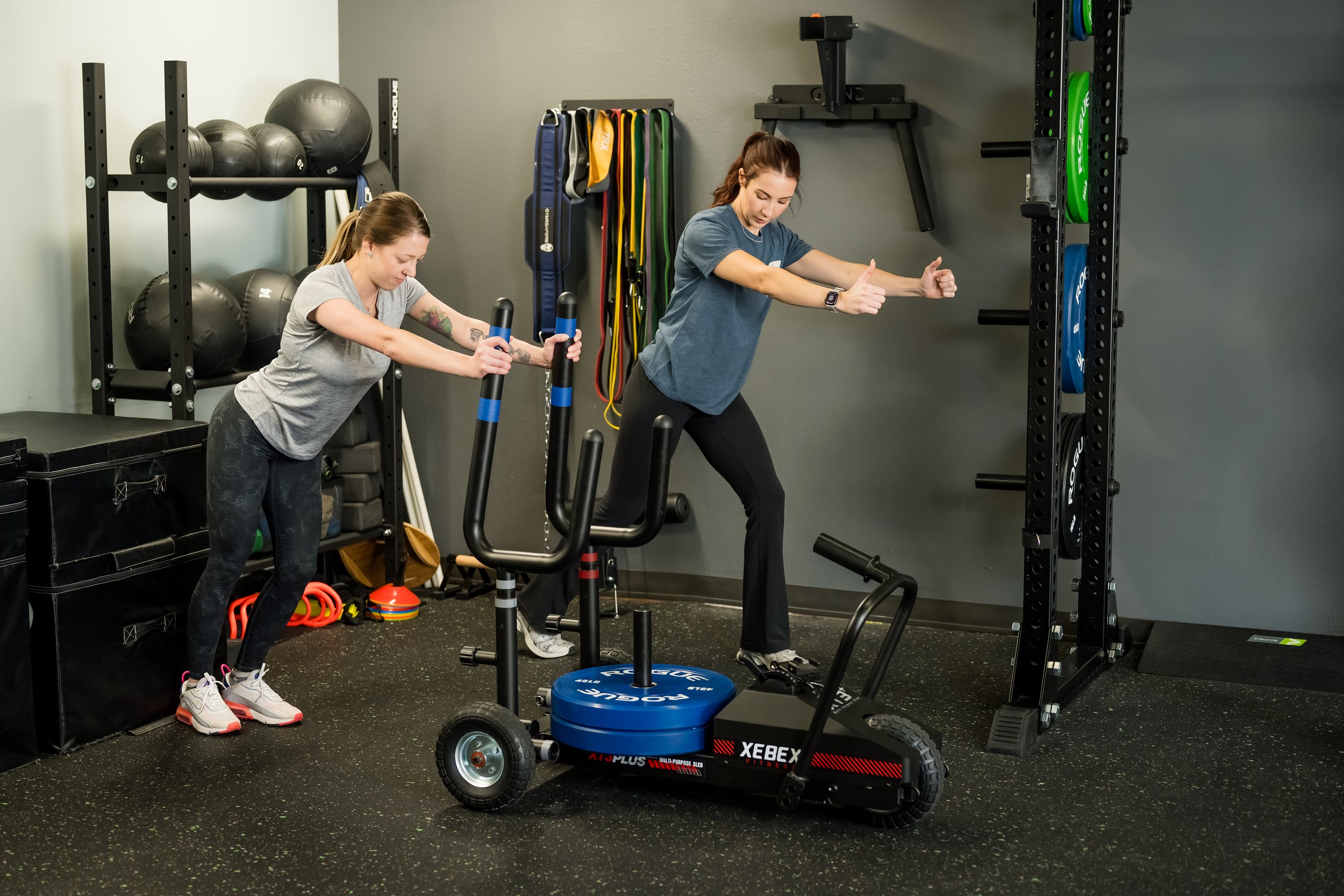
Being in PT Shouldn’t Stop You From Training – It Should Take You Further
One of the first questions active patients ask is:
"Should I stop training until this gets better?"
Maybe it's a runner with knee pain asking if they should stop running, or a lifter wondering whether shoulder pain means they should stop pressing overhead.
There are situations where complete rest is appropriate, such as certain acute injuries or concussions, but they're less common than many people think.
For many orthopedic injuries, the goal shouldn’t be to stop training altogether. It should be to keep that athlete moving as much as possible while being considerate to safety and the needs of recovery.
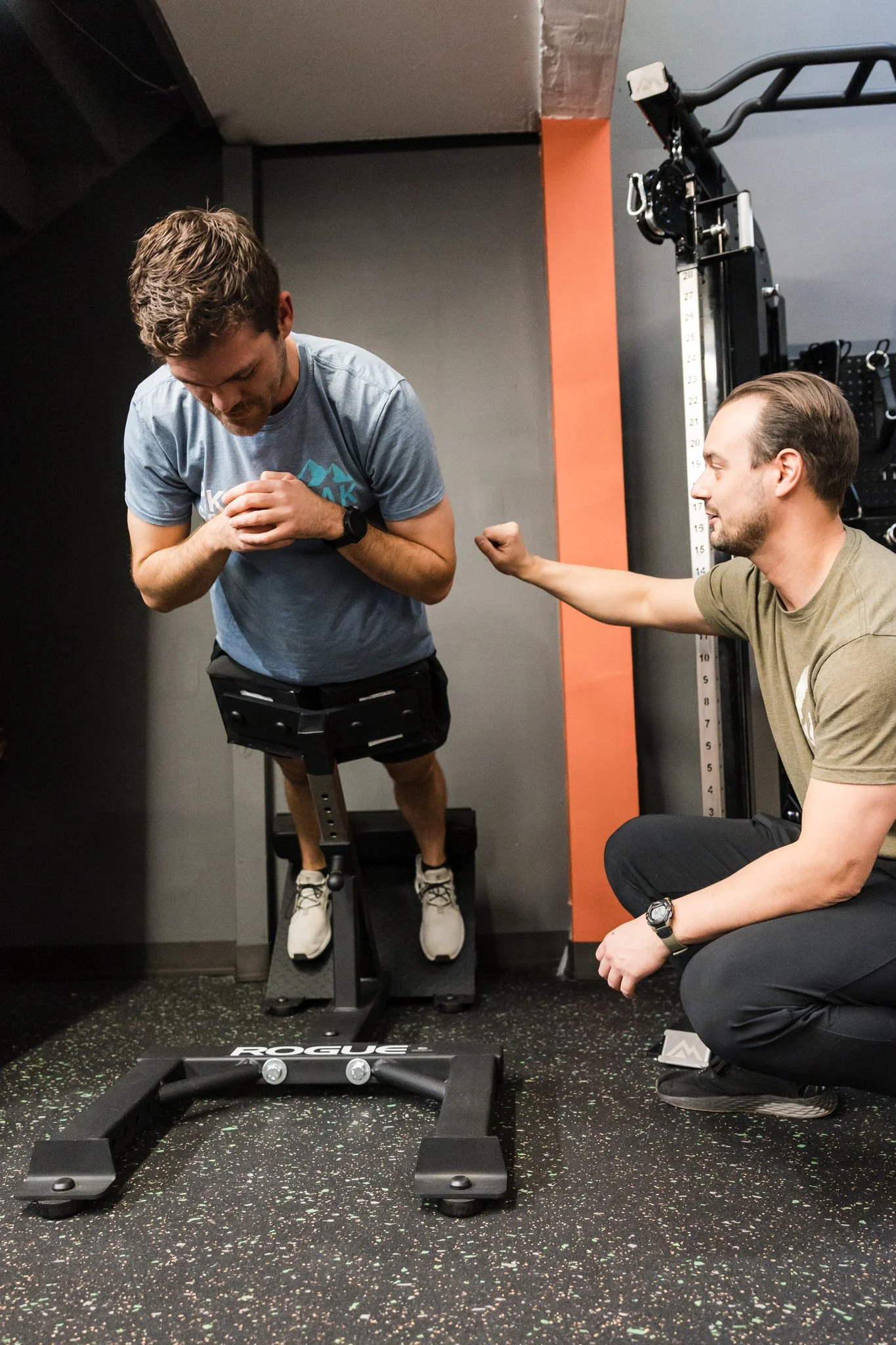
A Performance Physical Therapist’s Roadmap for Disc Herniations For Denver Athletes
Disc herniations don't have to mean the end to the activities you love. If you've been told you have a herniated disc, you've probably also been told to rest, avoid bending and twisting, and be patient.
That advice isn't wrong, exactly, it's just not (A) a complete answer to how to actually get back and (B) it doesn’t acknowledge the demands athletes face in returning to the sports they enjoy.
Here's what a proper rehab roadmap for our patients and athletes looks like.
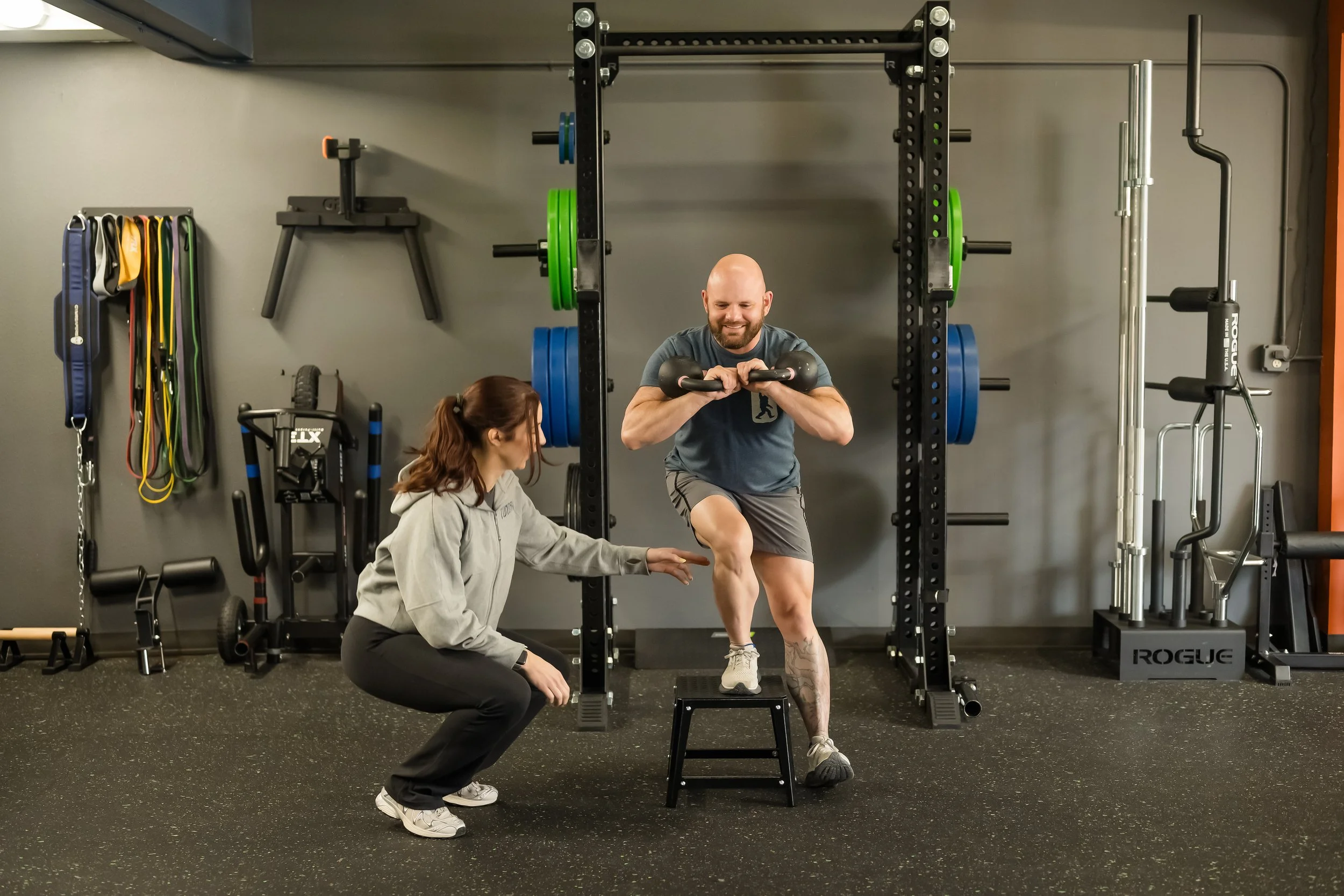
Why It’s Important to Have a Training Program
I’ve had many discussions with runners, weightlifters, and other hybrid athletes about programming in the past few months and wanted to share a few insights on why programming is so important to success in training.
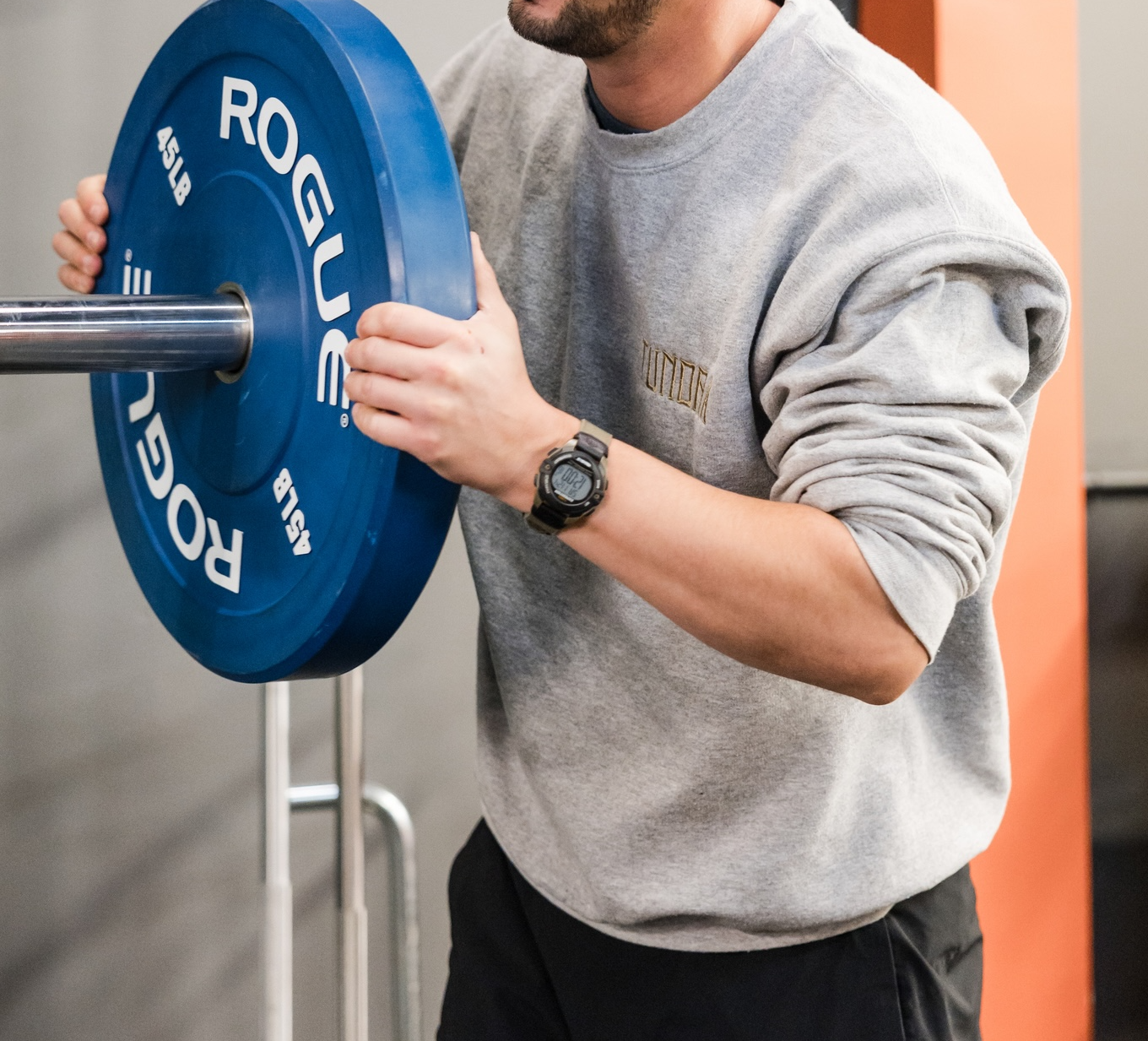
Know Pain, Know Gain – Transitioning from Rehab to High Level Performance
We have all heard the saying “No Pain, No Gain.” (If you haven’t then you just did!!).
How much does this mantra hold true? How much pain is okay to work through when recovering from an injury?
To make a long answer short, it depends – on the type of injury itself, the chronicity, and the severity. However, there is a general framework we follow in rehab that informs the timeline and expectations for return to certain activities.
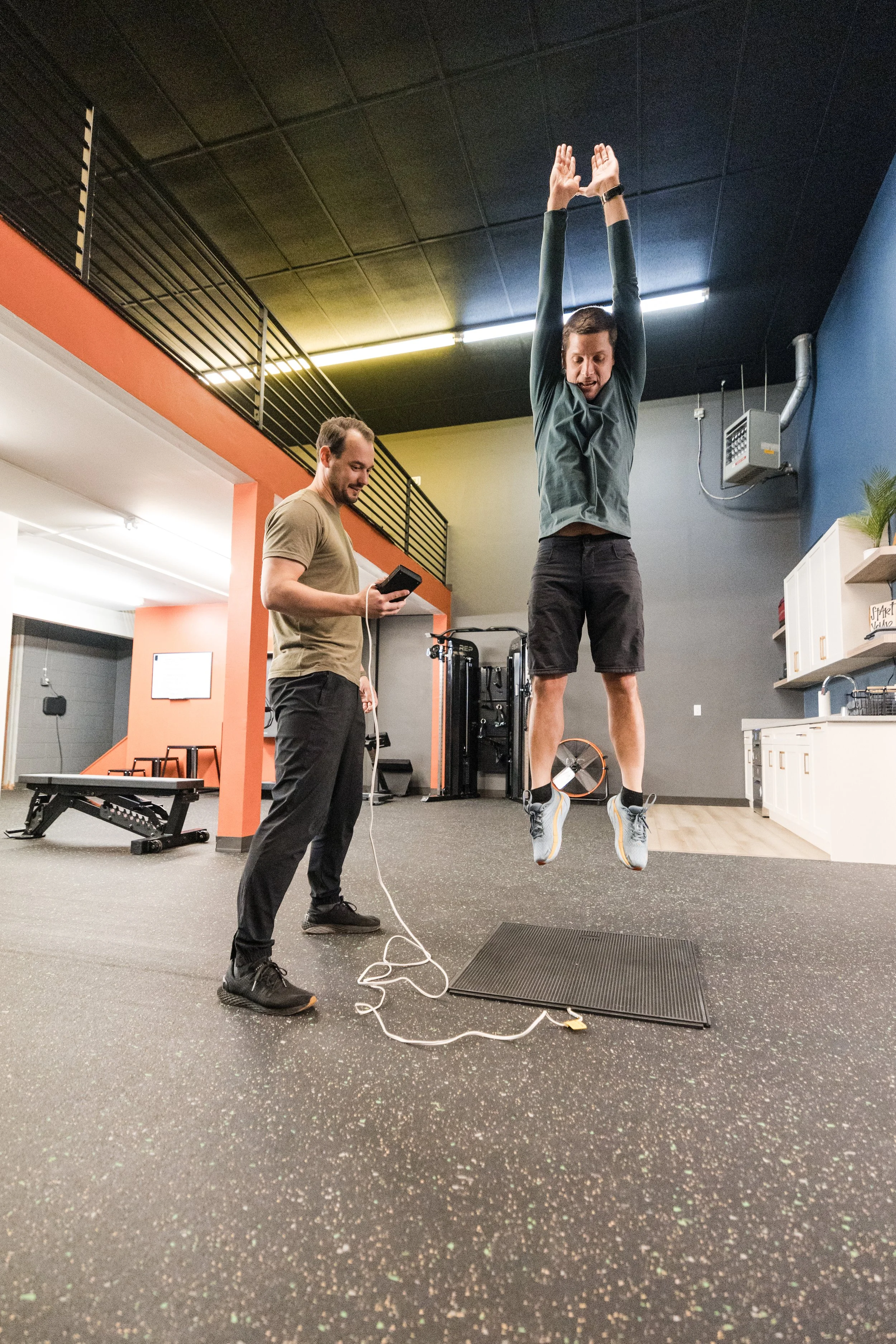
Why Are You Making Me Jump? The Benefits of Plyometric Training
There has recently been a huge influx of popularity regarding plyometric training. Plyometrics, which include jumping, hopping, and bounding, are a method of training that has been used in sport for decades. But what do they do? And why are they important?
Today we’re breaking down what plyometrics are, how they work, and why they are important not only for overall joint health, but for athletic performance.