

Expert Insights on Performance & Recovery
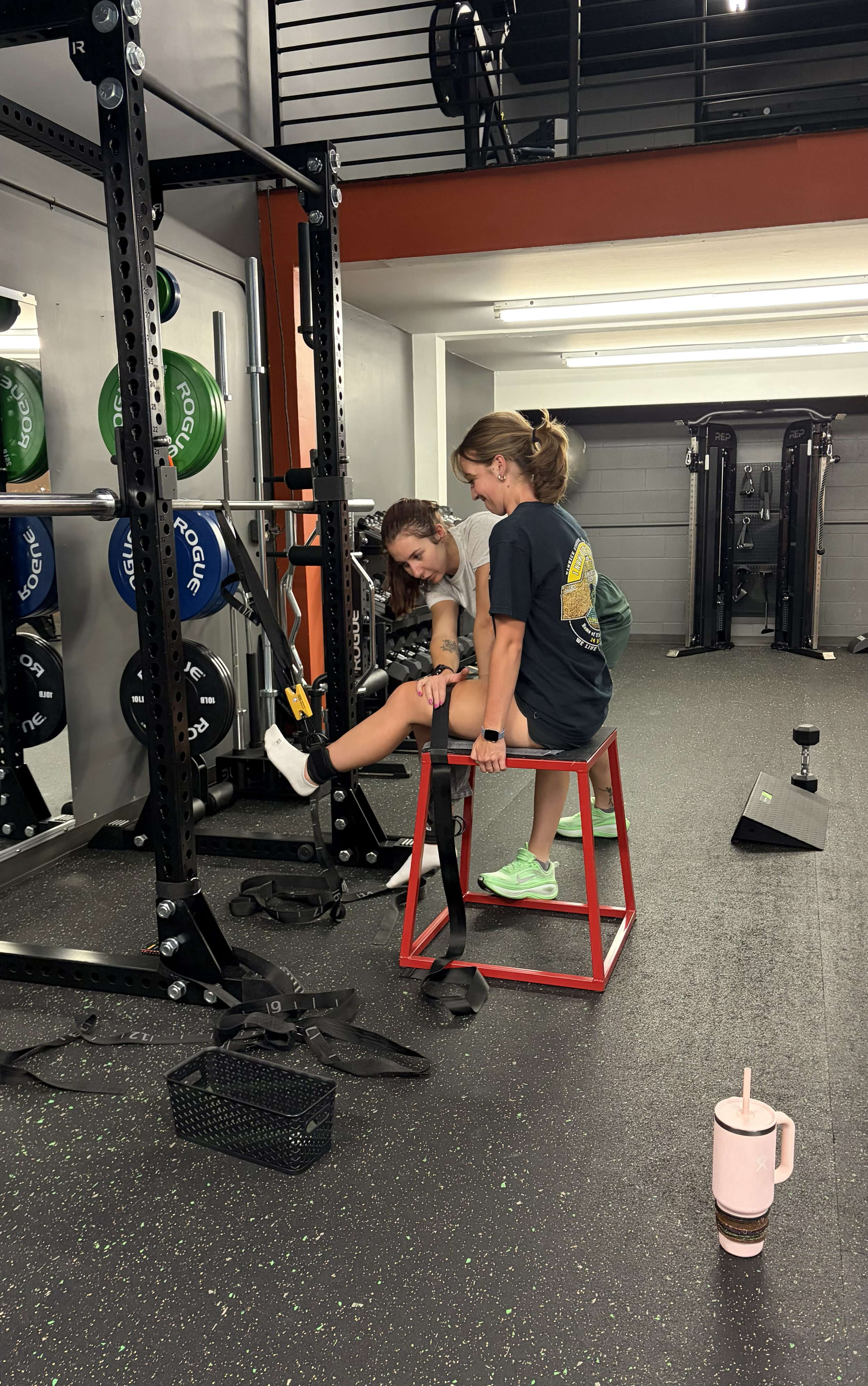
What We Measure at Your Physical Therapy Evaluation (And Why It Matters)
"What did I get?"
That's usually the first question we get after dynamometry testing, like we just read their tea leaves and are about to compare it to their zodiac sign.
At Tundra Performance and Physical Therapy, when you come in for a physical therapy evaluation, sometimes a huge piece of our patient’s assessment comes from a single test: isometric dynamometer testing. Also seen in our return to play, running, and performance assessments.
Let's pull back the curtain a little bit and dive into what is dynamometry testing and why do the numbers matter?
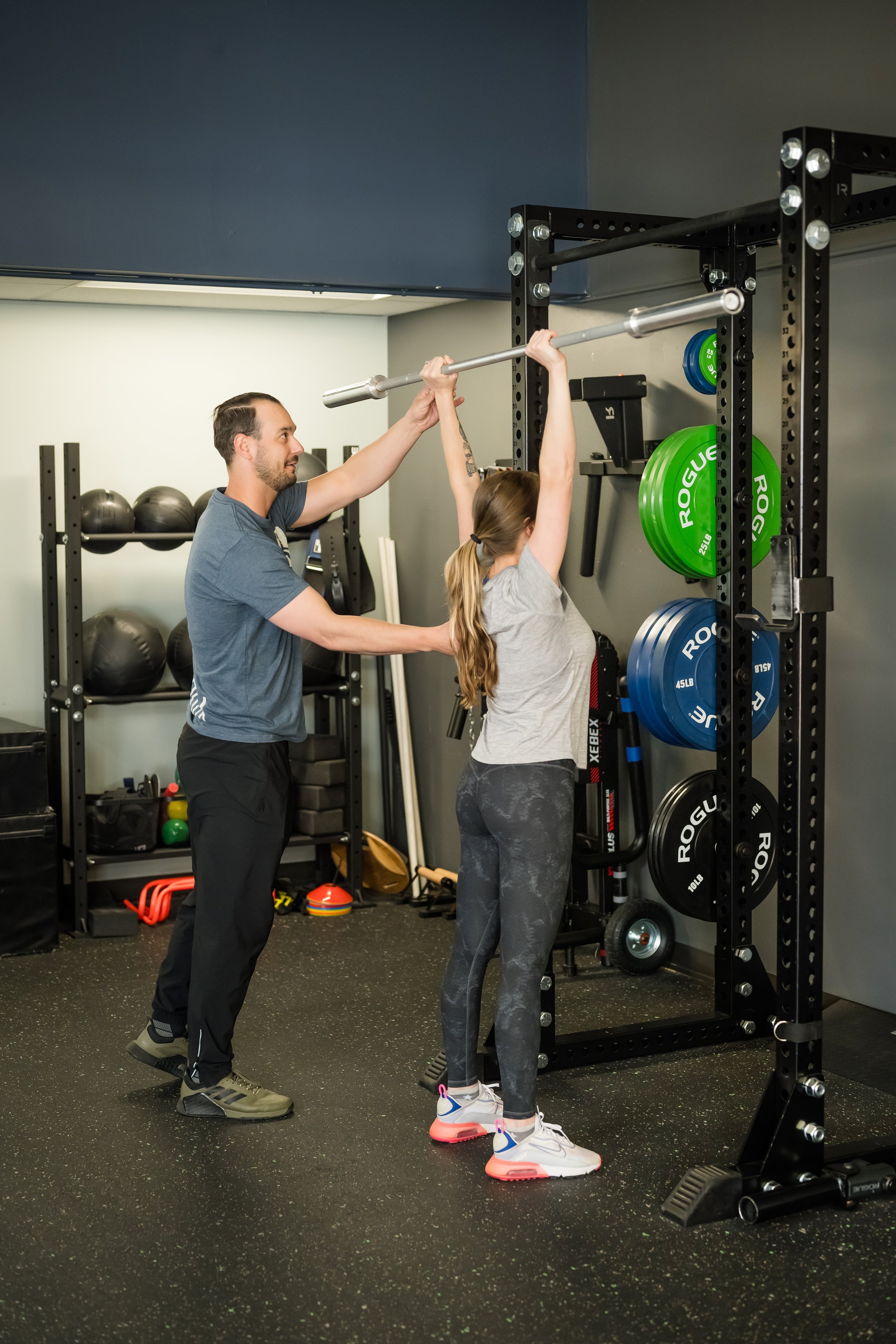
Training = Healthcare
Last December, I received a text from my friend Ashton, while he was attending the First Principles of Movement Summit at the EXOS training center in AZ telling me that there’s a course that I would love and I cannot miss it if I get a chance to take it.
The course Training = Healthcare.
Clinically, objectively, and philosophically, the course was a banger. These were my favorite takeaways from the course that we at Tundra Performance and Physical Therapy share and embody at our clinic.

What Is a Deload in Training? A Complete Guide
As I approach the home stretch of my half-marathon training, and as many others are either deep into training or beginning their racing season, I thought it would be a good time to discuss deloading: what it is, when it may be beneficial, and who actually needs it.
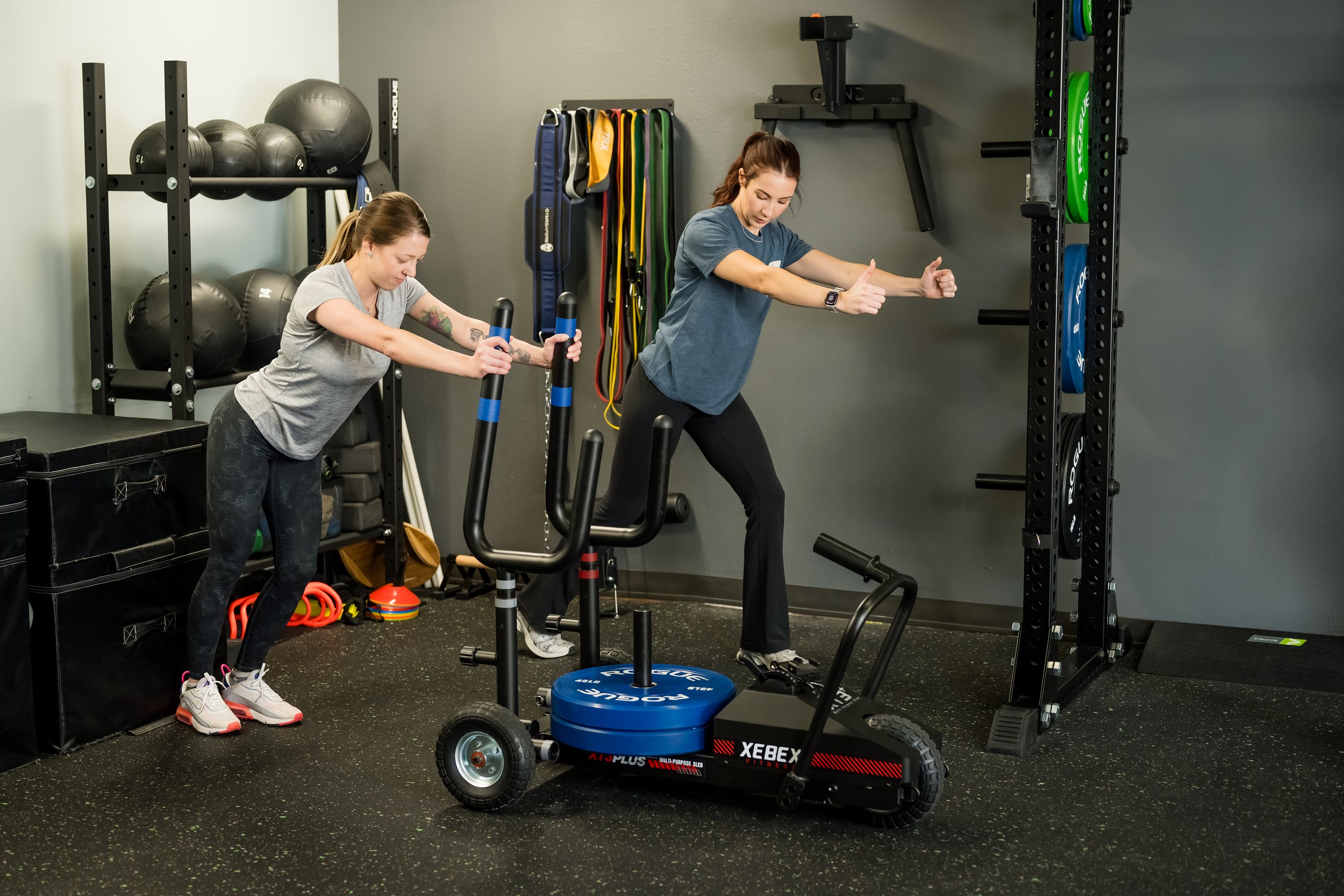
Being in PT Shouldn’t Stop You From Training – It Should Take You Further
One of the first questions active patients ask is:
"Should I stop training until this gets better?"
Maybe it's a runner with knee pain asking if they should stop running, or a lifter wondering whether shoulder pain means they should stop pressing overhead.
There are situations where complete rest is appropriate, such as certain acute injuries or concussions, but they're less common than many people think.
For many orthopedic injuries, the goal shouldn’t be to stop training altogether. It should be to keep that athlete moving as much as possible while being considerate to safety and the needs of recovery.
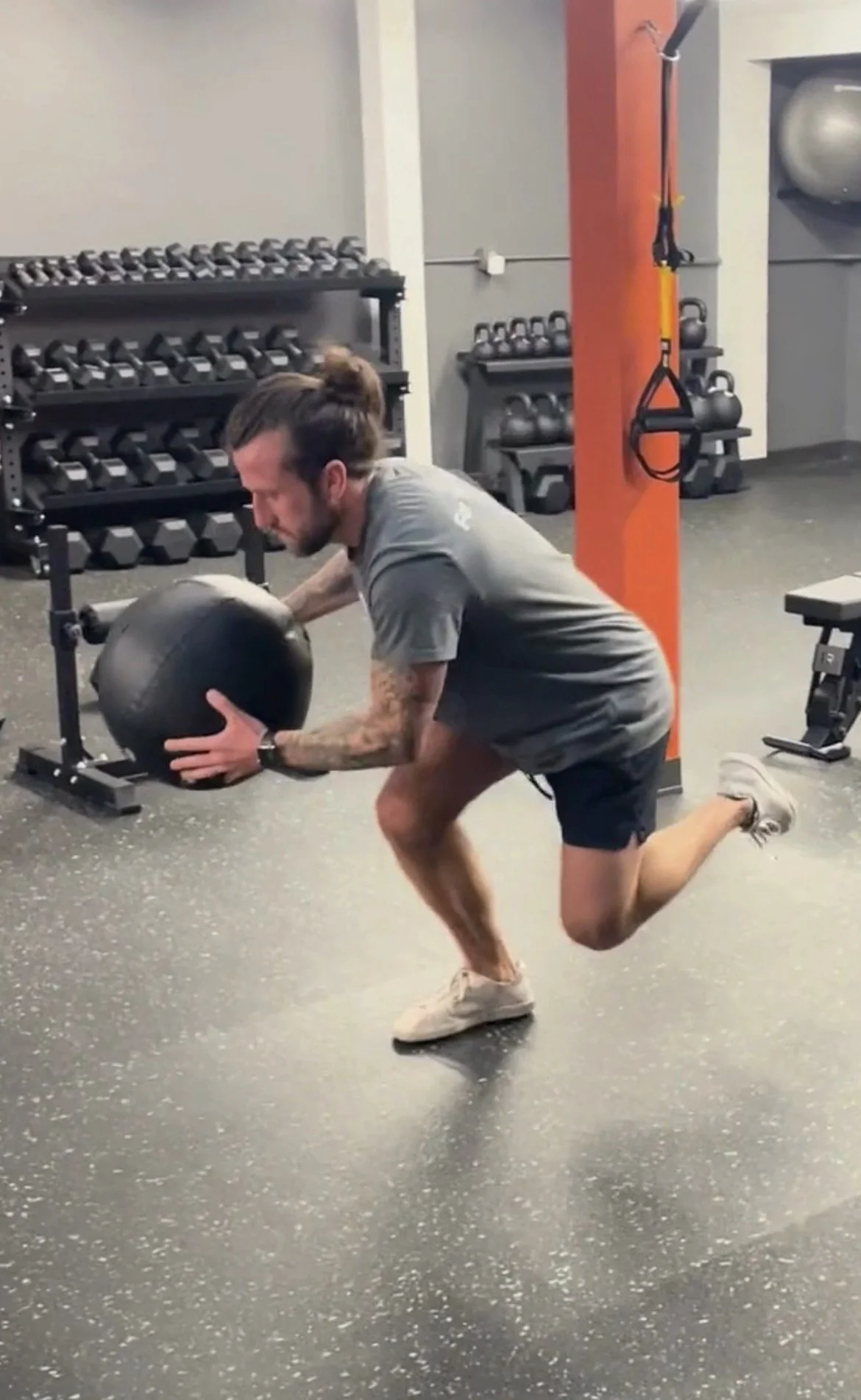
Return-to-Ski Testing: Are You Actually Ready to Go Back?
You feel better.
Your swelling is down.
You’re lifting again.
But are you actually ready to ski?
This question matters more than most people realize because “feels good” and “ready for the mountain” are two very different things.

The Big Announcement is Here!
We’re excited and thrilled to welcome Dr. Katie Sauer PT, DPT to the Tundra Performance and Physical Therapy team!
She's a sports physical therapist originally from the East Coast. Graduating from Syracuse University in 2020 with a BS in Health and Exercise Science. From there she went on to graduate school, receiving her Doctorate in Physical Therapy from the University of Rhode Island in 2024. She’s been a practicing sports physical therapist in Denver since then.