

Expert Insights on Performance & Recovery
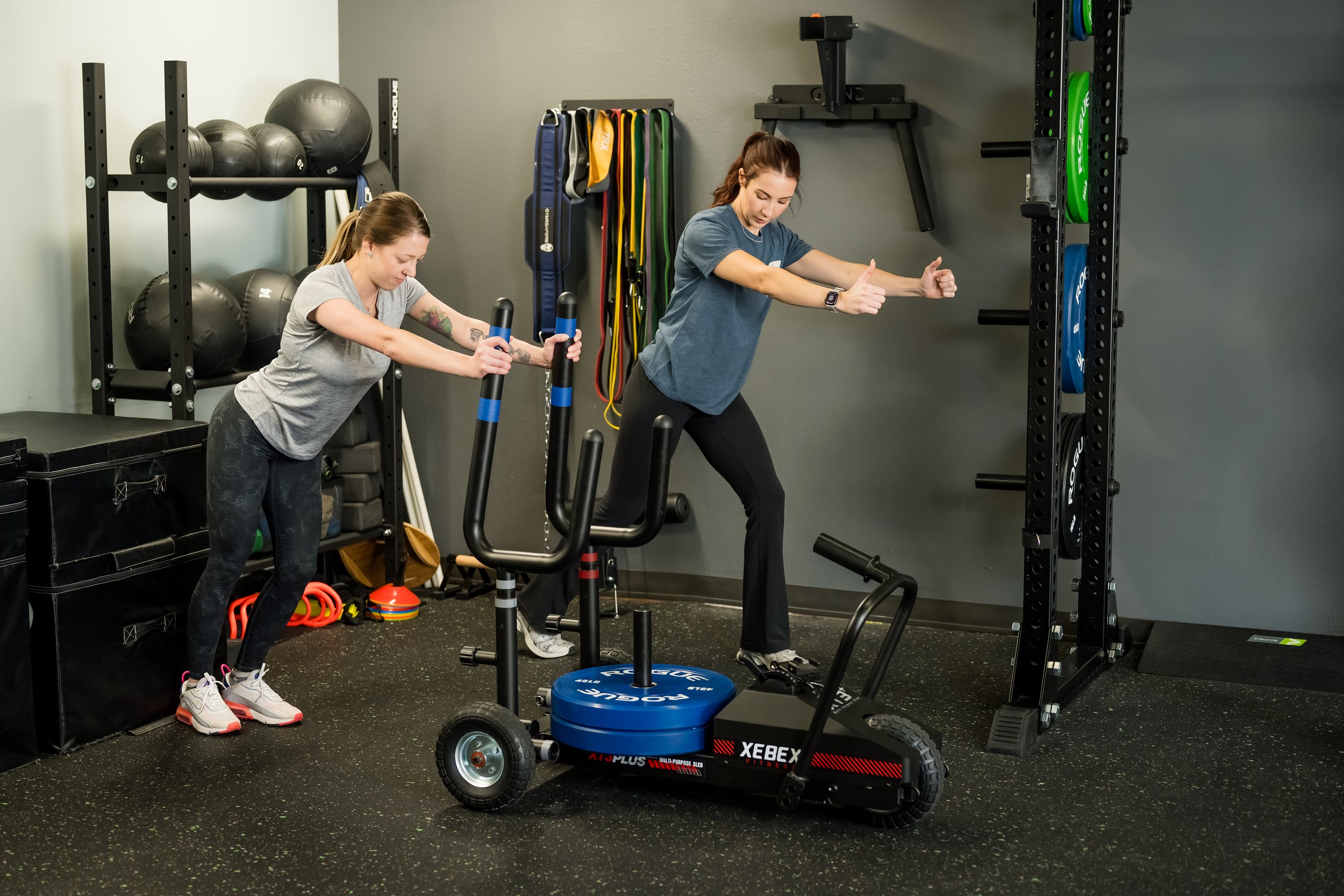
Being in PT Shouldn’t Stop You From Training – It Should Take You Further
One of the first questions active patients ask is:
"Should I stop training until this gets better?"
Maybe it's a runner with knee pain asking if they should stop running, or a lifter wondering whether shoulder pain means they should stop pressing overhead.
There are situations where complete rest is appropriate, such as certain acute injuries or concussions, but they're less common than many people think.
For many orthopedic injuries, the goal shouldn’t be to stop training altogether. It should be to keep that athlete moving as much as possible while being considerate to safety and the needs of recovery.
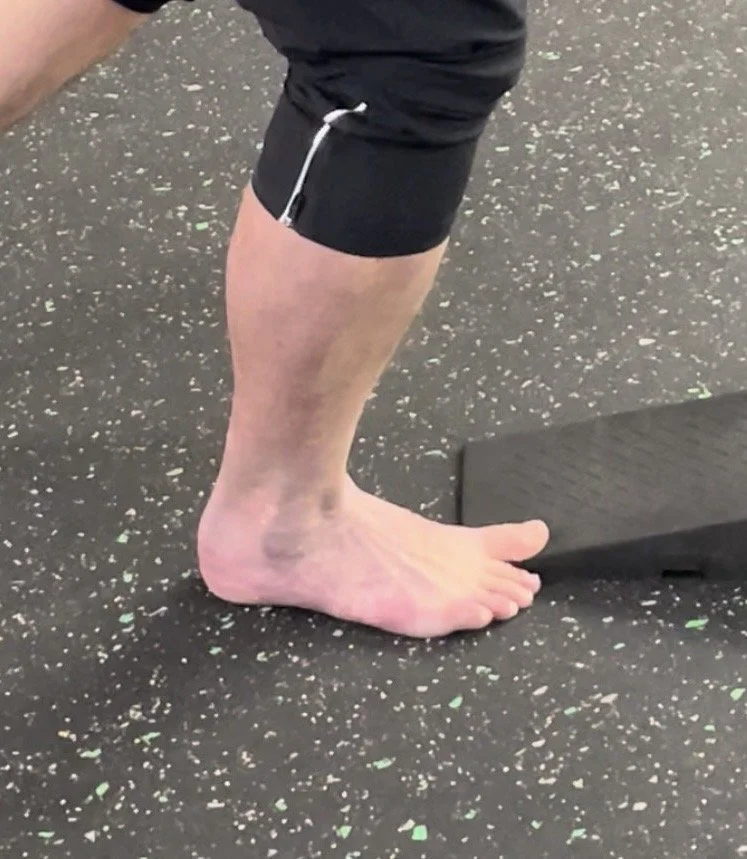
Beating Plantar Fasciitis: A Performance Physical Therapist's Playbook for Denver Athletes
If you've ever taken your first steps out of bed and felt a stabbing pain in your heel, you already know what plantar fasciitis feels like. It's one of the most common complaints we see in the clinic, whether the person in front of me is a marathoner, a weekend pickleball warrior, or someone who just started a new walking routine.
The good news, it's also one of the most treatable conditions we work with, as long as we attack the cause and not just the symptoms.

The Runners Guide to ITB Syndrome
If you’ve ever dealt with ITB syndrome or been chasing it for months, the most common recommendation for management seen online is foam rolling until you cry, stretch it til it snaps, and take time off. You’ve done this, the pain is better….. but then you start running again and at mile three you feel it again. No you are not alone and no you are not unlucky.
You have been treating the smoke, not the fire.
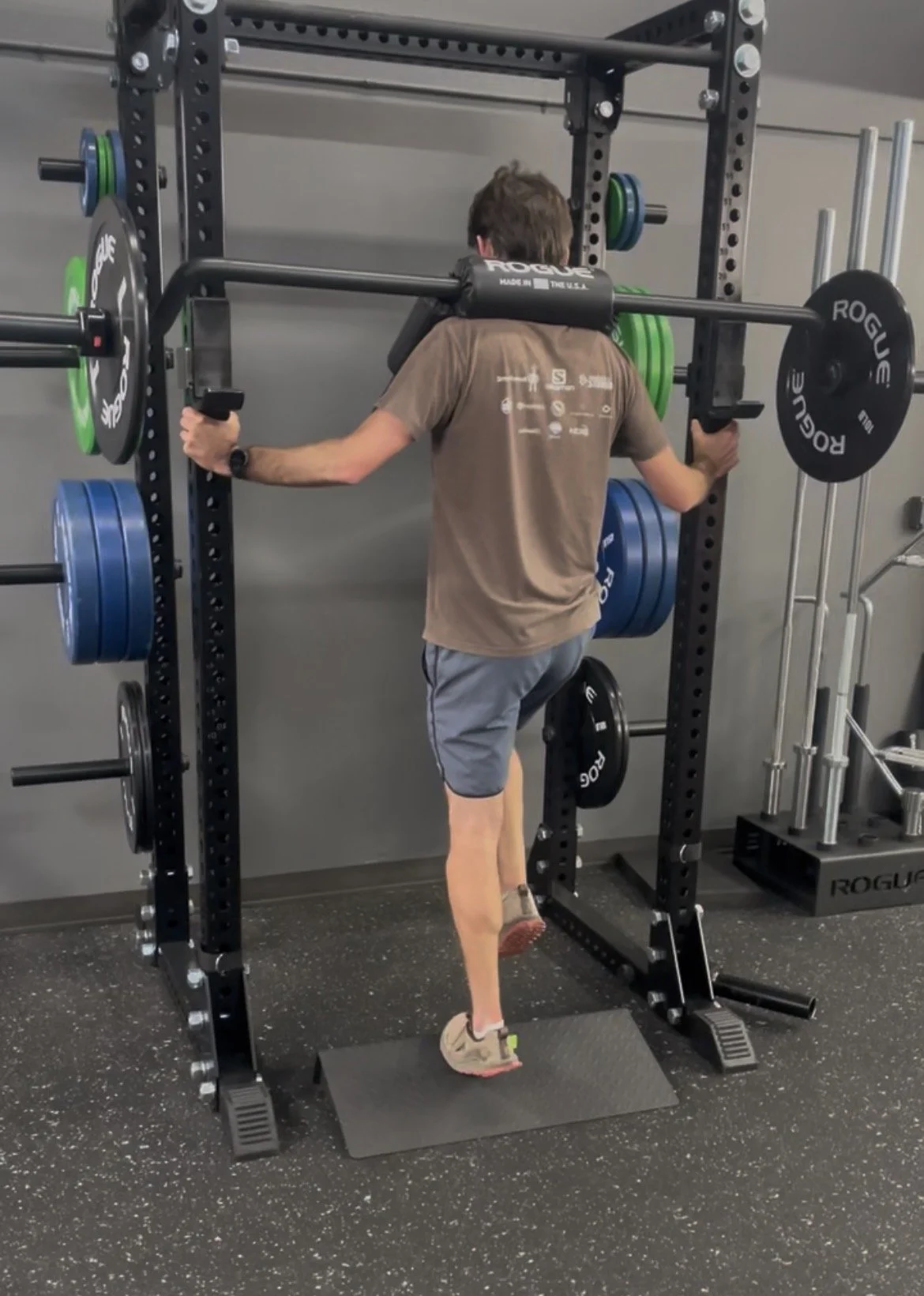
Why Your Achilles Tendinitis Isn't Getting Better
I think there’s a lot of people that rehab achilles tendinitis really well, but when I do treat runners that have tried and failed traditional physical therapy in the past, it usually comes down to one thing.

Return to Running After An Extended Break
Either influenced by medical advice, fear, or maybe an unresolved pain and injury, sometimes people hang up their running shoes for extended periods.
No matter what you’ve been told in the past, times are changing!
We’ve seen clients return to running after knee replacements, taking decades off after having children, achilles tendon repairs, and just about any lower body injury you can think of. It’s possible with the right approach.

The Quick Fix for Running Injuries
When I think about all of the resources we have in the clinic to help our runners stay running, one stands out as both remarkably simple and effective: cadence (or step rate) retraining. It's intuitive, easy to learn and practice, and has many benefits: reducing overstriding, improving our biomechanics and efficiency, reducing pressure on our knees, improving shin and IT band pain, and much more.