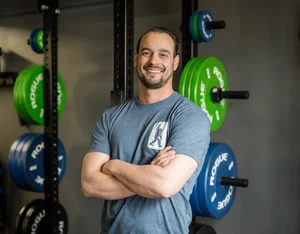
Search for a sports physical therapist in Denver and you will find a dozen clinics describing themselves as a sports physical therapy clinic for athletes.
Here is the version we would actually want if we were the ones choosing.
Seven questions that separate clinics in ways that matter, how to ask them, and an honest account of where we land on each, including the cases where we may not be your answer.
1. Is the session one on one, and is it the same person every time?
This is the first question because it determines more about your experience than anything else.

The Question to Ask: will I work with a licensed physical therapist for the full session, or will part of it be with a technician or aide? Will I see the same therapist every visit?
Many clinics run two or three patients simultaneously, with the therapist rotating between them while an aide supervises exercises in between. That model exists for a reason. Insurance reimbursement per visit has declined for years and clinics responded by increasing volume. It is not a scandal, and plenty of competent care happens inside it.
But it changes what is possible. A therapist splitting an hour three ways cannot watch every rep of your squat, and a plan handed between rotating clinicians loses detail at every handoff.
Where we land: Every session at Tundra is one on one with a doctor of physical therapy for the full appointment, and you see the same clinician through your entire plan of care. We covered what that actually looks like in What to Expect at Your First Physical Therapy Appointment.
2. What are their credentials beyond the license?
Every practicing physical therapist holds a license and nearly all now hold a doctorate. That is the floor, not a differentiator.
What tells you more is what they did after. Board certification through the American Board of Physical Therapy Specialties requires additional clinical hours and a specialty examination. The two most relevant here are OCS, orthopaedic clinical specialist, and SCS, sports clinical specialist. Strength credentials like CSCS or USAW matter if your goals involve a barbell.
The Question to Ask: what their specialty training is and what population they built their practice around. A therapist who did a sports residency is a different clinician from one who spent a decade in general outpatient care, and neither is better in the abstract. One is better for you.
Where we land: Josh is board certified in orthopaedics (OCS) and holds a USA Weightlifting (USAW-1) coaching credential. Katie completed her speciality sports training with EXOS, receiving her own XPS certification. Emily is also a board certified physical therapist passing her OCS, along with being a Certified Strength & Conditioning Specialist (CSCS) exam.
Each bring their own clinical focus, each has completed additional training in sports and orthopedic rehabilitation, and each of our therapists train in the sports our patients do.
3. Do they treat your sport, or do they treat everyone?
A clinic that says it treats athletes should be able to name the specific athletes it treats.
The demands are not interchangeable. Rehabbing a climber’s finger pulley, a skier’s knee for bump season, a powerlifter’s low back under a heavy bar, and a trail runner building back to vertical gain are four genuinely different problems requiring different endpoints. A clinic built for general orthopedic care can absolutely reduce your pain. Whether it can return you to your specific sport at your specific level is a separate question.
The Question to Ask: have you rehabbed athletes doing what I do, and what does the last phase of that plan look like?
Where we land: We work primarily with outdoor athletes, lifters, runners, and active adults in South Denver. Skiing, climbing, trail running, riding, and barbell sport are what we see most, which is why we wrote a full guide to physical therapy for outdoor athletes in Colorado.
4. Do they measure, or do they guess?
This one separates clinics faster than almost anything else.
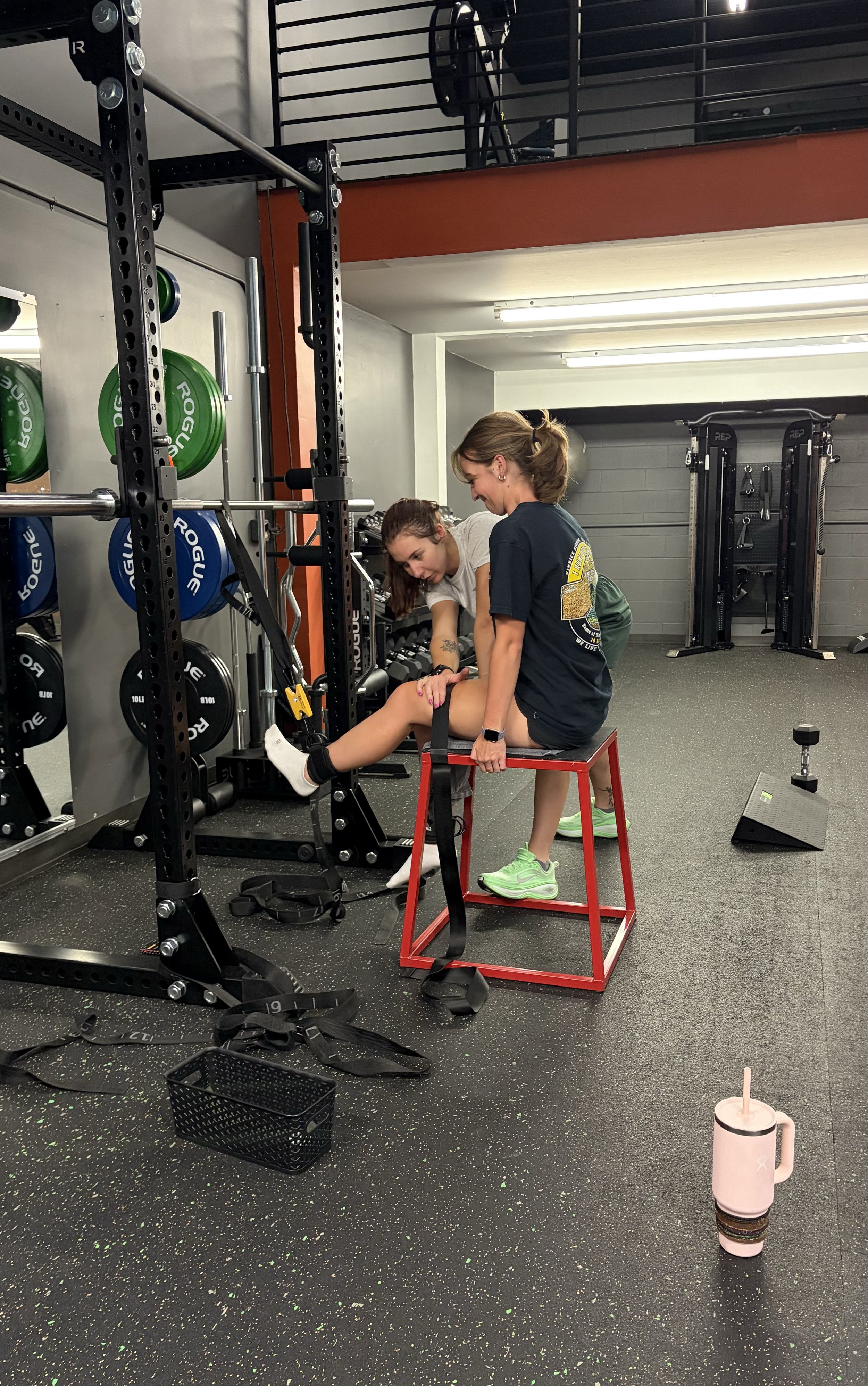
The Question to Ask: how they will track your progress. If the answer is some version of "we will see how you are feeling," that is a clinic making discharge decisions on subjective report. Feeling better is a genuine outcome and it is also an unreliable proxy for readiness, particularly after surgery, where strength deficits routinely persist well past the point where the limb feels normal.
Better answers involve objective measurement: strength testing with a dynamometer or force plate, limb symmetry percentages, functional testing batteries, and retesting at intervals so the numbers can be compared.
Ask whether you get to see your own numbers. You should.
Where we land: We test objectively at the evaluation, retest through your plan, and show you the data. Progress should be a number before it is a feeling. We wrote more about this in our resource: What We Measure at Your Evaluation.
5. Does the plan have an endpoint?
At your first visit you should get a rough answer to how many visits this will take and what you have to demonstrate to be done.
Two failure modes to watch for. The open-ended plan with no discharge criteria, where you keep coming indefinitely because nobody defined what finished looks like. And the plan that ends when your authorized visit count runs out rather than when you are actually ready, which is how people end up discharged from rehab able to walk comfortably but unable to cut, sprint, or lift.
The Question to Ask: what are the criteria for me being done, and what happens if I hit my insurance limit before I hit those criteria?
Where we land: You get a visit range and milestone criteria at the evaluation, updated as your testing changes. Because we do not bill insurance directly, no third party caps your plan of care.
6. Can they tell you what it costs before you start?
You should be able to learn what a clinic charges without booking a consultation to find out.
For cash-pay clinics this is simple, since rates are flat and publishable. For in-network clinics it is genuinely harder, because your cost depends on your deductible and plan, but a good front desk can still verify benefits and give you an estimate before your first visit. What should concern you is a clinic that cannot or will not produce a number at all.
If you are paying out of pocket, you are also entitled to a Good Faith Estimate under federal law when you schedule at least three business days out. Ask for one.
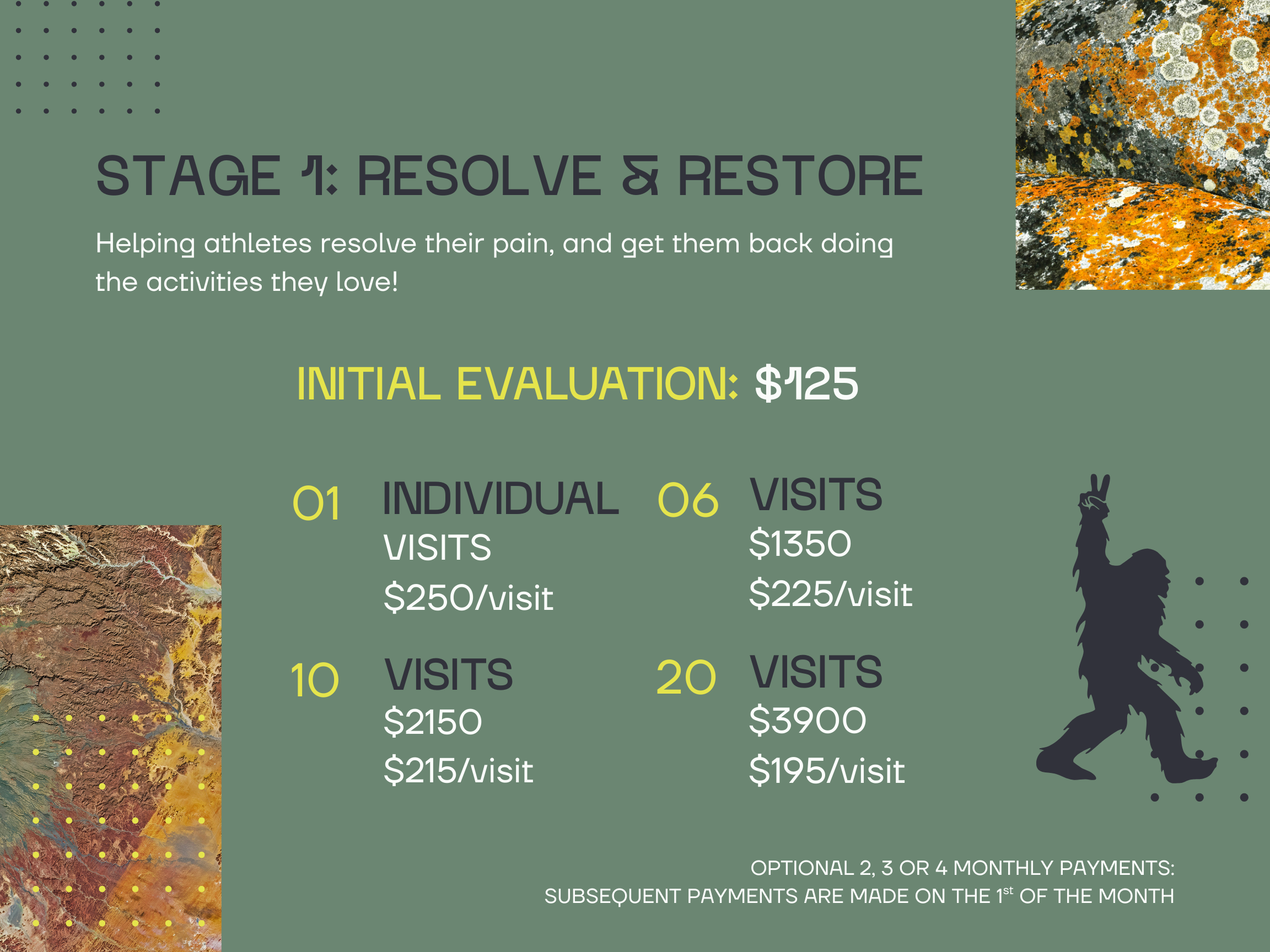
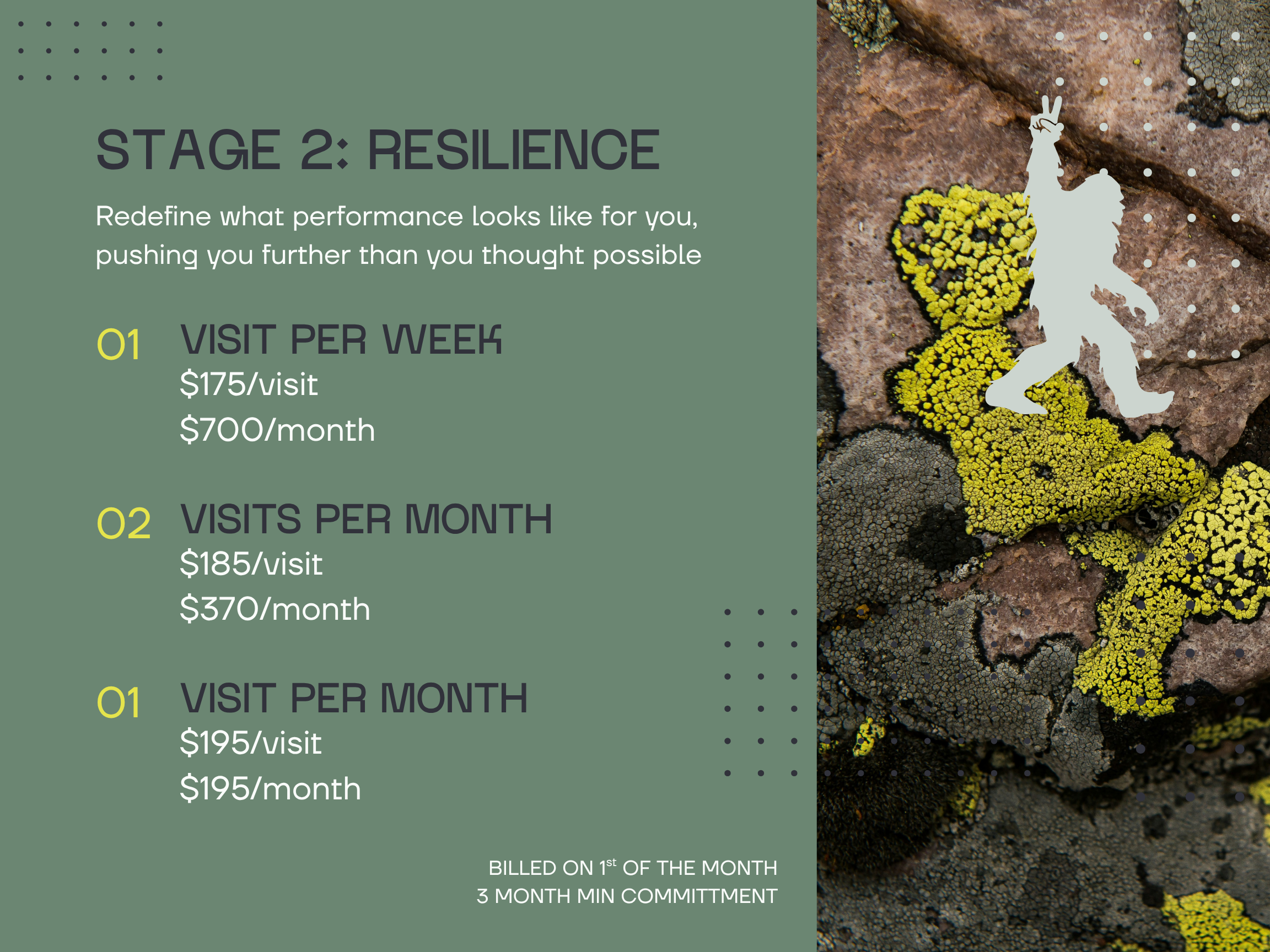
Where we land: Our rates are $125 for the initial evaluation and after that most people work with us on a package basis, published so you do not have to call and ask. We are out of network, which for some plans means partial reimbursement through a superbill and for others means none.
7. Will they tell you when you are not their patient?
The most useful signal in any consultation is whether the clinic is willing to say no.
A clinic that has an answer for every condition, every population, and every goal either has an unusually large staff or is not being straight with you. Specialization means a defined scope, and a defined scope means there are people outside it.
The Question to Ask: what kinds of patients do you refer out? A clinician who answers that question easily is one who knows what they are good at.
Red flags in any clinic
Superlative marketing with no specifics behind it
No objective measurement, so progress is only ever a feeling
A plan of care with no discharge criteria
Extended packages sold before an evaluation has happened
Being told to stop all activity indefinitely, when modifying is usually the better answer
A clinician who cannot explain their reasoning in plain language
How to run a consultation call
Most clinics worth considering, including ours, offer a free consultation. Fifteen minutes is enough if you use it well. Bring these:
Here is what happened and here is what I am trying to get back to. Have you treated this?
Will I be one on one with the same therapist every session?
How will you measure whether I am improving?
Roughly how many visits, and what do I have to hit to be done?
What will this cost me in total?
If I am not a good fit here, will you tell me?
You will learn more from how those questions get answered than from any website, including this one.
If we sound like the right fit
We are a cash-pay sports physical therapy and performance clinic in South Denver, working with outdoor athletes, lifters, runners, and active adults. One on one with a doctor of physical therapy, objective testing, and rehab that finishes by looking like training.
Book a free 15-minute consultation or call (720) 619-0512. We are at 2175 S Jasmine St #103, Denver, CO 80222, serving Denver, Glendale, Cherry Creek, Englewood, Centennial, and the surrounding south metro.
FAQ section
-
Look past marketing claims and ask specific questions: whether sessions are one on one with the same therapist, what specialty certifications the clinician holds, whether they treat your sport, how they measure progress objectively, what the discharge criteria are, and what the total cost will be.
-
All physical therapists are trained in musculoskeletal rehabilitation. A sports-focused clinician builds the plan around returning you to a specific activity at a specific level, which means testing under sport-relevant load and using return-to-sport criteria rather than general function as the endpoint.
-
OCS stands for orthopaedic clinical specialist, a board certification from the American Board of Physical Therapy Specialties requiring additional clinical hours and a specialty examination beyond the doctorate and license.
-
It depends on your benefits and your goals. If you have strong in-network coverage and a met deductible, in-network care may cost less. Cash-pay clinics generally offer longer one-on-one sessions with no insurance-imposed visit limits, which often means fewer total visits.
-
Ask whether sessions are one on one with the same clinician, what their specialty training is, whether they have treated athletes in your sport, how progress is measured, how many visits to expect, what the discharge criteria are, what it will cost, and what kinds of patients they refer out.
Helping athletes RESOLVE THEIR PAIN by CLEARLY DEFINING THE PROBLEM and IMPLEMENTING EFFECTIVE SOLUTIONS to get them back doing the activities they love!
If you are currently struggling with an injury or unable to perform in the activities you enjoy. Please follow the link to schedule a consultation call to discuss how we can help you.