What to Expect at Your First Physical Therapy Appointment
Most people walk into their first physical therapy appointment with no idea what is about to happen. They have heard the stories. Fifteen minutes with a therapist, forty-five minutes on a table with a heat pack, three other patients in the room, and a printout of exercises they will never do.
That is a real experience a lot of people have had. It is not the one you are going to have here.
Here is exactly what happens at your first appointment with us, start to finish, so you can show up knowing what you are walking into.
How long is a first physical therapy appointment?
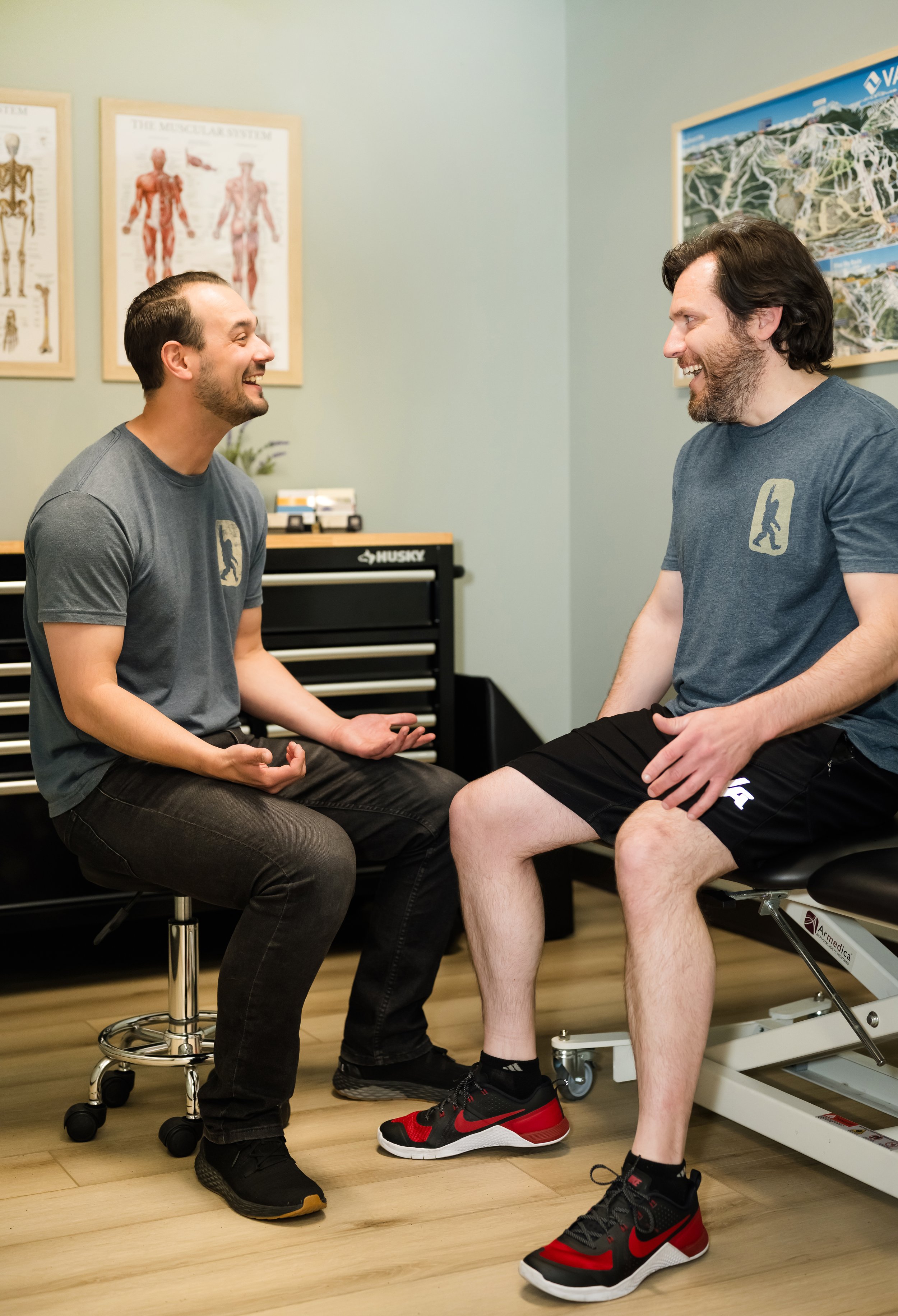
Your initial evaluation is a full 60 minutes, one on one, with a doctor of physical therapy.
Not a tech. Not a shared session.
The same person who evaluates you is the person who treats you, and it stays that way for the rest of your plan of care.
That structure matters more than it sounds. A full hour is what it takes to actually test a shoulder under load, watch you squat, run you through a movement screen, and still leave time to treat you on day one. When a clinic books three patients into the same hour, the evaluation gets compressed into whatever fits, and the plan that comes out of it is generic by necessity.
What happens during the evaluation
1. We talk first
The conversation is the most important part of the visit and it is the part most clinics rush. We want the full story: when it started, what you were doing, what makes it better, what makes it worse, what you have already tried, what imaging or opinions you have had.
Then we get to the part that shapes everything else. What are you actually trying to get back to? "Get out of pain" is a starting point, not an end goal. Skiing bumps at Loveland by January is a goal. Deadlifting 315 without your back locking up is a goal. Finishing a 50K in the fall is a goal. The target changes the entire plan, and we want to know where you want to go.
2. We test and measure
Next we build an objective picture. Depending on what brought you in, that includes:
Range of motion at the involved joint and the joints above and below it
Strength testing, often with objective measurement rather than a manual guess
Special tests to rule specific structures in or out
A neurological screen if your symptoms suggest one is needed
Sport Specific and Movement assessments: squatting, hinging, pressing, single leg work, running mechanics, or whatever your sport actually demands
This is where a sports and performance clinic looks different from a general outpatient clinic. Testing your shoulder range of motion while you lie on a table tells us something. Watching what your shoulder does under a loaded overhead press tells us considerably more, because that is where your symptoms actually live.
3. We tell you what is going on
Before you leave, you get a clear explanation of what is driving your symptoms and why. In plain language, with the reasoning shown.
You should never leave an evaluation unsure of what your therapist thinks is wrong. If that happens, ask directly. Any good clinician will welcome the question.
4. We start treatment the same day
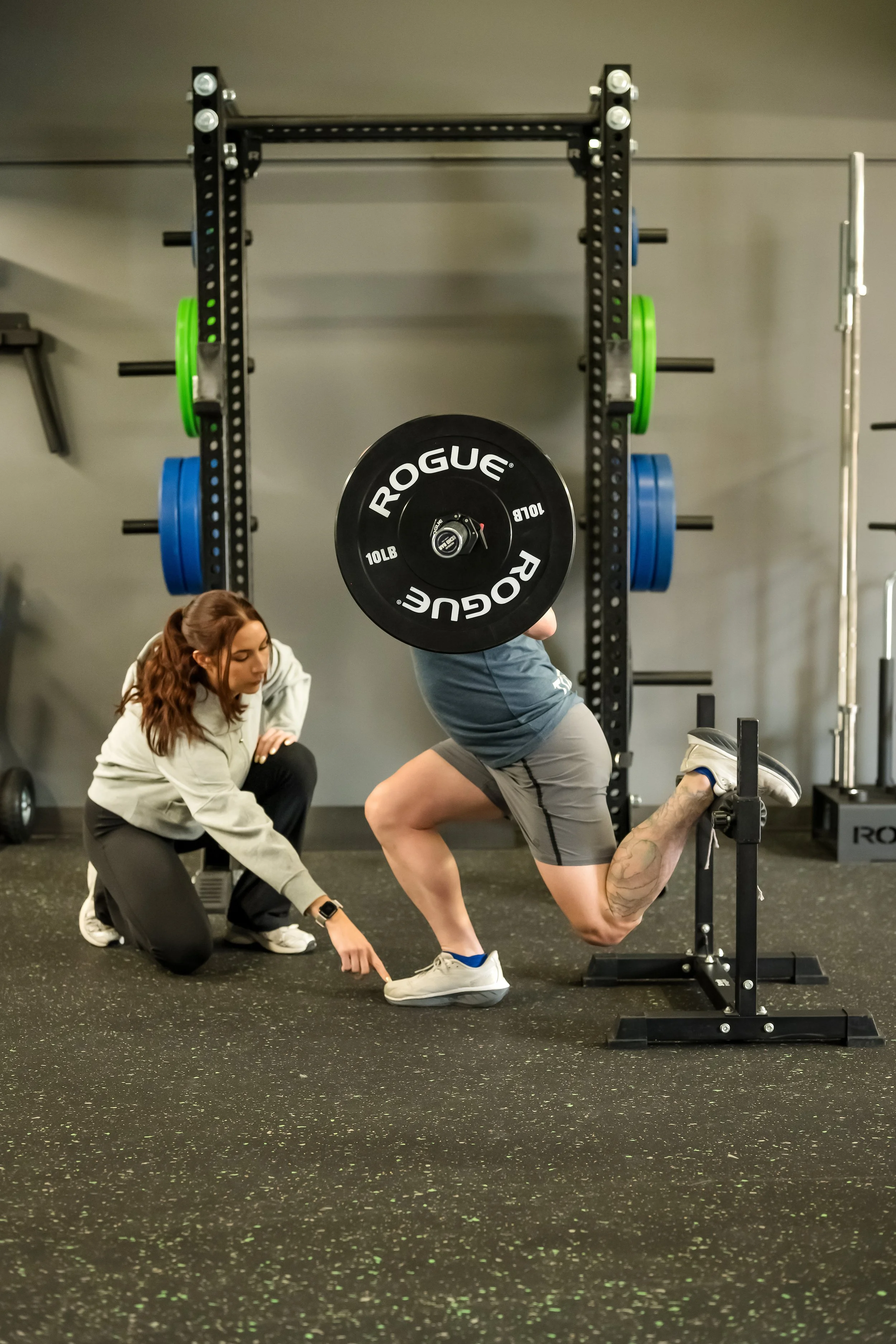
You do not come in, get measured, and get sent home to wait for a plan. Treatment starts at the first visit.
That might be manual therapy, dry needling, loading the tissue, a specific movement correction, or a combination. You will leave having done something, and leave feeling better than when you walked in.
5. You leave with a plan
Before you go, you will know how many visits we expect, how often, what the milestones are, and what you are doing between sessions. The home program is targeted and specific. Three or four things that matter, not a twelve-exercise packet that gets abandoned by Thursday.
This can extend to as far as a whole gym program.
We believe in providing the resources and materials you need to be successful both in our sessions and out.
What should I wear to physical therapy?
Wear what you would wear to move.
Shorts if the problem is anywhere in your lower body, since we need to see how your legs move. A tank top or a shirt you are comfortable moving in if the problem is your shoulder, neck, or back. Bring your training shoes, and if you are a runner, bring the pair you actually put miles on. The wear pattern can sometimes tell us something.
What should I bring?
Any imaging reports or surgical notes you have, if you have had them
A list of what you have already tried, including previous PT
Your training program or race calendar, if you have one
Do I need a referral to start physical therapy?
In Colorado, no.
Colorado is an unrestricted direct access state, which means you can be evaluated and treated by a licensed physical therapist without a physician referral. There are a few situations where a referral still matters, mostly related to specific insurance plans, and we cover those in detail in our guide to direct access in Colorado.
Practically, it means you can book an appointment today instead of waiting three weeks for a primary care visit before someone tells you to go to physical therapy.
Will I have to stop training?
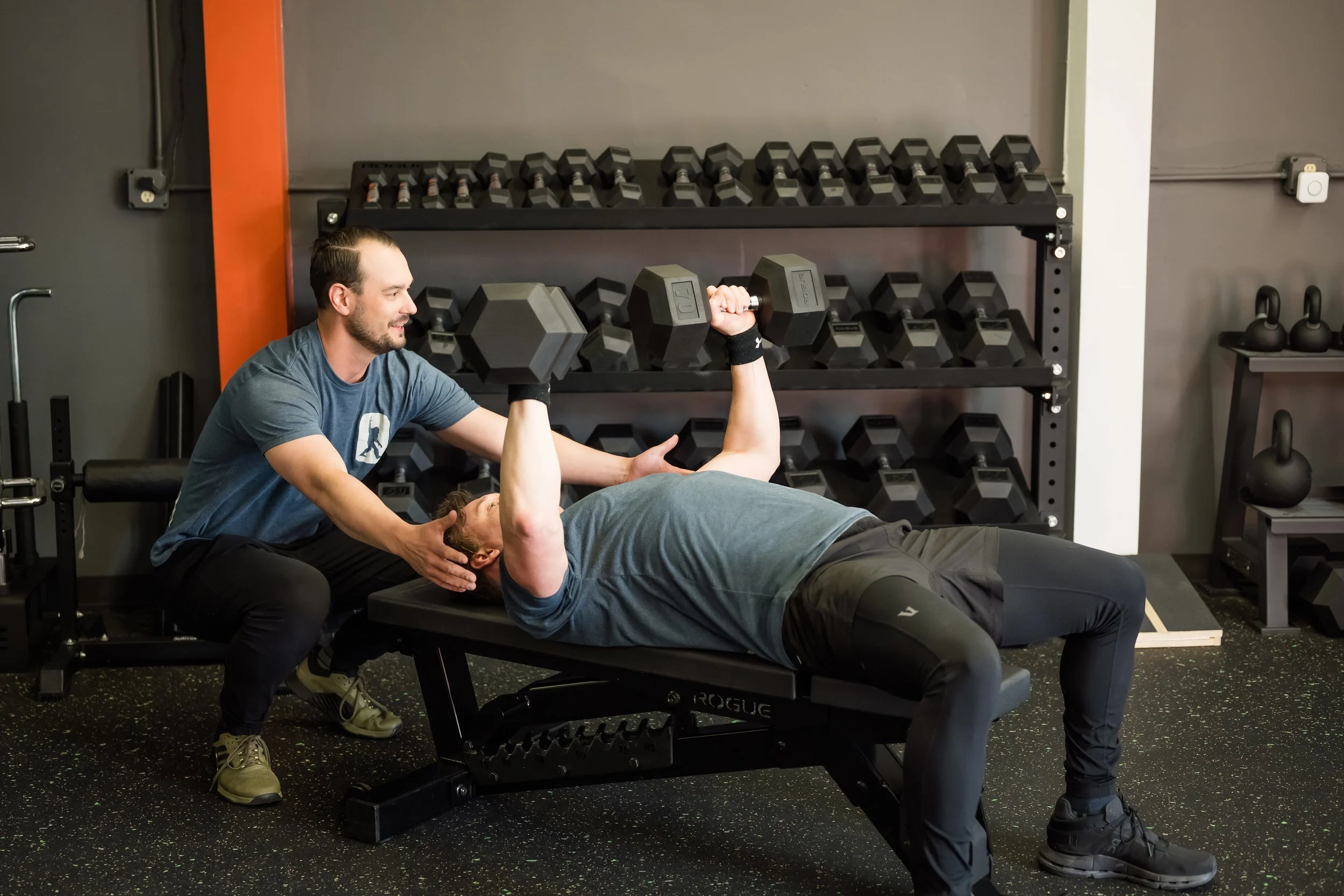
Usually not, and this is one of the biggest differences in how we work.
Complete rest is the right call for certain acute injuries, but it is prescribed far more often than it is actually warranted. In most cases the goal is to modify what you are doing, keep training the parts of you that are healthy, and load the injured tissue appropriately rather than avoiding it entirely.
We wrote a full piece on this: Being in PT Shouldn't Stop You From Training.
How many appointments will I need?
It depends on what is wrong, how long it has been going on, and what you are returning to. A straightforward tendinopathy caught early might be a handful of visits. A post-surgical ACL rehab returning to sport is a months-long process with distinct phases.
What you should expect from any therapist is a straight answer with a range, given at the first visit and updated as your data changes. Vague open-ended plans of care with no endpoint are a red flag.
What happens after the first visit?
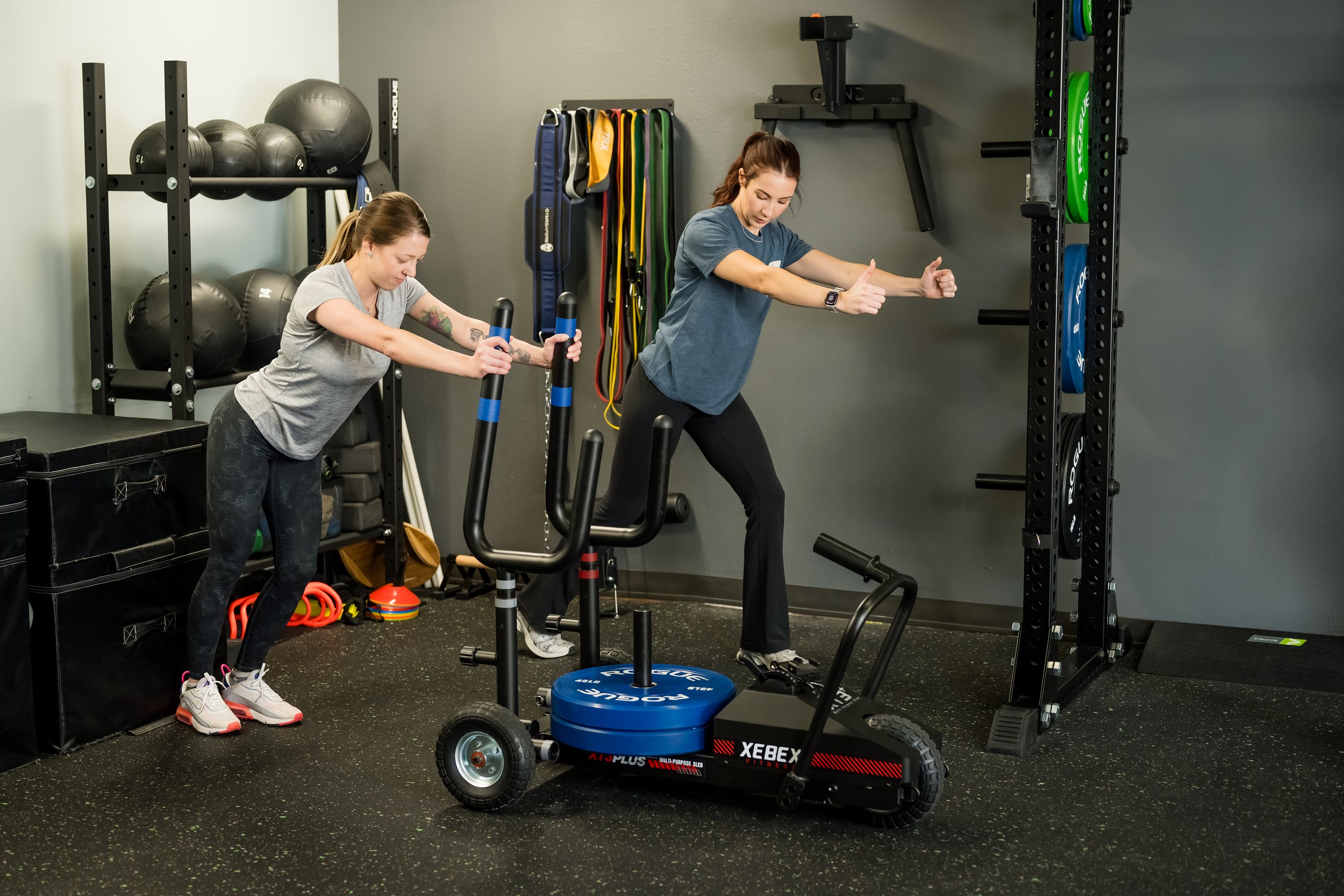
Follow-up sessions are the same structure: one on one, same therapist, full session. We retest the measures we took at the evaluation so progress is a number rather than a feeling, adjust the plan, and progressively load you back toward your actual sport.
Toward the end, the work stops looking like rehab and starts looking like training, because that is the point. Returning to sport is not the absence of pain. It is the presence of capacity.
Ready to book?
We offer a free 15-minute consultation if you want to talk through your situation before committing to an evaluation. It is a real conversation with a physical therapist, not a sales call, and if we are not the right fit for what you need, we will tell you and point you somewhere better.
Schedule your appointment or call us at (720) 619-0512.
We are at 2175 S Jasmine St #103, Denver, CO 80222.
FAQ
How long is a first physical therapy appointment? At Tundra Performance, your initial evaluation is a full 60 minutes, one on one with a doctor of physical therapy, which includes your history, objective testing, movement assessment, and same-day treatment.
What should I wear to my first physical therapy appointment? Wear clothing you can move in. Shorts for lower body issues, a tank top or loose shirt for shoulder, neck, or back issues, and bring your training shoes.
Do I need a doctor's referral for physical therapy in Colorado? No. Colorado is an unrestricted direct access state, so you can be evaluated and treated by a licensed physical therapist without a physician referral. Some insurance plans have their own referral requirements for reimbursement.
Does physical therapy hurt? Some assessment and treatment can reproduce your symptoms, because we need to find what provokes them. Treatment should be challenging, not damaging, and your therapist should adjust based on your feedback throughout.
Will I get treatment at my first visit? Yes. Treatment begins during the initial evaluation, and you will leave with a home program and a clear plan.
Helping athletes RESOLVE THEIR PAIN by CLEARLY DEFINING THE PROBLEM and IMPLEMENTING EFFECTIVE SOLUTIONS to get them back doing the activities they love!
If you are currently struggling with an injury or unable to perform in the activities you enjoy. Please follow the link to schedule a consultation call to discuss how we can help you.