Why It’s Important to Have a Training Program
I’ve had many discussions with runners, weightlifters, and other hybrid athletes about programming in the past few months and wanted to share a few insights on why programming is so important to success in training.
Frankly, following any program is better than not. Planning and tracking your sessions over time is the best way to guarantee that you progress towards your goals, cover your bases, and that you’re not leaving anything on the table that might be integral to your success. However, there is nuance to programming, and it should be specific to the individual. Training plans are not a one-size-fits-all situation, and I encourage proceeding with caution on programs found on the internet, especially if you’re new to following one.
Programming Benefits
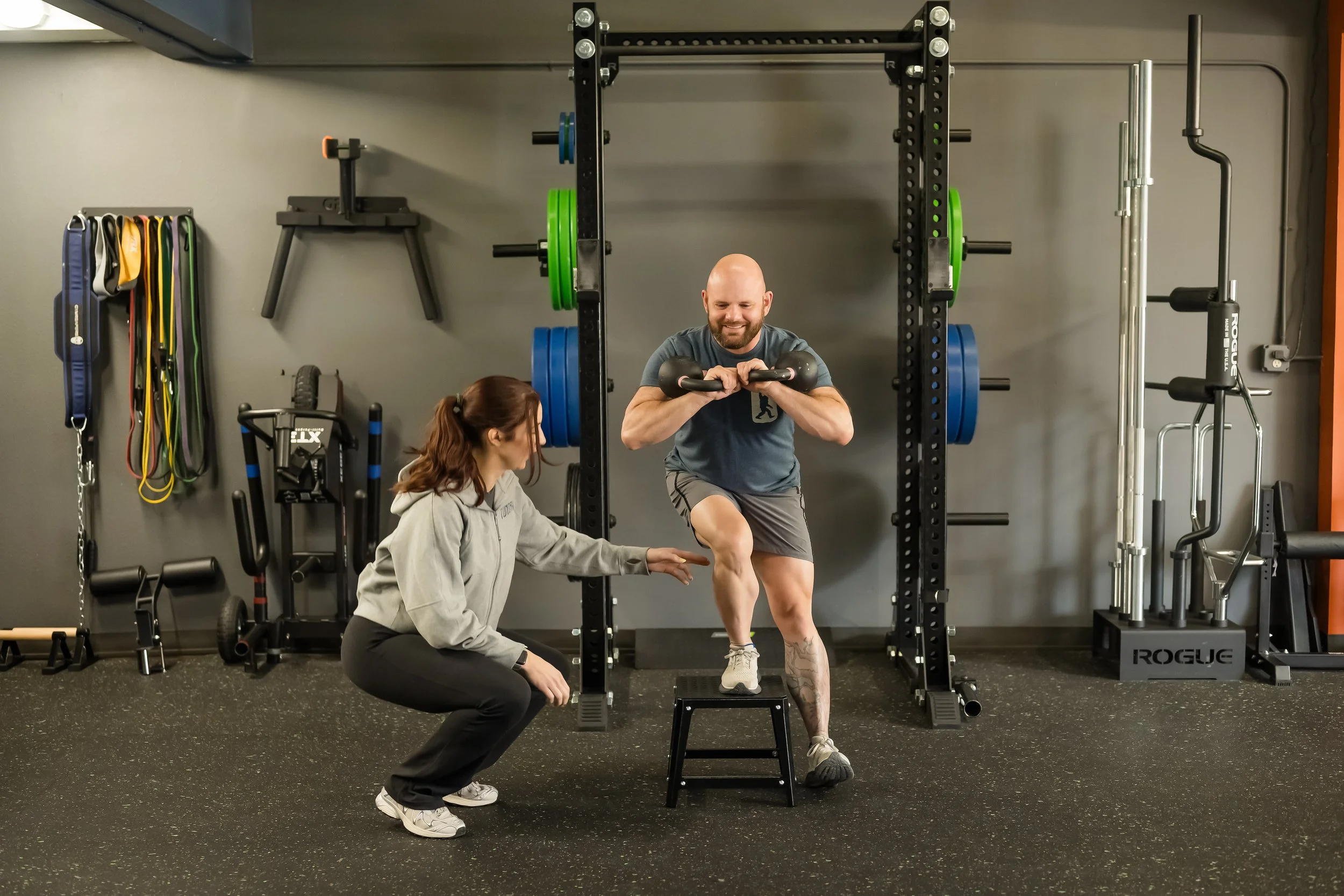
The first thing training programs accomplish is ensuring that you are covering all your bases and are efficient in doing so. Think of training programs as a roadmap to your end goal. Having your sessions planned in advance over a given period of time means you can plan accordingly for the tasks you need to complete. It takes the guesswork out of training, which can be a barrier for many individuals. Get in, get your list of things done for the day, and get out. No walking around to random machines and doing a few sets of exercises here and there, and never making any real progress.
If you’re training for multiple things at once, programs are the best way to delegate and manage your time, energy, and resources to effectively hit all your benchmarks across a training week. For people who want to lift weights and run, or cycle, or train for Hyrox, which includes nine events total, it can be intimidating to know how to train hard enough, while making progress, without having to train for each thing everyday. Having a set plan is the best way to keep your training organized without being overwhelming.
Programming Insights
From a rehab standpoint, training programs are helpful in addressing any lingering injuries or deficits that need extra attention or may otherwise be ignored. For example, a runner with a history of chronic knee or Achilles pain would benefit from targeted intervention while they are also running so they don’t drop out of their marathon training halfway through.
Programs can be helpful in retrospect to identify a specific time period, exercise progression, and phase where things might have resulted in injury. Programming does not guarantee linear progress or prevent all injuries, but it makes it much easier to identify why, when, and how setbacks occur. By providing structure and measurable progression, a program can also reduce the likelihood of those setbacks occurring in the first place.

A training plan should be individualized to the person doing it, and considerate to their fitness level, specific goals, and how much time they want to dedicate to training. The magic of working with a professional is that your program will be specific to you. This allows for more flexibility to fit your lifestyle, will meet your needs more efficiently than generic programs, and ensures that important aspects aren't ignored simply because they're easy to overlook or less enjoyable to train.
Programming as Physical Therapists
As physical therapists who also provide training and programming services to many of our clients, we have a unique opportunity to help people continue working towards their goals while also addressing rehab needs. The beauty of collaborating rehab and training is that they don’t have to be separate entities. A lot of the time, training is perfectly appropriate in the presence of pain and injury, as long as the programming is safe and considerate to the needs of the individual.
If you're dealing with an injury or limitation that affects your training, considering a new fitness challenge, training without a structured plan, or unsure whether your current program is serving you effectively, consult a qualified professional. An individualized approach will ensure you train safely, make more consistent progress, and address needs that might otherwise go unnoticed.
Key Takeaways:
A program beats no program. Following any structured plan eliminates guesswork, ensures you cover all your bases, and makes progress measurable — especially for athletes juggling multiple training goals at once.
Programming is a diagnostic tool. A training log makes it easier to pinpoint when, why, and how injuries or setbacks occur — and a well-designed program reduces the likelihood of them happening in the first place.
Individualization is what makes a program work. Generic programs found online can be a starting point, but a plan tailored to your goals, fitness level, and lifestyle — ideally with professional guidance — is what drives consistent, safe progress.
Helping athletes RESOLVE THEIR PAIN by CLEARLY DEFINING THE PROBLEM and IMPLEMENTING EFFECTIVE SOLUTIONS to get them back doing the activities they love!
If you are currently struggling with an injury or unable to perform in the activities you enjoy. Please follow the link to schedule a consultation call to discuss how we can help you.