

Back Pain Physical Therapy in Denver
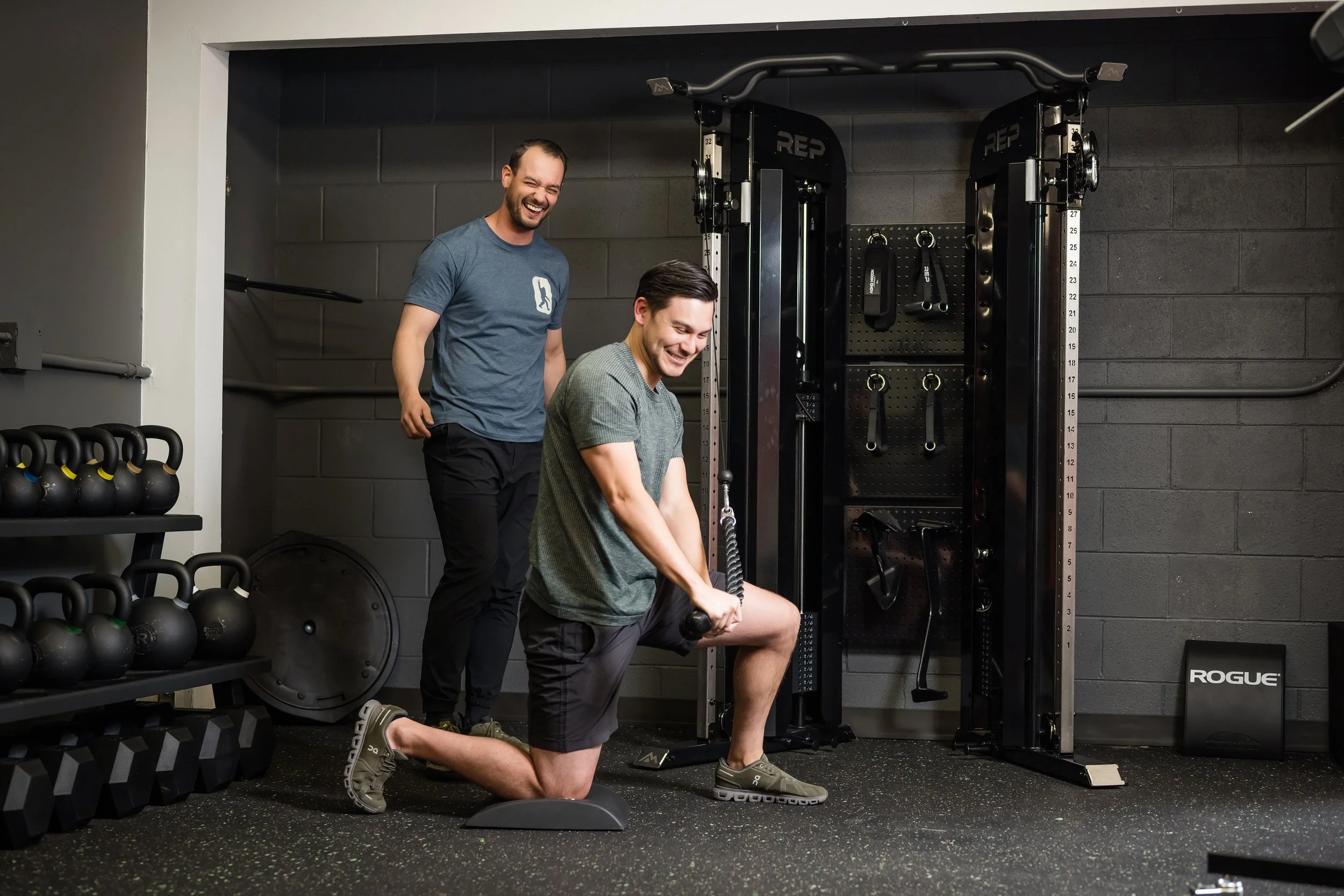
Back Pain Doesn’t Mean You Have to Stop
Back pain is one of the most common reasons athletes and active people walk into our clinic. Whether it started with a heavy deadlift, a long day on the trails, or just showed up one morning, back pain changes everything — how you move, how you train, and how you feel about your body.
At Tundra Performance and Physical Therapy, we take a different approach to back pain. We don’t just chase the symptoms. We find what’s driving the problem, build a plan to fix it, and get you stronger than you were before your back started hurting.
Lifting-Related Back Pain
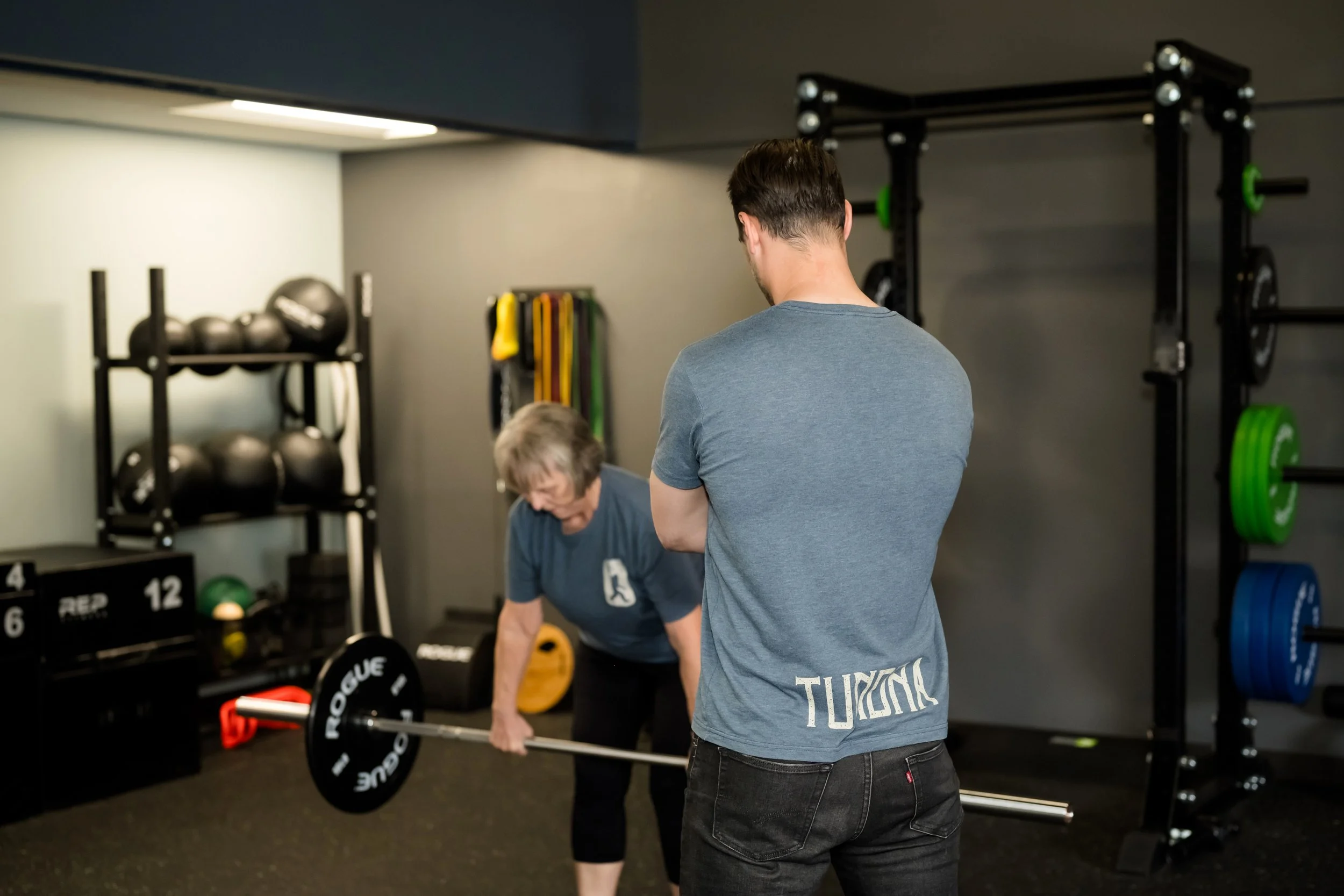
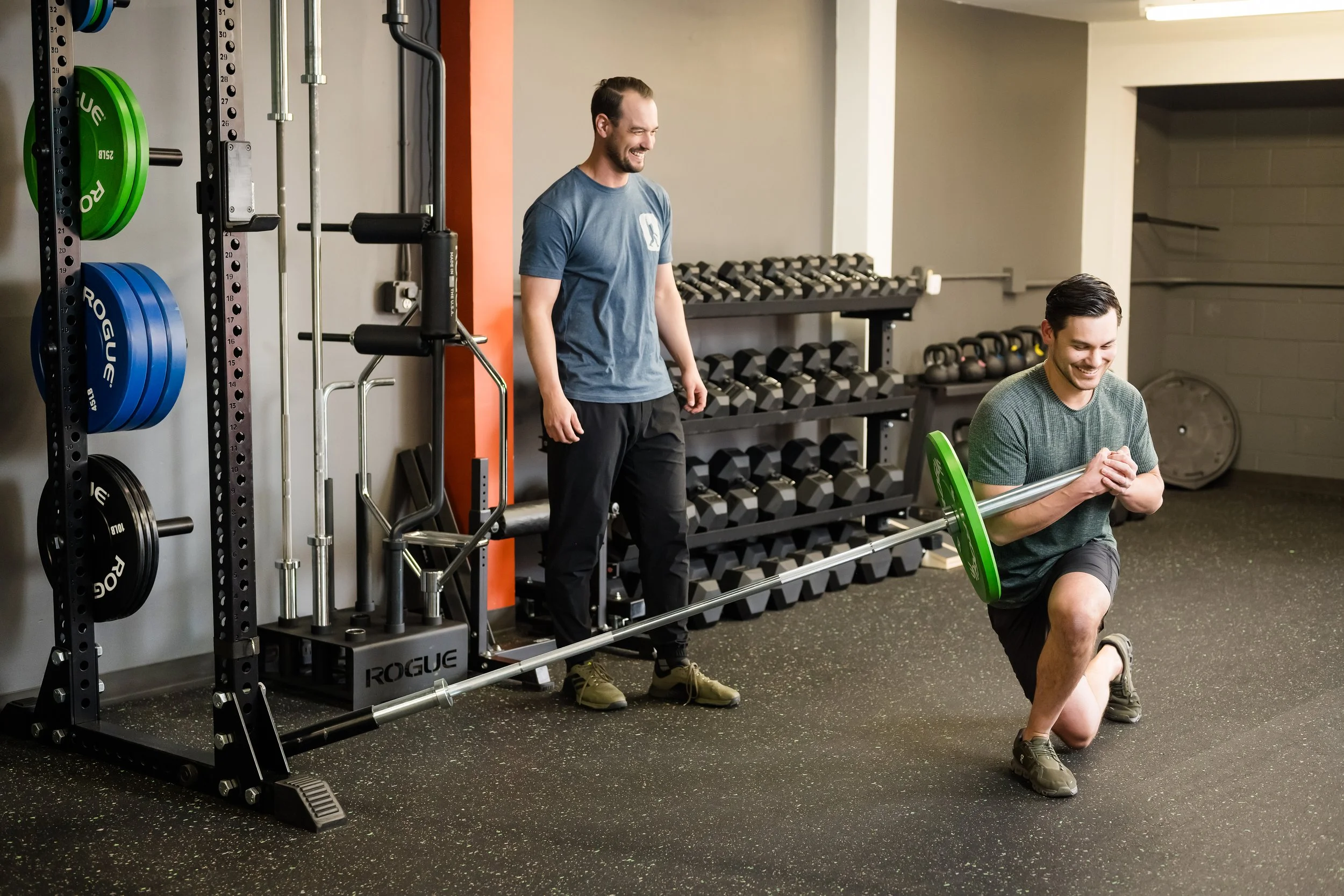
Deadlifts, squats, cleans — we love them. We use them ourselves in your rehab. If your back hurts during or after lifting, we evaluate your movement, identify the weak links, and build a plan that keeps you under the bar.
Spinal Stenosis
Narrowing of the spinal canal can cause back and leg pain, especially with walking and standing. Our approach focuses on flexibility, core stability, and activity modification to keep you as active as possible.
Common Back Pain Conditions We Treat
Disc Injuries (Herniations and Bulges)
Disc herniations and bulges can cause localized back pain, radiating leg pain (sciatica), or both. We use a combination of directional preference exercises, manual therapy, and progressive loading to reduce symptoms and build tolerance. Most disc injuries respond well to conservative treatment, and when surgery is a consideration, we work collaboratively with your physician to determine the best path forward.
SI Joint Dysfunction
The sacroiliac joint sits at the base of your spine and connects to your pelvis. When it’s irritated, it can cause deep, aching pain in the low back and buttock. We address the underlying stability and muscle imbalances that contribute to SI joint problems.
Muscle Strains and Spasms
Acute back muscle strains from lifting, twisting, or overexertion are common. While they often resolve quickly, recurrent strains signal an underlying weakness or movement pattern issue that needs to be addressed. We treat the acute pain and fix the root cause.
Post-Surgical Spine Rehab
Lumbar fusions, discectomies, and other spinal procedures require specific rehabilitation. We work collaboratively with your surgeon and progressively rebuild your spine’s strength and tolerance for the activities you want to return to.
Your Recovery Strategy
-
Thorough assessment
We evaluate your movement, your strength, and your history to understand what’s actually causing the pain. Not just where it hurts, but why.
-
Manual therapy
Soft tissue work, joint mobilization, and dry needling to reduce pain and restore movement in the short term.
-
Progressive loading
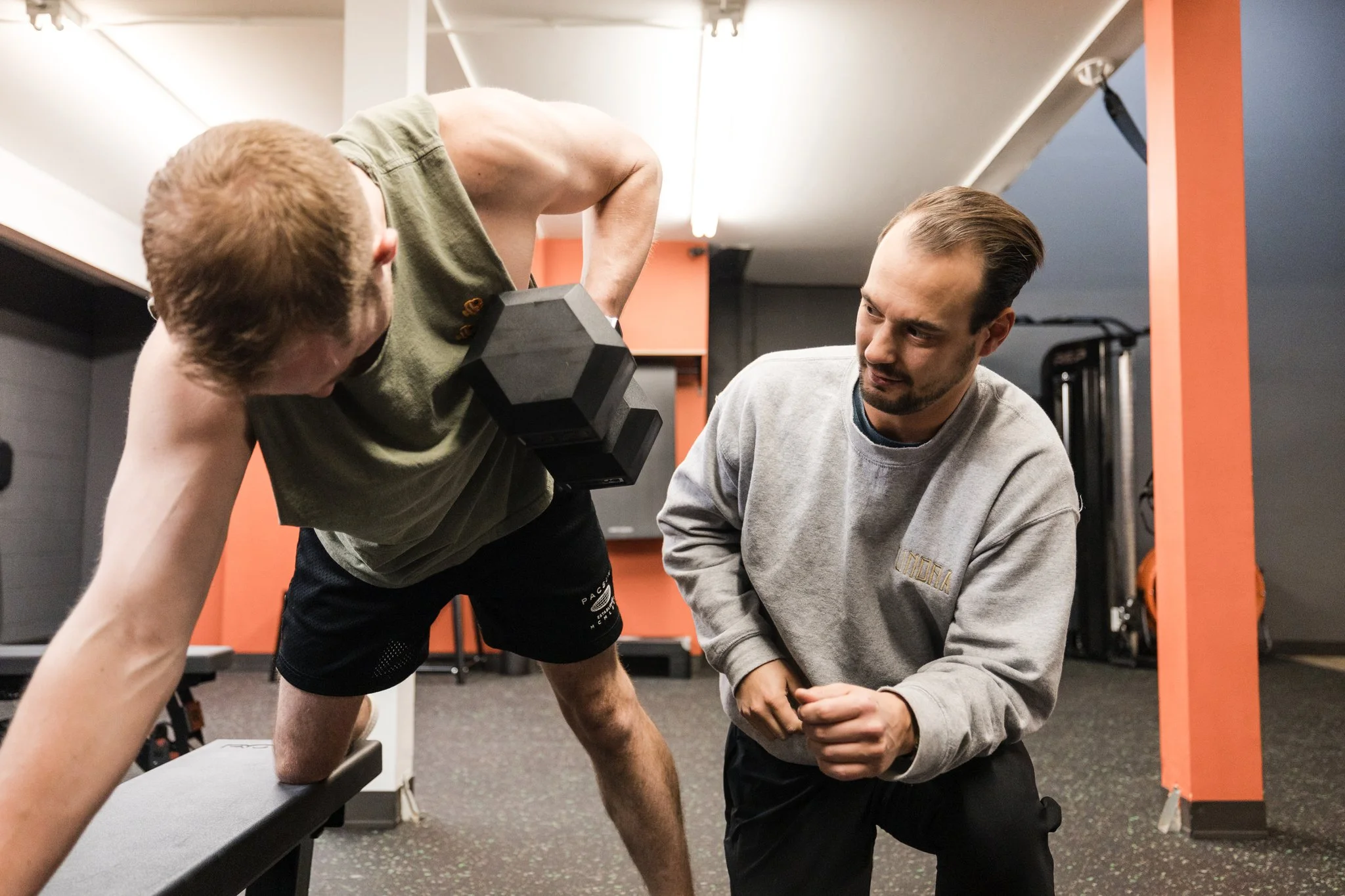
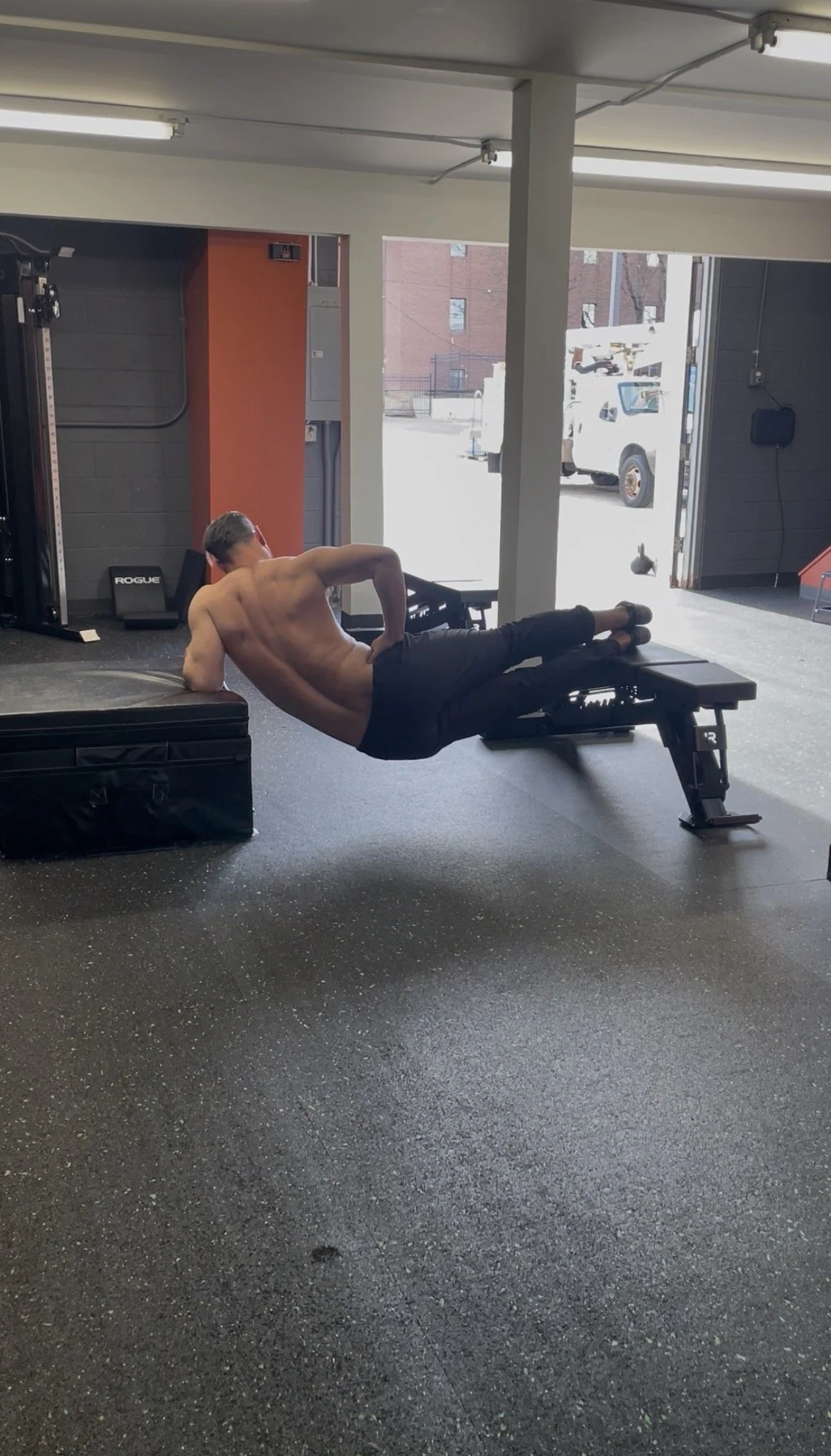
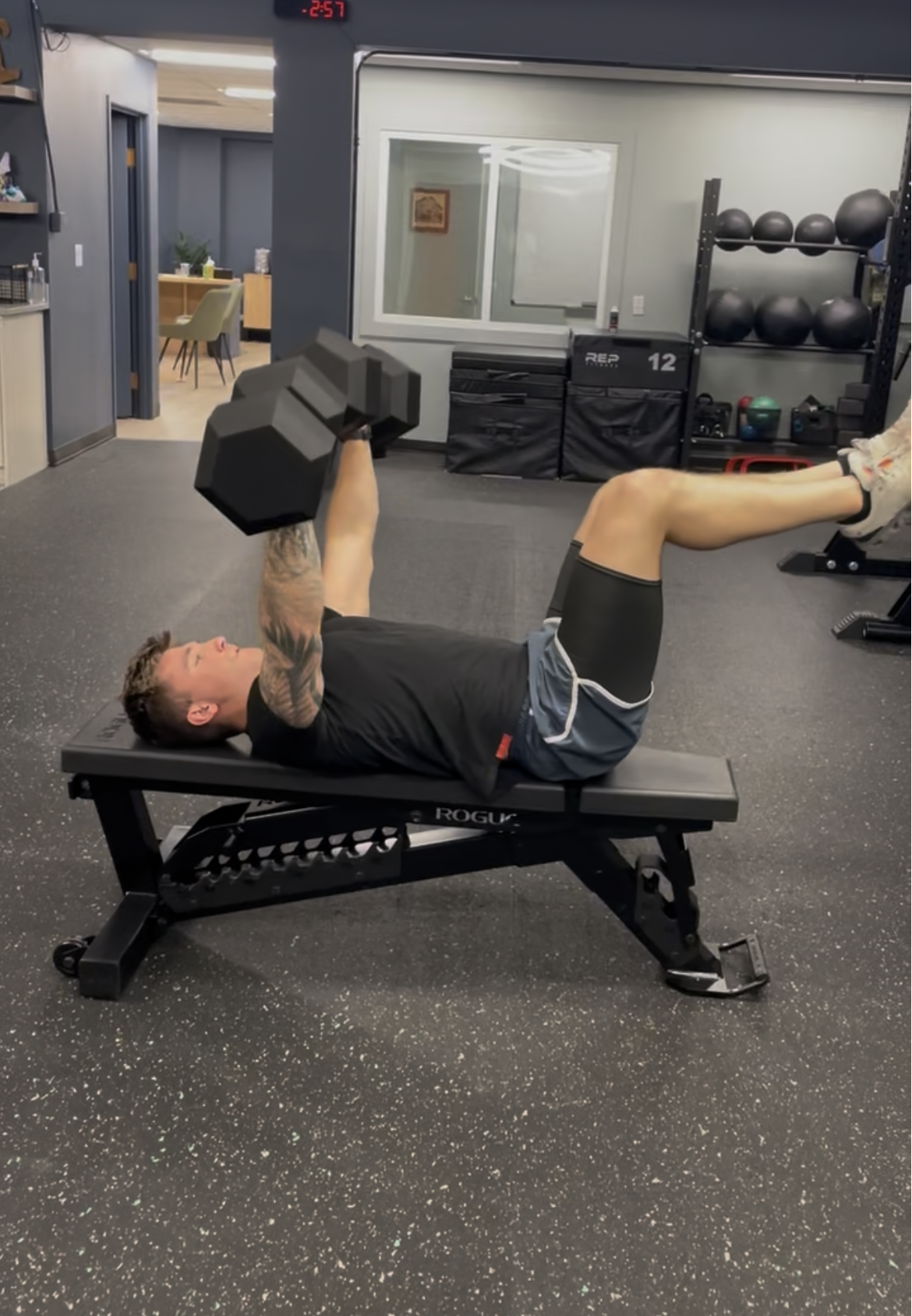
This is where the magic happens. We systematically build your spine’s capacity to handle load through deadlifts, carries, core work, and functional movements. A strong back is a resilient back.
-
Movement education
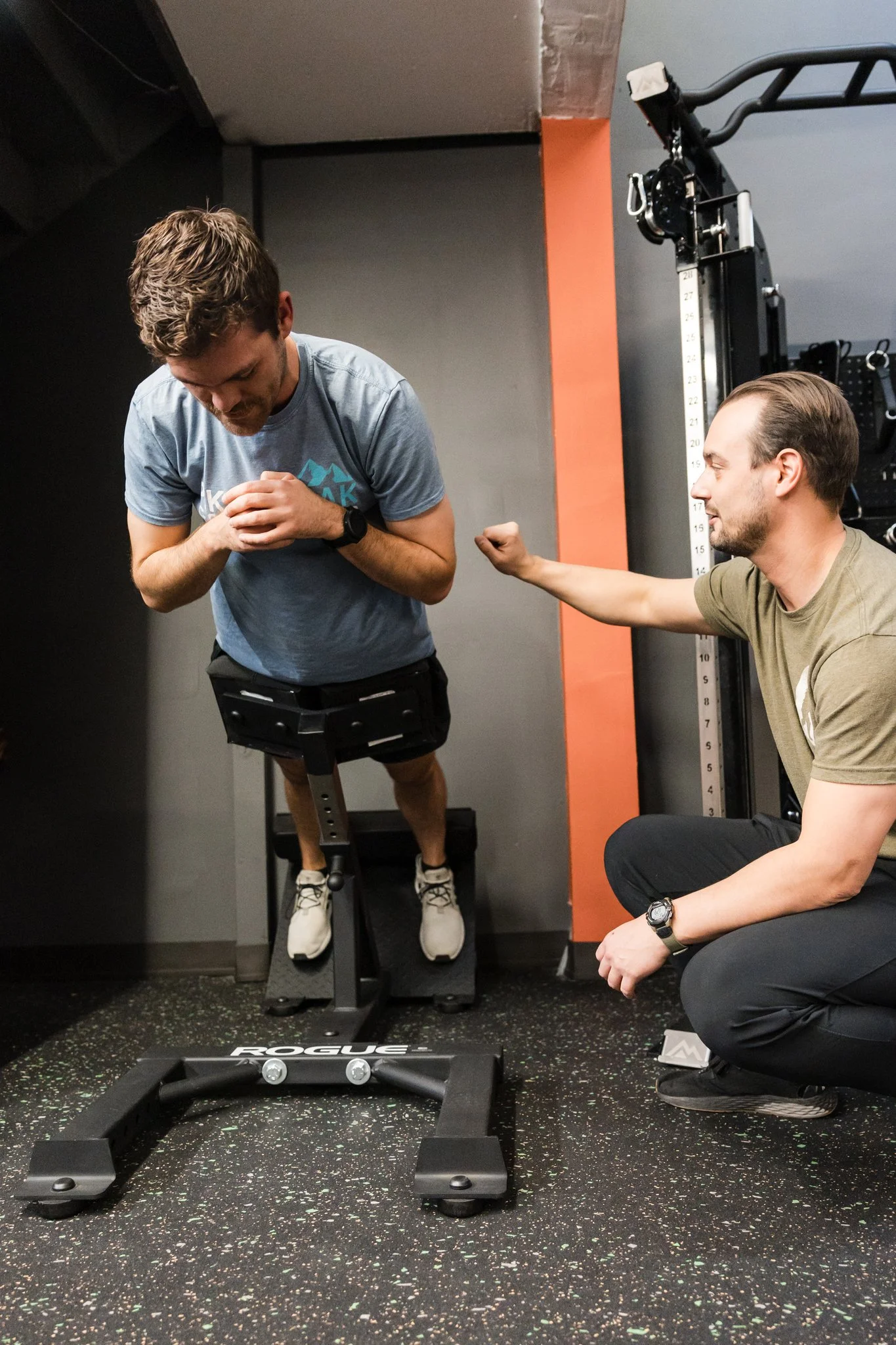
We coach you through the movement patterns that matter for your life and your sport. Hinge mechanics, bracing strategies, and lifting technique are all part of the program.
-
Long-term strength plan
Our goal isn’t just to get you out of pain — it’s to make sure you don’t come back. We transition from rehab into performance training so your back can handle whatever you throw at it.
Who We Work With for Back Pain
Weightlifters and powerlifters — Back pain is the most common complaint among lifters. We understand barbell mechanics and help you keep lifting.
Trail runners and hikers — Long days on uneven terrain requires different considerations. We build the endurance and stability your back needs for the mountains.
Desk workers who train hard — Sit all day and still want to squat heavy? We address both sides of the equation.
Post-surgical patients — Whether it’s been weeks or years since your surgery, we meet you where you are and build you back.
Take Control of Your Back Pain
Frequently Asked Questions
-
Not necessarily. In most cases, we can modify your training to keep you active while addressing the pain. Complete rest often makes back pain worse, not better. We help you find the right balance.
-
Usually not right away. Clinical examination guides our treatment in most cases. If your symptoms suggest something that would change our approach, we can order imaging directly. Many findings on MRI (disc bulges, degeneration) are normal and don’t correlate with pain.
-
Acute episodes often improve significantly in 2–6 weeks. Chronic back pain may take longer but responds well to progressive strengthening. The key is building capacity so the pain doesn’t keep coming back.
-
In many cases, yes — with proper progression and technique. Deadlifts are actually one of the best exercises for building a resilient spine. We start with modified versions and progress based on your tolerance and mechanics.
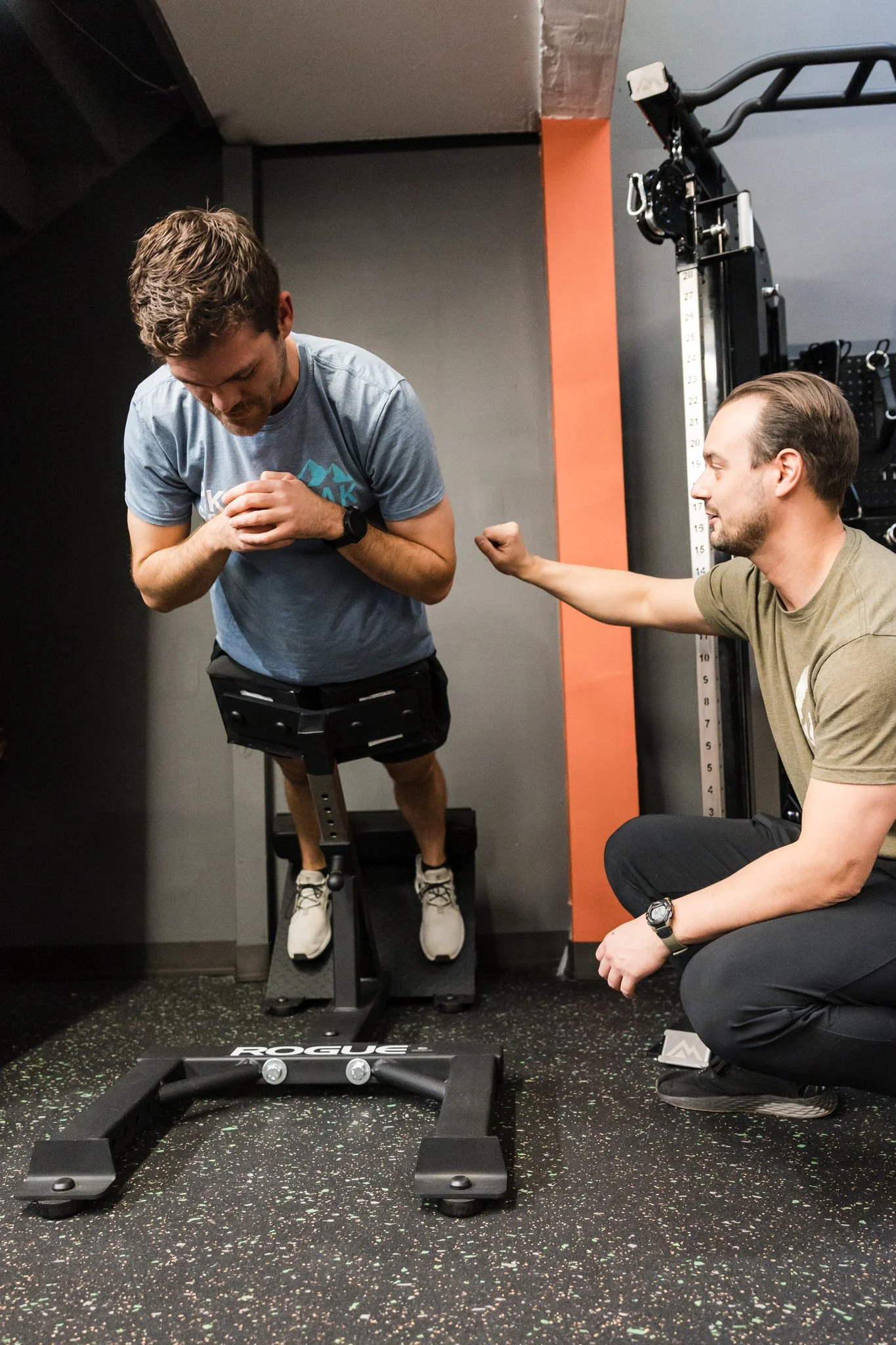

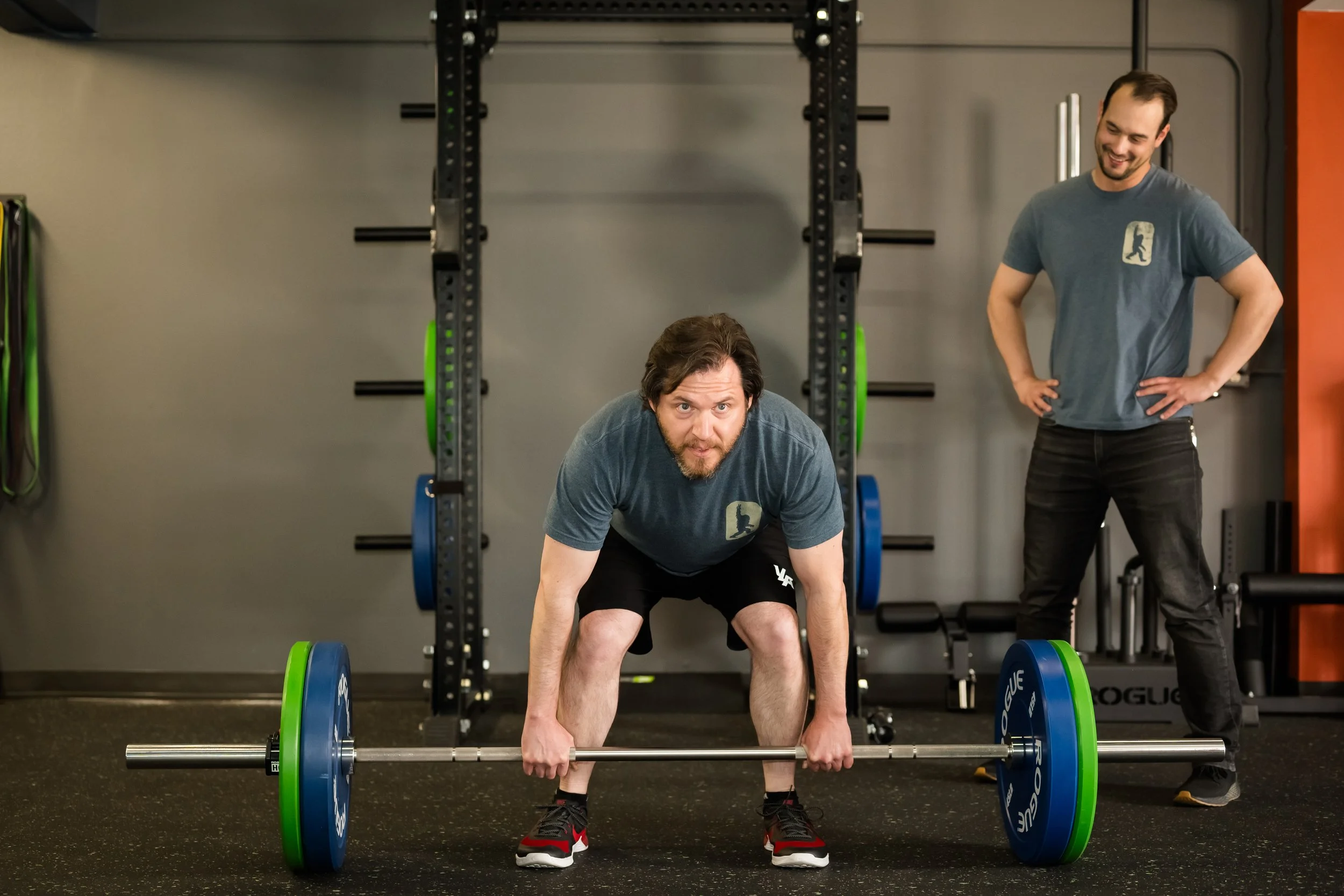

Back pain is one of the most common injuries in the US, affecting 80% of people in their lifetime and 26% of people in the US at any given time.
As performance physical therapists, we treat an awful lot of back pain at our clinic.
As a result, we prescribe and dose out deadlifts frequently. Deadlifts are and will forever be one of my favorite movements for not only back pain but the self advocacy and empowerment that comes with it.