

Ski & Snowboard Injury Physical Therapy in Denver
Get Back on the Mountain — Stronger Than Before
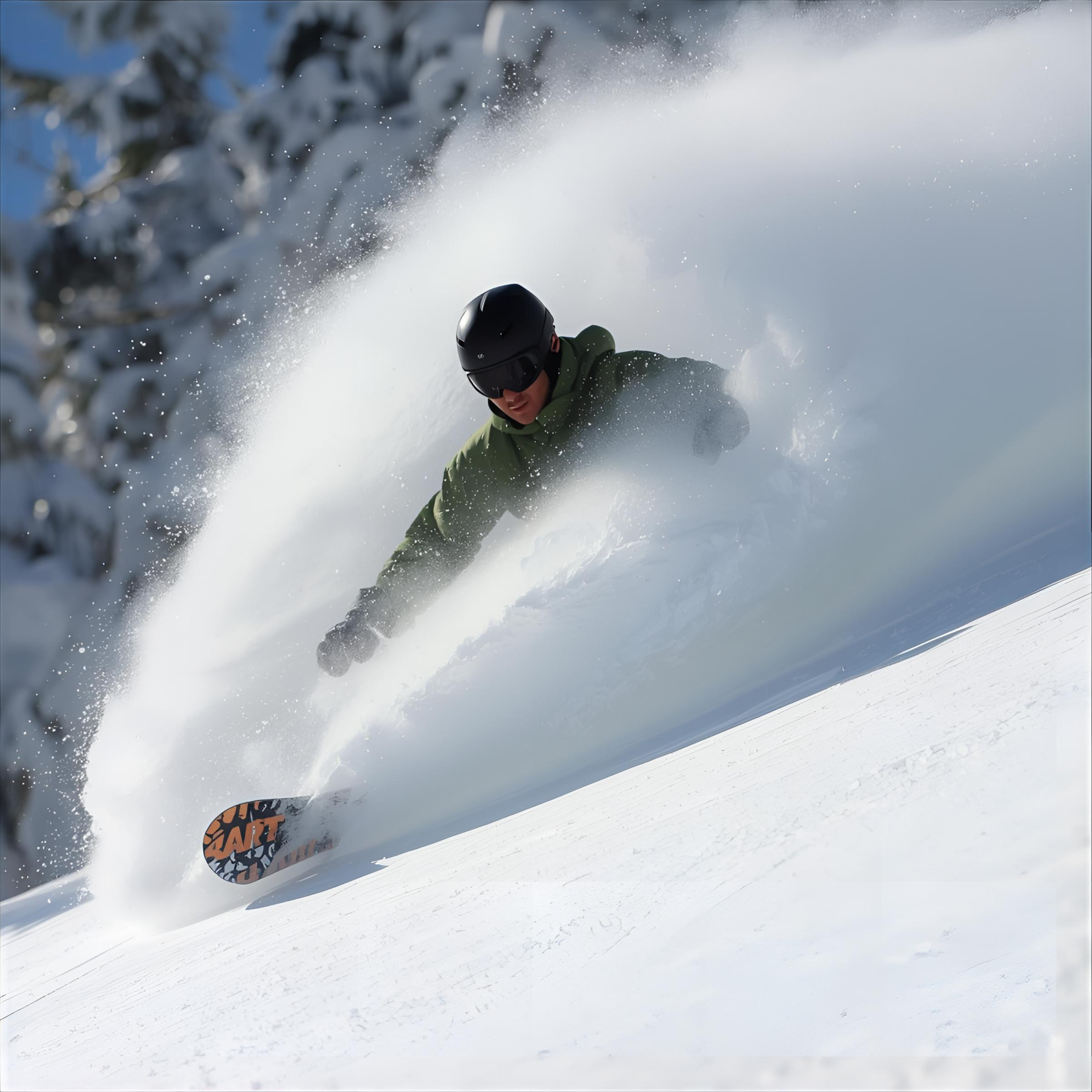
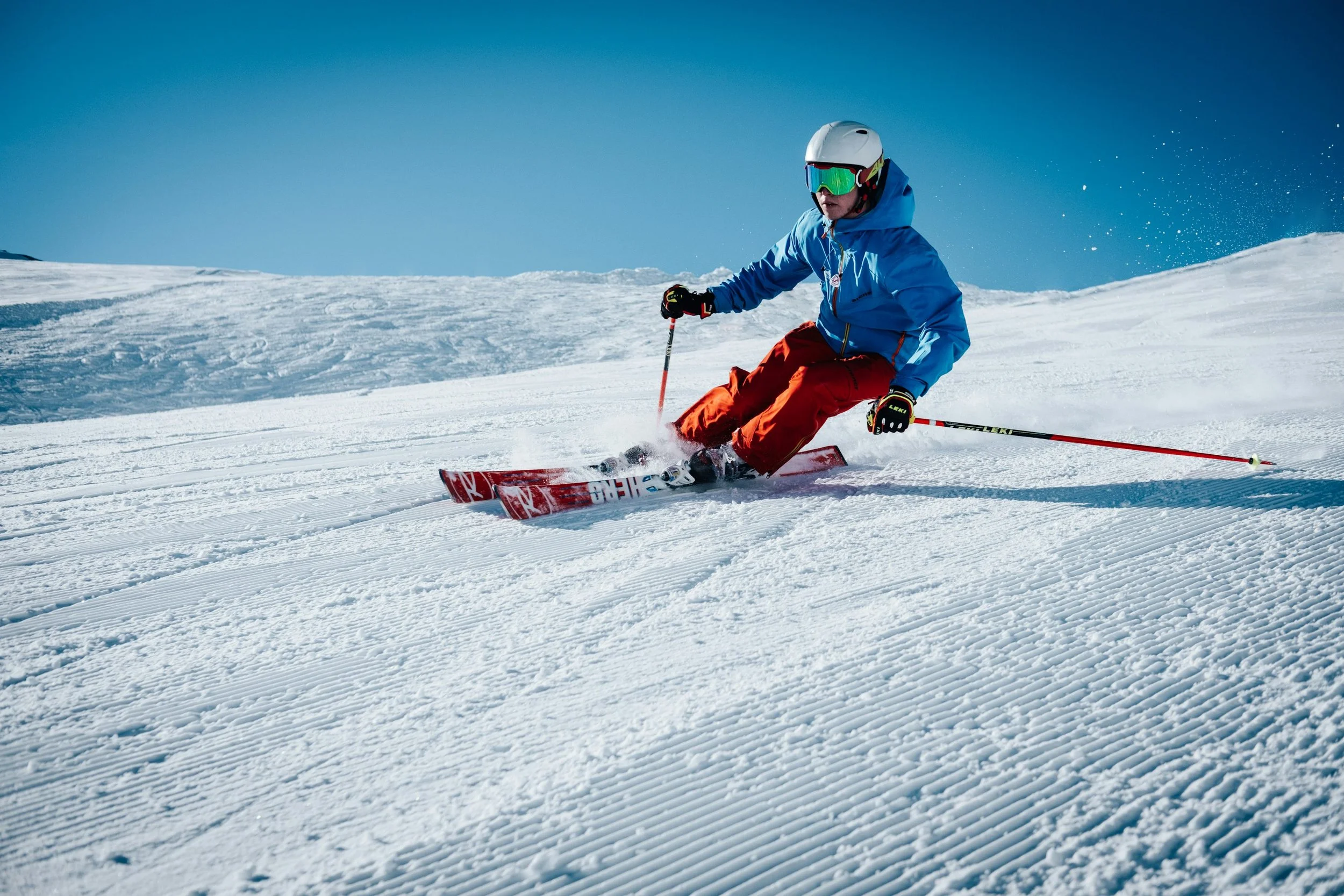
Colorado ski season doesn’t wait for injuries to heal on their own. Whether you caught an edge, took a fall in the park, or felt your knee give out on moguls, you need rehab that gets you back on the mountain.
At Tundra Performance and Physical Therapy, we treat skiers and snowboarders every season. We know the forces your body faces on the mountain, and we build rehab programs that get you back to full riding.
Back and Spine Injuries
Compression from jumps, awkward landings, and rotational falls can cause disc injuries, muscle strains, and SI joint dysfunction. We combine manual therapy with progressive loading to get your spine moving and tolerant of the forces skiing and snowboarding demand.
Common Ski & Snowboard Injuries We Treat
Knee Injuries
The knee takes the brunt of ski and snowboard falls. ACL tears, MCL sprains, meniscus tears, and patellofemoral pain are some of the most common injuries we see every winter. We treat the full spectrum — from acute sprains that need early management to post-surgical ACL reconstructions that need a comprehensive return-to-sport program.
Shoulder Injuries
Falls on outstretched hands and direct impacts cause shoulder dislocations, AC joint sprains, rotator cuff tears, and labral injuries. Snowboarders are particularly vulnerable. We address range of motion, stability, and upper body strength so you can trust your shoulder on the next fall.
Wrist and Hand Injuries
Snowboarder’s wrist (scaphoid fractures and TFCC sprains) and skier’s thumb (UCL injuries from pole straps) are classic winter sports injuries. Post-cast or post-surgical rehab focuses on restoring grip strength, wrist mobility, and functional use.
Our Approach to Winter Sports Rehab
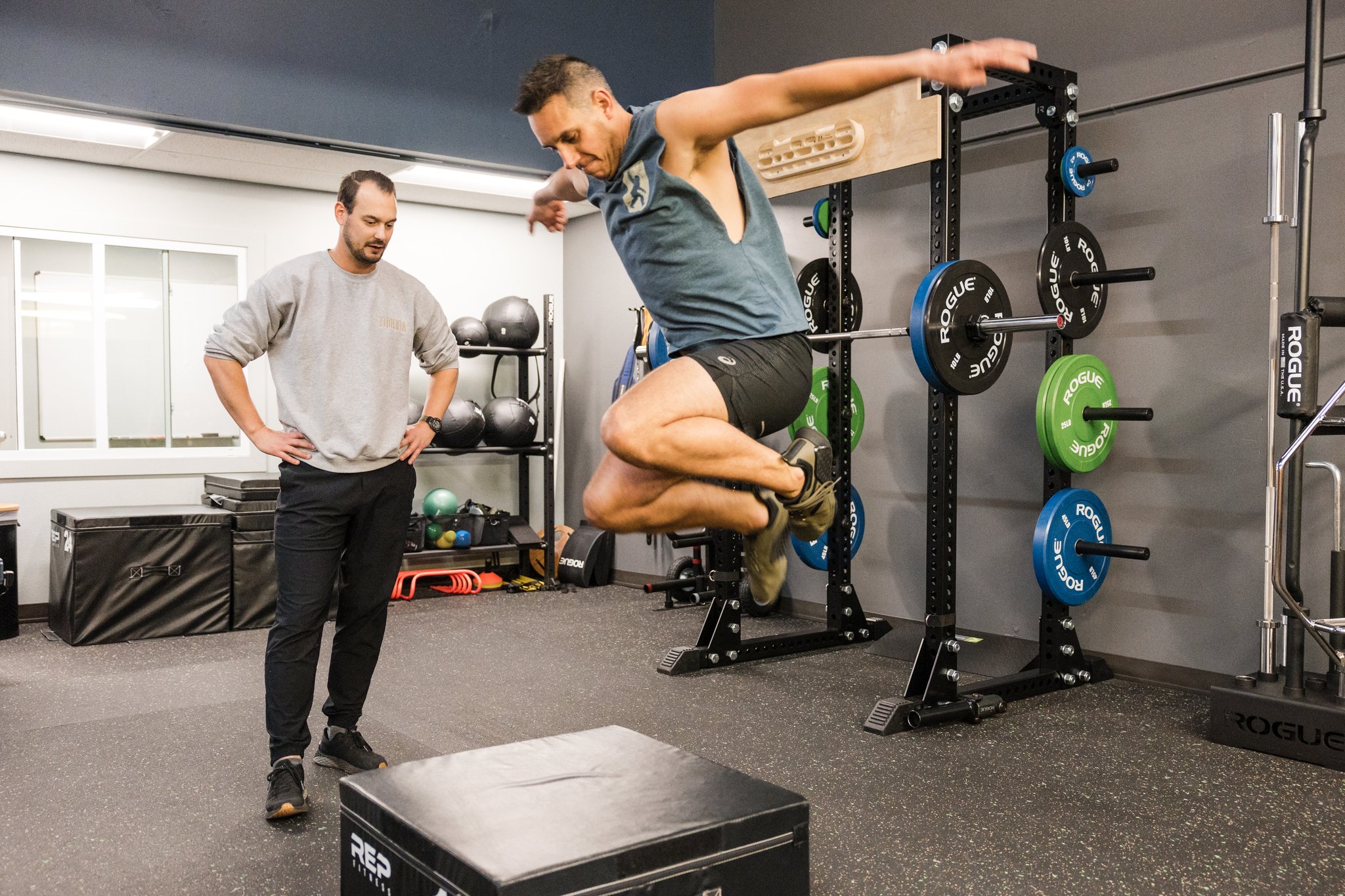
Ski and snowboard rehab isn’t the same as general physical therapy. Your body needs to handle rotational forces, absorb variable terrain, and react quickly at speed. We build programs that account for these demands.
-
We evaluate the movement patterns that matter for your sport, not just isolated joint range of motion.
-
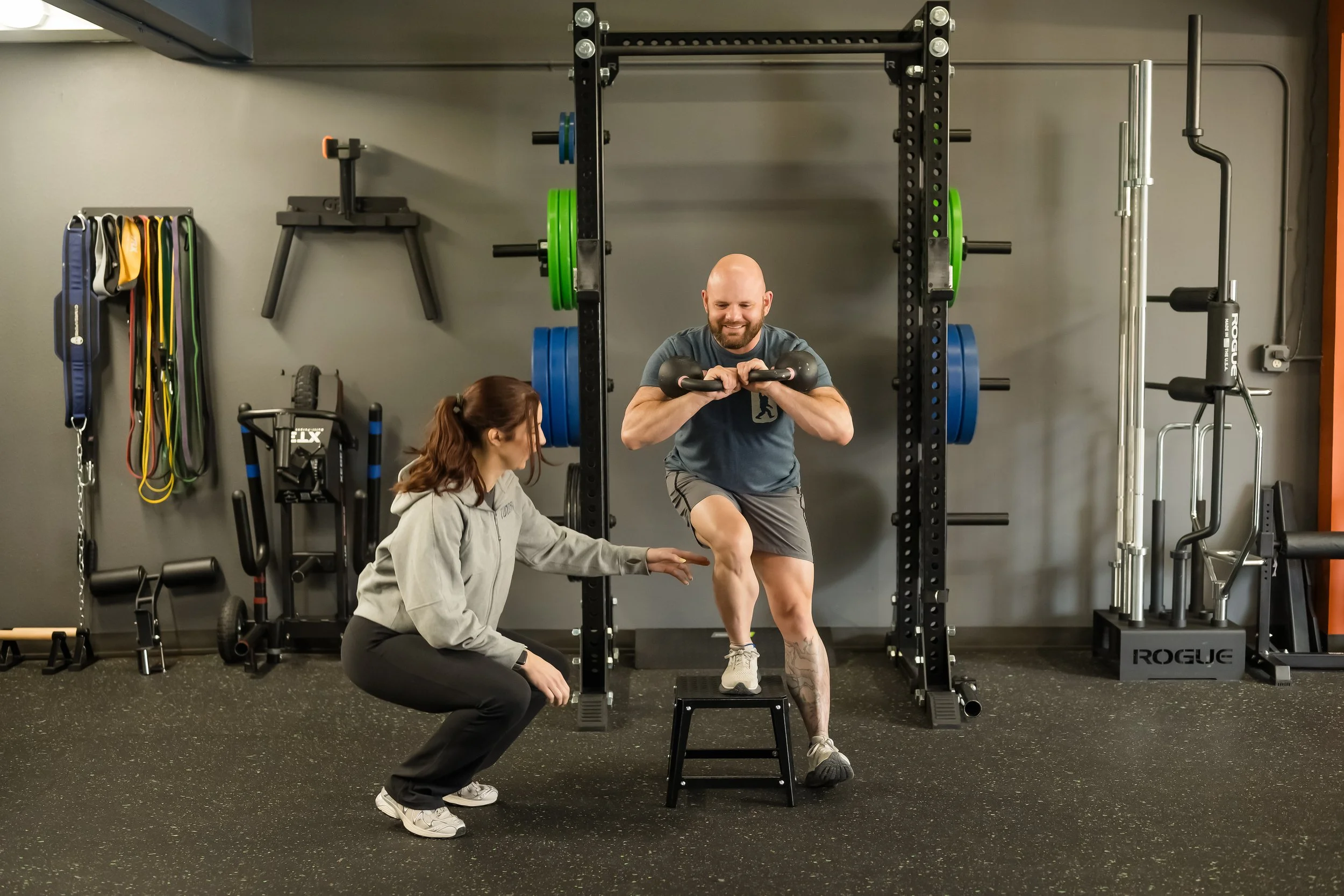
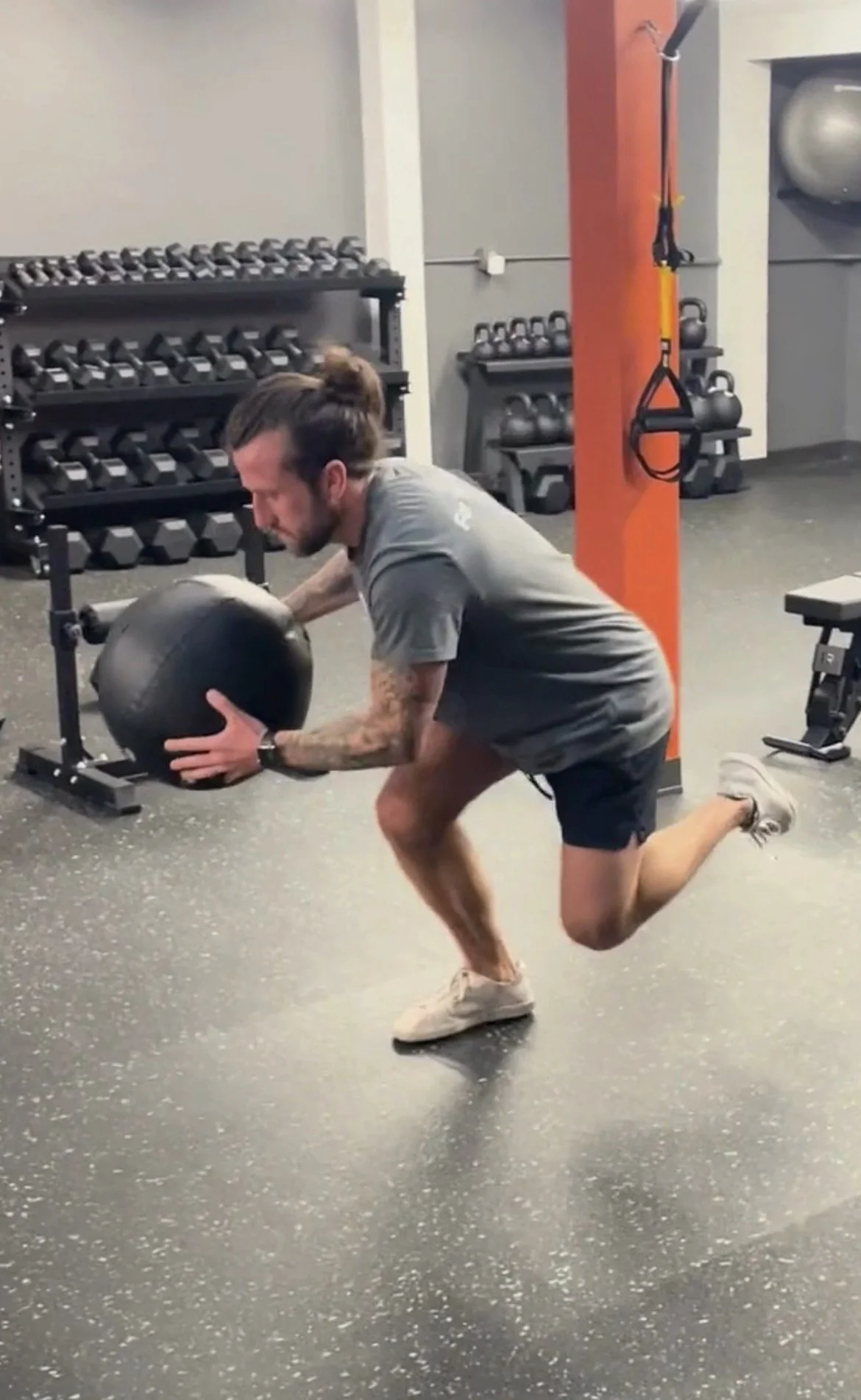
Squats, lunges, deadlifts, and single-leg work form the foundation. We build the strength your knees, hips, and core need to handle the mountain.
-
Variable surfaces, reactive drills, and single-leg stability work prepare you for the unpredictability of snow conditions.
-
We don’t just clear you for “activity.” We progress you through on-snow readiness benchmarks so you can ride with confidence.
Timing Matters
If you’re injured during ski season and want to get back on the mountain better than ever, early intervention makes a huge difference. Even a few weeks of targeted rehab can be the difference between sitting out the rest of the season and getting in a few more days.
If your injury requires surgery, starting prehab before your procedure improves post-op outcomes and accelerates your timeline for next season.
Why Denver Athletes Choose Tundra Performance
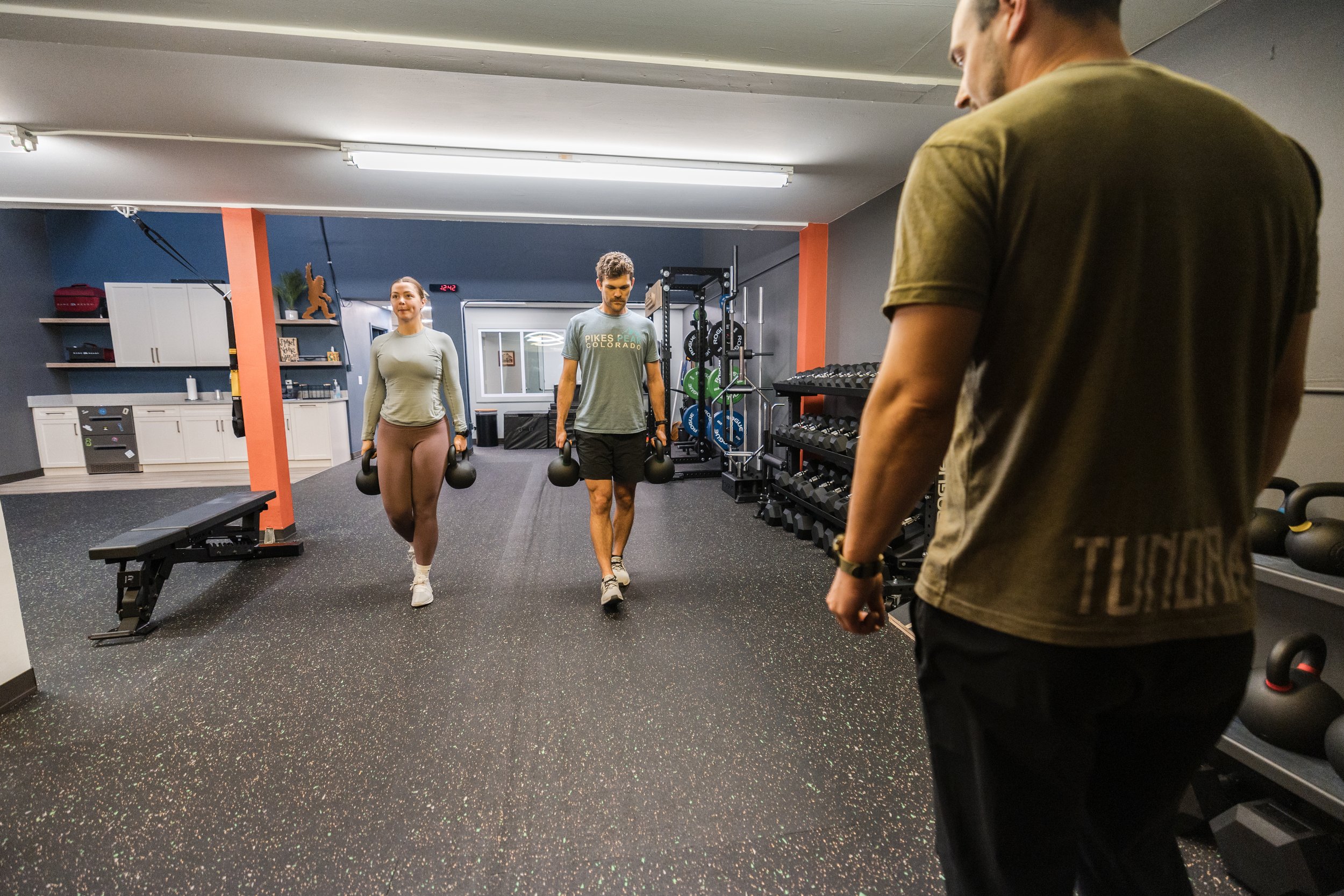
We’re skiers and snowboarders ourselves. We understand what it means to miss a powder day or sit out while your friends head to the mountains. Every session is 1-on-1 with a Doctor of Physical Therapy, and our rehab goes beyond pain relief into real performance and strength.
“With 3 ACL tears, I’ve worked with a few PTs. I can say with confidence that Josh is by far the best out there. He tailors his program to align with the priorities of his clients, offers realistic expectations, and gives honest, effective, feedback. He’s gotten me back where I need to be, just in time to be chasing pow all ski season!”
— Matt F, SKier
Frequently Asked Questions
-
It depends on the injury. Minor sprains may resolve in 2–4 weeks with proper treatment. ACL reconstructions typically take 9–12 months. We’ll give you a realistic timeline based on your specific injury and goals.
-
Both. If surgery is likely, prehab before your procedure improves outcomes. If you’re not sure whether you need surgery, a PT evaluation can help you understand your options.
-
Absolutely. Backcountry athletes face unique demands — longer days, variable terrain, and the added cardiovascular load of skinning uphill. We account for all of it in your rehab plan.


Skiers and ACL ruptures go together like peanut butter and jelly. Knee and anterior cruciate ligament (ACL) related injuries account for nearly 1/3 of all alpine related injuries. Add in MCL, LCL, and meniscus related injuries, and things start to add up. I’m here to tell you, it’s not a death sentence and doesn’t mean the end to your skiing career. Let me introduce you to one of our patients Matt.