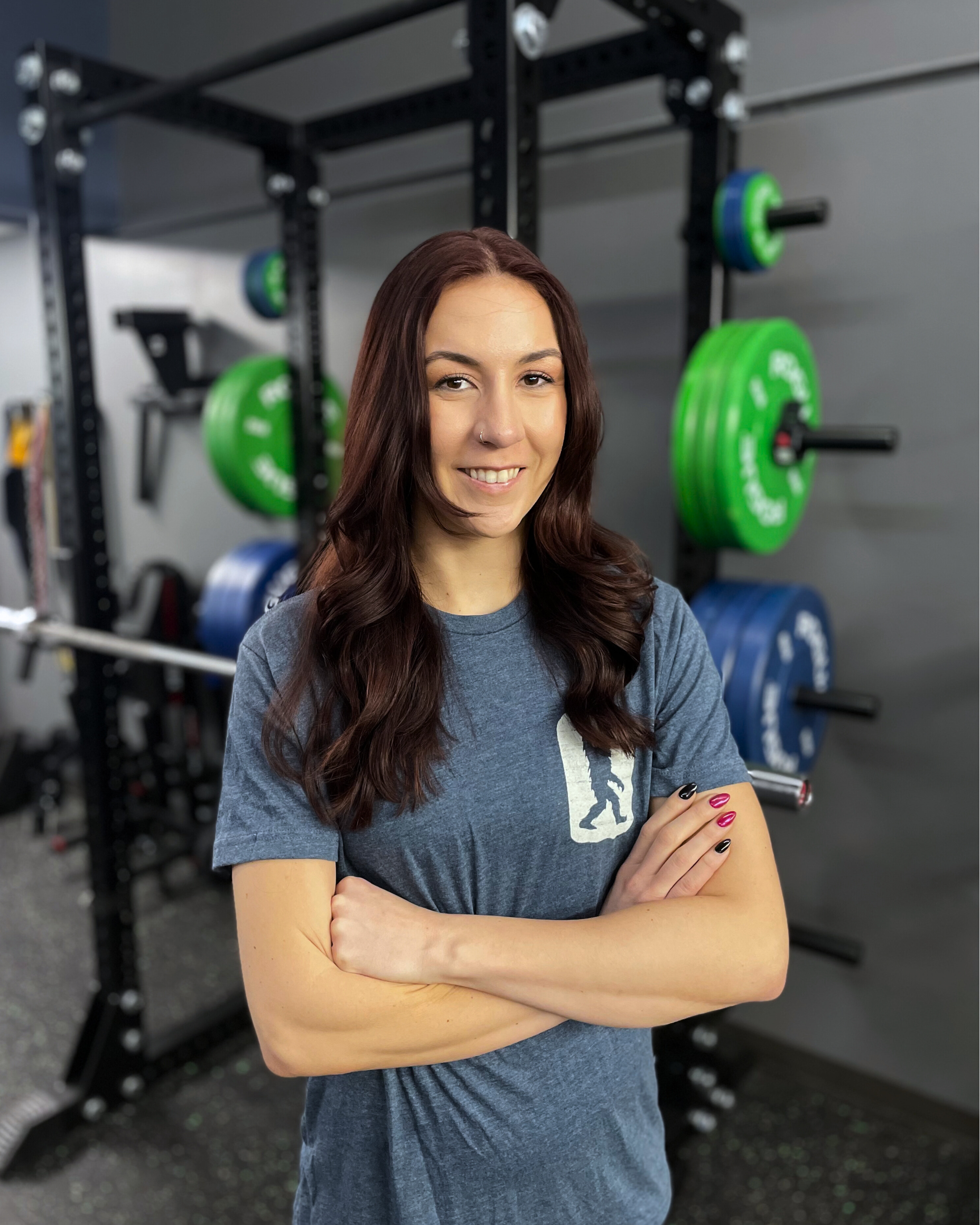
I had a discussion with one of my clients a few weeks ago that meant a lot to me. She was one of my first clients at Tundra, and since I started working with her, I’ve looked forward to her sessions every week.
A Different Kind of Goal
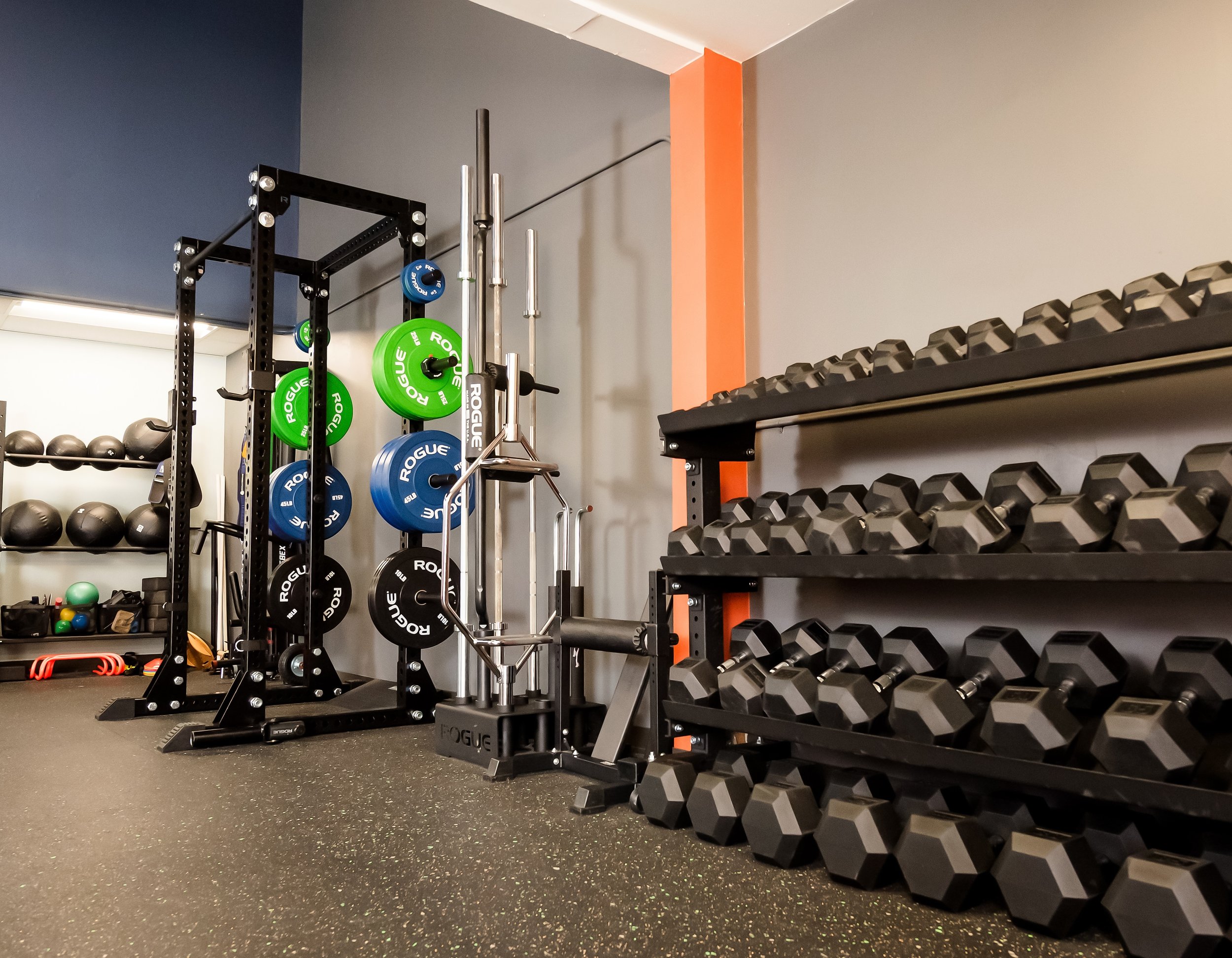
When we first started working together, I had to rethink how I typically structured my sessions. She didn’t come to me with one specific injury or area of pain. She had been diagnosed with osteoporosis and wanted to focus on improving her bone density through strength training, without medication.
At the time, her most recent DEXA scan was a few years old and showed T-scores well into the osteoporotic range. A few weeks ago, she had a repeat scan. Although her scores are still classified as osteoporosis, they showed significant improvements. In fact, she was just one point away from moving out of the osteoporosis category.
This progress followed a consistent routine of strength training with me once a week, along with a home exercise program I developed for her.
I knew that simply giving her a handful of random exercises each week wasn't going to provide the stimulus needed to create the changes we were working toward.
Programming with PURPOSE
I had to build intentional programming that checked off specific boxes each time, with the ability to be progressed consistently over time, and kept things interesting and engaging.
There are a few non-negotiables I always include with her, with the specific intention of driving changes in bone density. The most at-risk areas for fracture in people with osteoporosis are the spine, the forearms, and the hips, as these are the parts we use to catch ourselves from a fall.
Every week, I incorporate the following:
Heavy hinging and squatting to load the spine and hips
Loaded carries and presses to develop grip strength and load the forearms
Jumping and medicine ball throws, which not only contribute to stimulating bone growth, but also develop skills including reactivity, coordination, and force transfer, which can reduce the risk of serious injury as a result of falls.
I've helped many people recover from pain and injuries and return to the activities they love. That has always been one of the most rewarding parts of my job and a big reason why I love what I do. However, I hadn't fully considered that my skills could be applied in this way. Seeing objective improvements in her bone density gave me a different perspective on the impact of my work. Beyond helping her get stronger, our work together also contributes to reducing her risk of falls and fractures, and supporting her long-term health and independence.
Moving Beyond the Traditional PT Model
Coming from an in-network physical therapy setting, where I worked with patients for 20–30 minutes at a time with the specific goal of improving pain in one particular body part, this approach was initially a foreign concept. The idea of spending a full hour with someone, with the primary objective of getting them stronger and improving their overall health, was very different from the model of care I had become accustomed to.
The traditional physical therapy system doesn't always provide an avenue for this type of care, either for providers or patients. Treatment is often centered around a specific injury, diagnosis, or limitation, rather than taking a more comprehensive approach to someone's long-term health and physical capabilities.
Since then, I've had the opportunity to work with several other clients who have similar goals. These clients are all older adults with various “physical therapy considerations,” including surgical histories, recurring pain, and past injuries that continue to cause limitations. However, they're not necessarily coming to me for physical therapy in the traditional sense. They're coming because they want to get stronger, improve their overall health, and continue living their lives without having to give up certain activities, slow down, or constantly worry about getting injured.
Working with these clients has been an incredibly rewarding experience because it has challenged me to apply my skills in a different way. I've learned how to make strength training more accessible to people who may not otherwise know where to start, or who have physical limitations that make navigating a traditional gym setting difficult.
I still get to help people recover from injuries and manage pain, but I also get to help them build strength, develop confidence in their physical abilities, and maintain their independence.
What Physical Therapy Can Be
This experience has changed the way I think about what physical therapy can accomplish. I used to view my role primarily as helping people get back to where they were before an injury. Now, I see just as much value in helping people build the strength and physical capacity to keep doing the things they love, prevent future limitations, and maintain their quality of life as they get older. Physical therapy doesn't have to start when something goes wrong, and it doesn't have to end when the pain goes away. Sometimes, the most meaningful work we can do is help people become stronger, healthier, and more capable for the years ahead.
I'm incredibly grateful for my role at Tundra and for the opportunity to serve people in ways that extend beyond what we traditionally think of as physical therapy. It's given me the opportunity to see just how much of an impact our skills can have on someone's overall health, strength, and quality of life.
And a shoutout to my clients who come hang out with me every week! They're the ones putting in the hard work, showing up consistently, and making the progress that gives me something to write about. I'm grateful to be a small part of their journeys!
Helping athletes RESOLVE THEIR PAIN by CLEARLY DEFINING THE PROBLEM and IMPLEMENTING EFFECTIVE SOLUTIONS to get them back doing the activities they love!
If you are currently struggling with an injury or unable to perform in the activities you enjoy. Please follow the link to schedule a consultation call to discuss how we can help you.