

Shoulder Injury Physical Therapy in Denver
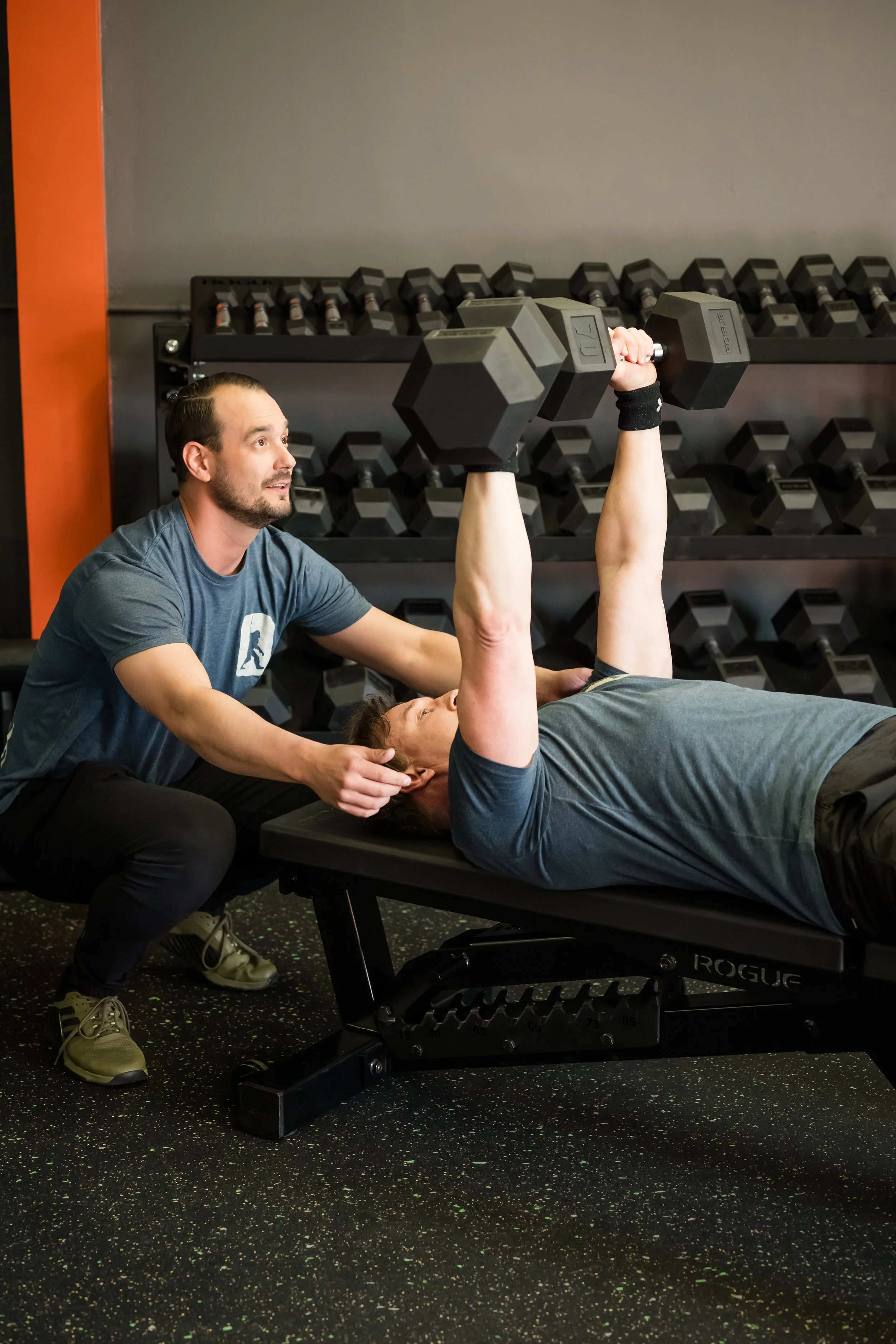
Your Shoulder Shouldn’t Hold You Back
Whether you’re a climber who can’t trust your lock off, a lifter who winces on overhead press, or a weekend warrior dealing with nagging shoulder pain — you need rehab that understands what your shoulder actually has to do, not just how to make it stop hurting.
At Tundra Performance and Physical Therapy, we treat shoulder injuries in athletes who need more than rest and gentle stretching. We build your shoulder back to handle the demands of your sport — climbing, pressing, throwing, swimming, or whatever drives you.
AC Joint Sprains
Common in falls (cycling, skiing, snowboarding) and direct contact. AC joint injuries range from mild sprains to complete separations. We manage the early inflammation and progressively load the joint to get you back to pushing, pulling, and reaching overhead.
Shoulder Dislocations and Instability
First-time dislocations and recurrent instability require targeted rehab to restore dynamic stability. For athletes in contact sports, climbing, or overhead activities, we focus on building the neuromuscular control and strength to keep the shoulder in place under load.
Common Shoulder Injuries We Treat
Rotator Cuff Injuries
Rotator cuff tendinitis, tendinopathy, and partial or full-thickness tears are extremely common in overhead athletes and lifters. We address the underlying movement dysfunction and progressively rebuild strength through the full range of motion your sport demands.
Labral Tears (SLAP and Bankart Lesions)
The labrum stabilizes your shoulder joint, and tears are common in climbers, CrossFit athletes, and overhead sport athletes. Whether you’re managing conservatively or recovering from surgical repair, we build stability and confidence through progressive loading.
Shoulder Impingement and Subacromial Pain
That pinching feeling when you raise your arm isn’t something you should just push through. Impingement often stems from scapular dyskinesis, rotator cuff weakness, or thoracic mobility restrictions. We identify the root cause and fix it.
Post-Surgical Shoulder Rehab
Rotator cuff repairs, labral repairs, shoulder stabilization procedures, and clavicle fracture fixations all require specific post-operative protocols. We work collaboratively with your physician and push the pace when your healing supports it.
Our Approach to Shoulder Rehab
The shoulder is the most mobile joint in your body, which means rehab requires precision. We don’t just give you band exercises and send you home.
-
Soft tissue mobilization, joint mobilization, and dry needling to address restrictions and reduce pain.
-
The shoulder blade is the foundation. If it’s not moving well, everything downstream suffers. We train the scap to do its job.
-
From isometrics through full-range loaded movements. Overhead pressing, pulling, carrying — we build your shoulder to handle what your sport requires.
-
Hangboard progressions for climbers (including grip recommendations and route considerations), overhead lifting progressions for lifters, throwing programs for field athletes. We don’t clear you for “activity” — we clear you for your activity.
Who Comes to Us for Shoulder Injuries
Rock climbers — Shoulder injuries are one of the top reasons climbers miss time. We understand climbing-specific demands and train accordingly.
CrossFit and Olympic lifting athletes — Overhead squats, snatches, kipping — these demand shoulder health. We get you back under the bar.
Swimmers — Repetitive overhead motion creates unique shoulder stress. We address the endurance and stability components.
Cyclists and mountain bikers — Post-crash shoulder injuries need rehab that accounts for the sustained positions and impacts of riding.
Weekend warriors — Rec league softball, pickup basketball, or just reaching for something overhead — your shoulder matters regardless of your level.
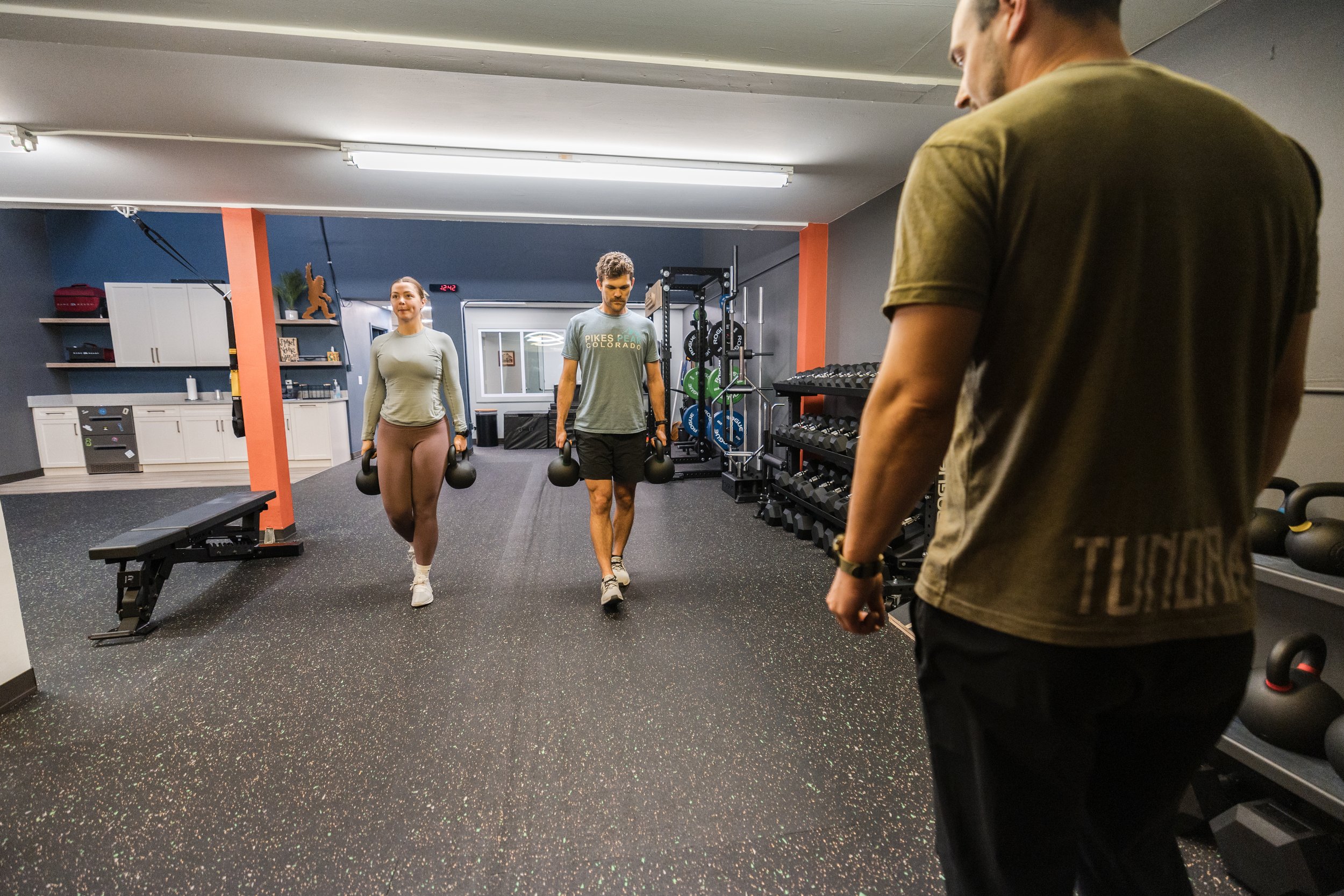

Why Denver Athletes Choose Tundra Performance
We’re athletes ourselves. We understand what it means to miss out on what you enjoy. Every session is 1-on-1 with a Doctor of Physical Therapy, and our rehab goes beyond pain relief into real performance and strength.
“Highly recommend Tundra, especially for athletes/folks trying to perform a sport at a high level. I came to Josh for climbing-related, persistent shoulder pain, and he diagnosed my issue quickly, and in just a few sessions had given me exercises to address the issue and resolve the pain. I would absolutely go see him again for any other PT needs.”
— Hannah L, CLIMBER
Frequently Asked Questions
-
It varies widely. Impingement and tendinopathy often improve significantly in 6–8 weeks. Post-surgical rehab can take 4–6 months depending on the procedure. We’ll give you a realistic timeline at your first visit.
-
Not always. We can often diagnose and begin treating based on our clinical exam. If imaging would change the treatment plan, we can order it directly — in Colorado, physical therapists can order imaging and you can see a PT without a doctor’s referral.
-
In most cases, yes — with modifications. We adjust your training to stay active while protecting the injured structures. The goal is to keep you moving.


Lower body injuries get a lot of attention in the world of outdoor sports, and as they should. They compromise a fair portion of the injuries we treat and the consequences of these lower extremity injuries tend to be quite significant. However, today we’re diving into an injury that I believe doesn’t enough love due to how it flys under the radar in rehab.